Catastrophic Nepal, Tibet flood death toll soars as 25 Canadians still missing
Catastrophic flash floods in a border area of Nepal and Tibet, an autonomous region of China, have killed at least 353 and left more than 1,300 people missing as of Thursday.
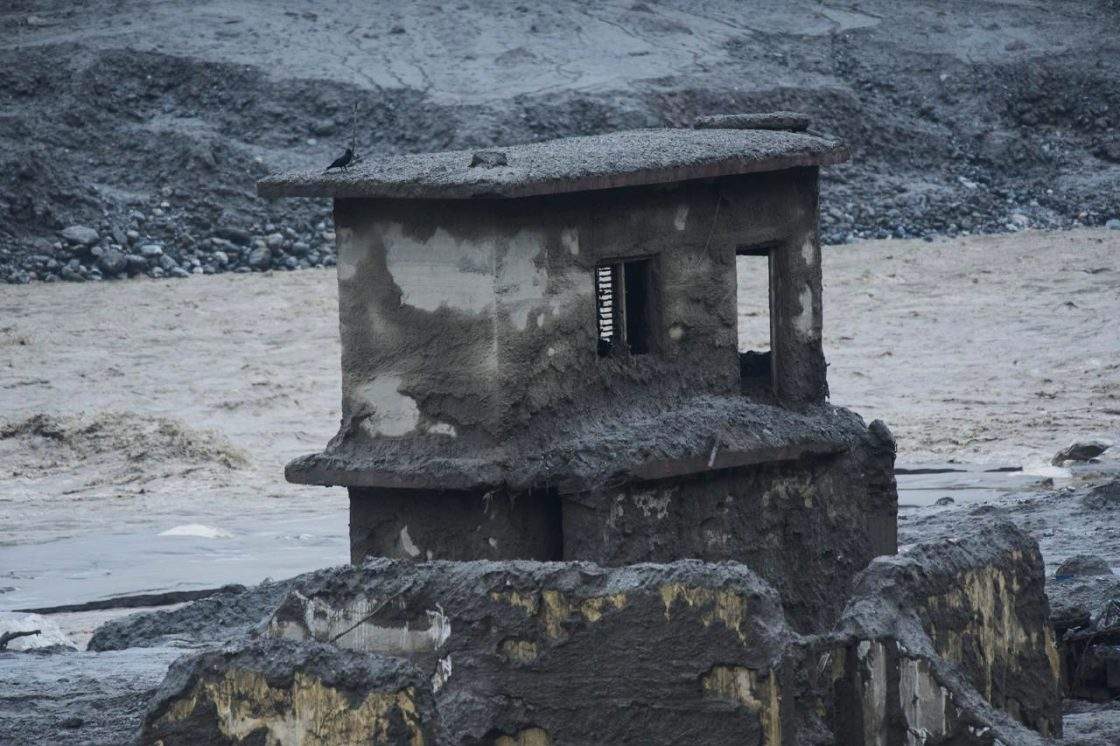
On Wednesday, the death toll from catastrophic flash floods in Nepal and Tibet rose to at least 390, with more than 1,400 people missing, including 25 Canadians still unaccounted for. The floods impacted a border region between Nepal and China's autonomous Tibet region, primarily affecting foreigners who were trekking, on guided tours, or on a pilgrimage to a Hindu sacred site.
In response to the disaster, Global Affairs Canada has deployed five additional consular officials to Kathmandu to assist Canadians and coordinate with local authorities and partners. They are also collaborating with international partners and allies who have citizens in the region.
As of Thursday evening, 858 Canadians were registered in Nepal, and 18 in Tibet, through the department's Canadians abroad registry system. However, this number may not accurately reflect the true count, as registration is voluntary. Both numbers had slightly increased from Wednesday.
The floods have claimed at least 389 lives and left more than 460 injured in Nepal, while China reported at least three deaths and 558 missing, including 260 foreigners. Indian officials stated that 288 Indian nationals remain uncontactable, including 73 working on a power project.
Across various countries, numerous citizens are among the missing, including 65 from the United States, 33 from the U.K., nine from South Korea, eight from Singapore, six from South Africa, and so on. Prime Minister Sanae Takaichi of Japan expressed concern over five Japanese nationals reported missing, while five New Zealanders and four French citizens are also missing.
Written by urgent.news from Global News's reporting — not their text. Machine-written — may contain errors; check the original before relying on it.
This story
This is one outlet's version. Read the fullest account.
- Nepal flash flood: Disaster in a geological battleground zone france24.com
- 55 Ukrainian citizens reported missing following flood and landslide in Nepal – Foreign Ministry en.interfax.com.ua
- Nepal flood disaster: 353 killed, 1,300 missing israelnationalnews.com
- Rescue efforts underway after flash flood in Nepal kills over 160 mainichi.jp
- Catastrophic Nepal, Tibet flood death toll soars as 25 Canadians still missing globalnews.ca
- VIDEO | ‘I am so grateful’: Terricia Govender’s birthday video before Nepal flood disappearance iol.co.za
- Israeli among hundreds still missing in Nepal after catastrophic flood, death toll nears 300 jpost.com
- A terrifying roar, then came the fury of the flood: How disaster unfolded in Nepal theage.com.au