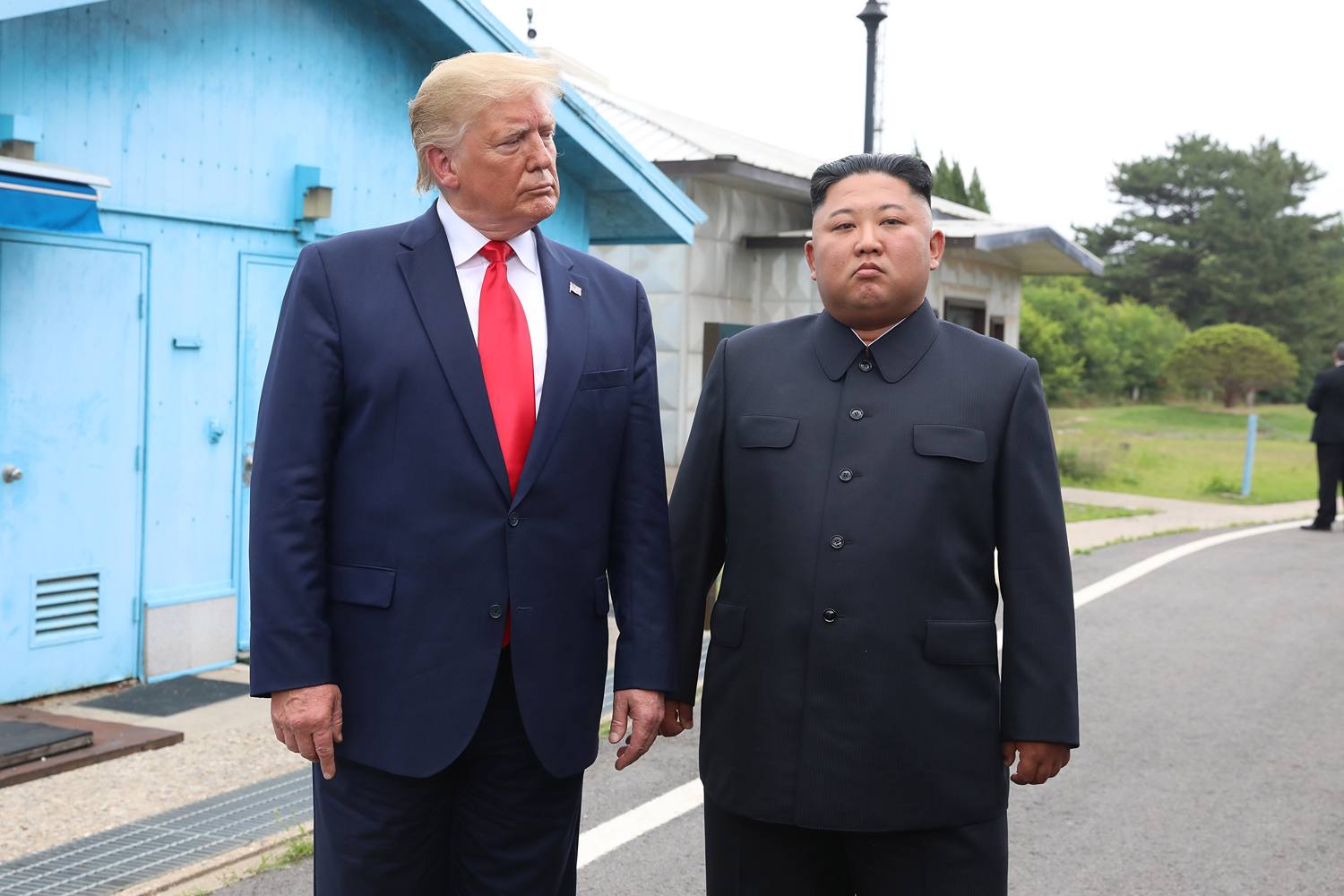
As U.S. goals shift after 6 months of Iran war, Strait of Hormuz is now a top concern
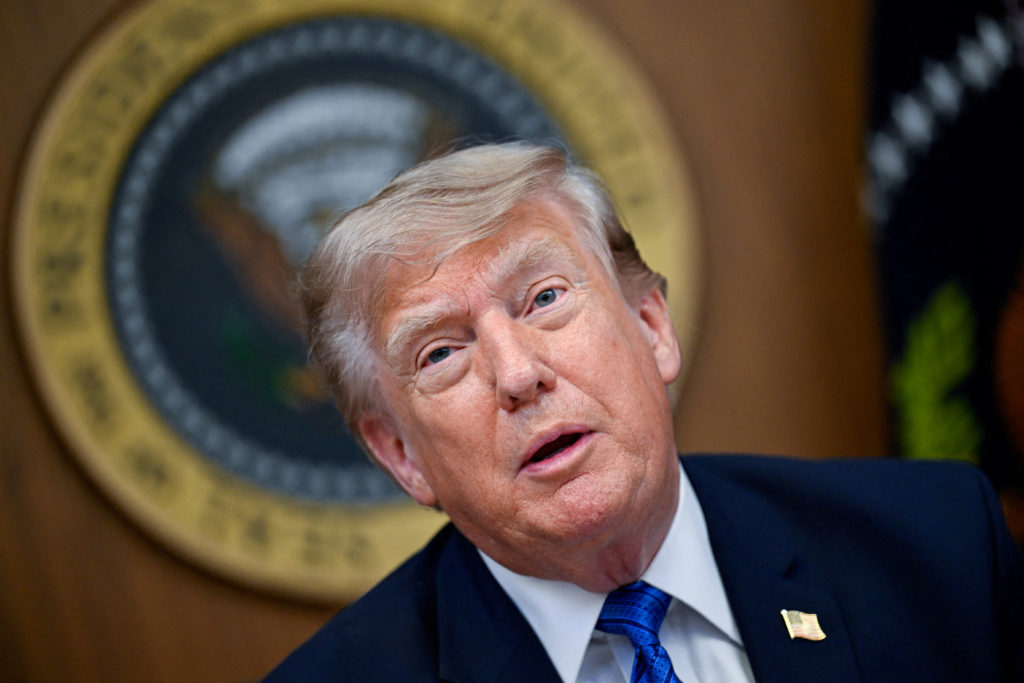
There still is no off-ramp in sight despite President Donald Trump's repeated assertions that the war has been won or a deal to resolve it was nearly complete.
Qatar's prime minister and foreign minister, Sheikh Mohammed bin Abdulrahman bin Jassim Al Thani, met with Iran's Foreign Minister Abbas Araghchi in Tehran to discuss critical matters, including the future of the Strait of Hormuz. The talks aimed to address a proposed framework that includes establishing a temporary shipping corridor through the Strait of Hormuz and a potential joint project to clear the strait of mines laid during the war.
Both ministers reviewed recent regional developments and efforts to reduce tensions, with the ultimate goal of facilitating dialogue and enhancing regional security and stability.
Following the meeting, Sheikh Mohammed separately spoke with Iranian President Masoud Pezeshkian and Speaker Mohammad Bagher Ghalibaf. Ghalibaf highlighted the importance of de-escalating regional tensions and exchanged views on current developments in the region to pave the way for resuming dialogue. Sheikh Mohammed expressed Qatar's belief that dialogue and diplomatic solutions are the best way to address disputes and overcome crises, emphasizing the importance of respecting freedom of navigation in the Strait of Hormuz in line with international law.
In a separate meeting with Iran's security chief, Mohsen Rezai, Sheikh Mohammed was informed that Iran requires the US to take practical steps to meet Iran's conditions before opening the Strait of Hormuz. Rezai also reiterated Iran's stance that if the US engages in hostile actions, Iran would respond with disaster to its military and economic interests.
The visit by Sheikh Mohammed follows a week of intense diplomacy in Iran, involving separate meetings with Oman's Foreign Minister Badr Albusaidi and senior Pakistani officials, all with the aim of ending the US-Israel war on Iran and reopening the strategic waterway, which accounts for about 20 percent of the world's oil supply during peacetime.
Written by urgent.news from The Island Sri Lanka's reporting — not their text. Machine-written — may contain errors; check the original before relying on it.
This story
This is one outlet's version. Read the fullest account.
- Trump shuts the door on Iran deal: Hormuz diplomacy hits a wall gulfnews.com
- Qatar pushes Iran talks as Hormuz reopening takes focus dailytimes.com.pk
- Iran, Qatar hold Hormuz talks amid int’l hopes dialogue with US will resume island.lk
- Going all in on sanctions, Trump limits how much he can squeeze out of Iran timesofisrael.com
- US clears Strait of Hormuz as 50,000 troops maintain blockade of Iran, CENTCOM chief says jpost.com
- Trump touts "very big victory" in Iran but says the war "will continue for as long as necessary" cbsnews.com
- ‘Netanyahu has panicked Trump’: Iran security chief denies plot to kill US President's son Barron Trump hindustantimes.com
- Iran says it will name its terms for reopening Strait of Hormuz aljazeera.com