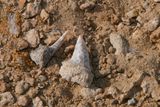
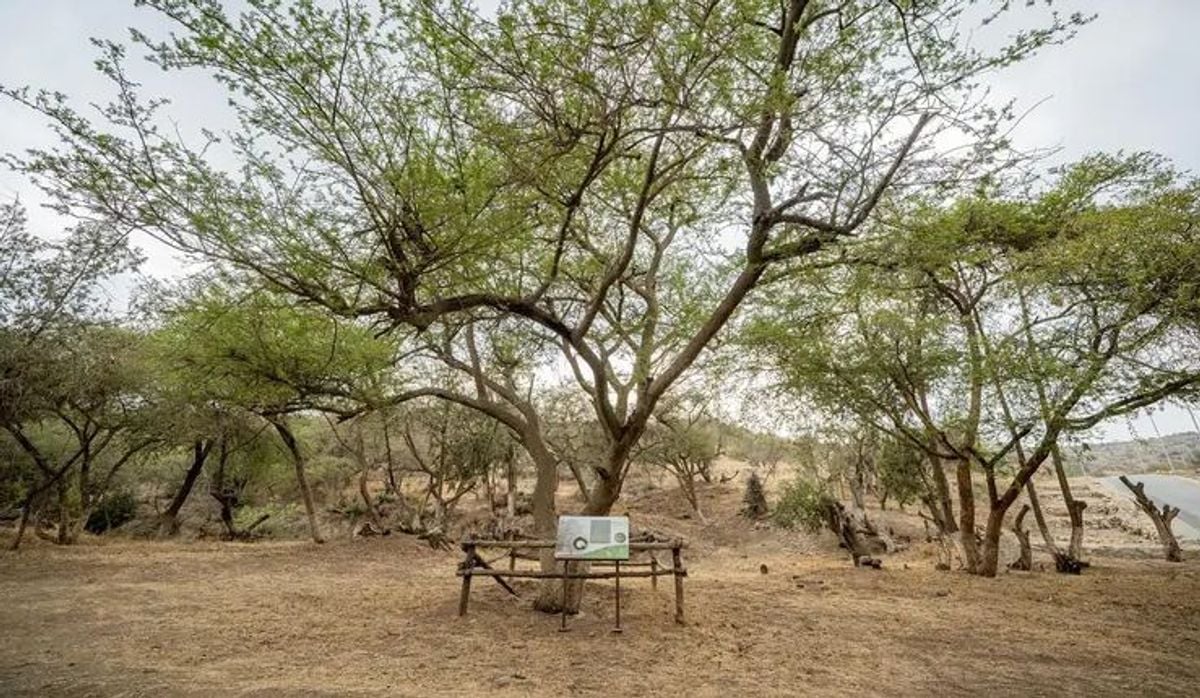
We discovered rare dinosaur tracks from the Coniacian age near Tumbler Ridge, British Columbia
Imagine the Western Plains of North America, from Texas to Alaska, submerged under a broad, shallow seaway. To the west lay the ancestral Rocky Mountains. To the east were low-lying plains traversed by large, sluggish rivers.

In the remote wilderness of Tumbler Ridge, northeastern British Columbia, researchers have unearthed rare dinosaur tracks from the Coniacian age, a substage within the Cretaceous period roughly 89.75–86.5 million years ago. These tracks, first observed in 1988 by geologist Guy Plint, remained undiscovered for decades due to the area's inaccessibility. However, a 2022 joint expedition allowed scientists to conduct a thorough investigation and publish their findings in Historical Biology.
North America during the mid-Cretaceous boasted vast shallow seas, ancestral Rocky Mountains, and low-lying plains, characterized by warm temperatures and lack of polar ice caps. This era saw an abundance of dinosaur activity, with many tracks preserved in terrestrial sediments that built deltas and coastal plains along the western margins of the Interior Seaway.
Coniacian rocks in western Canada are predominantly marine, except for the unique Tumbler Ridge region where a delta protruded into the seaway, leaving behind ancient delta deposits known as the Marshybank Formation.
The Marshybank Formation, crucially, contains terrestrial strata with preserved dinosaur tracks. Apart from the newly discovered Coniacian-age tracks, the area has yielded fossils of other terrestrial and aquatic vertebrates, including crocodiles, birds, pterosaurs, and various dinosaur species. The delta's landscape featured shallow lakes, mires, and floodplains with dense vegetation dominated by conifers, alongside dinosaur activity.
The common footprints discovered are those of herbivorous ornithopod dinosaurs, approximately 30–50 centimeters wide, often indicative of three broad, blunt toes typical of these large herbivores.
Additionally, the site features tracks of carnivorous theropods, characterized by three more elongated and pointed toes, suggesting a diet of meat. Some rare tracks display four or five indistinct digits, potentially belonging to ankylosaurian dinosaurs, known for their armored bodies. The variety of track types—predominantly ornithopod and theropod—aligns with similar findings in the contemporaneous Frontier Formation in Montana and the overlying Wapiti Formation, which dates back to 84 to 66 million years ago.
The flora of the Marshybank Formation includes a mix of gymnosperms such as conifers, cycads, and ginkgos, along with angiosperms, which include modern relatives like plane, poplar, and willow trees, plus shrubs and herbs. The rise of angiosperms, flowering plants, around 130 million years ago significantly impacted the dinosaur ecosystem by providing a more nutritious food source and faster-growing plants that could withstand the pressure of dinosaurs feeding on them.
This diversification of plant life played a crucial role in the proliferation and coexistence of herbivorous and carnivorous dinosaurs during the Coniacian period.
Written by urgent.news from Phys.org's reporting — not their text. Machine-written — may contain errors; check the original before relying on it.