The hidden cost of mental clutter at work—and how to clean it up
Ask almost any professional how they are doing and you will hear a version of the same answer: busy, overwhelmed, so ready for a vacation. If you look at their actual workload, however, the problem isn’t always the hours on the clock or the number of tasks assigned, but the lack of headspace to actually do the work. The real exhaustion comes from constant email anxiety, disrupted thinking through…
The hidden cost of mental clutter at work—and how to clean it up
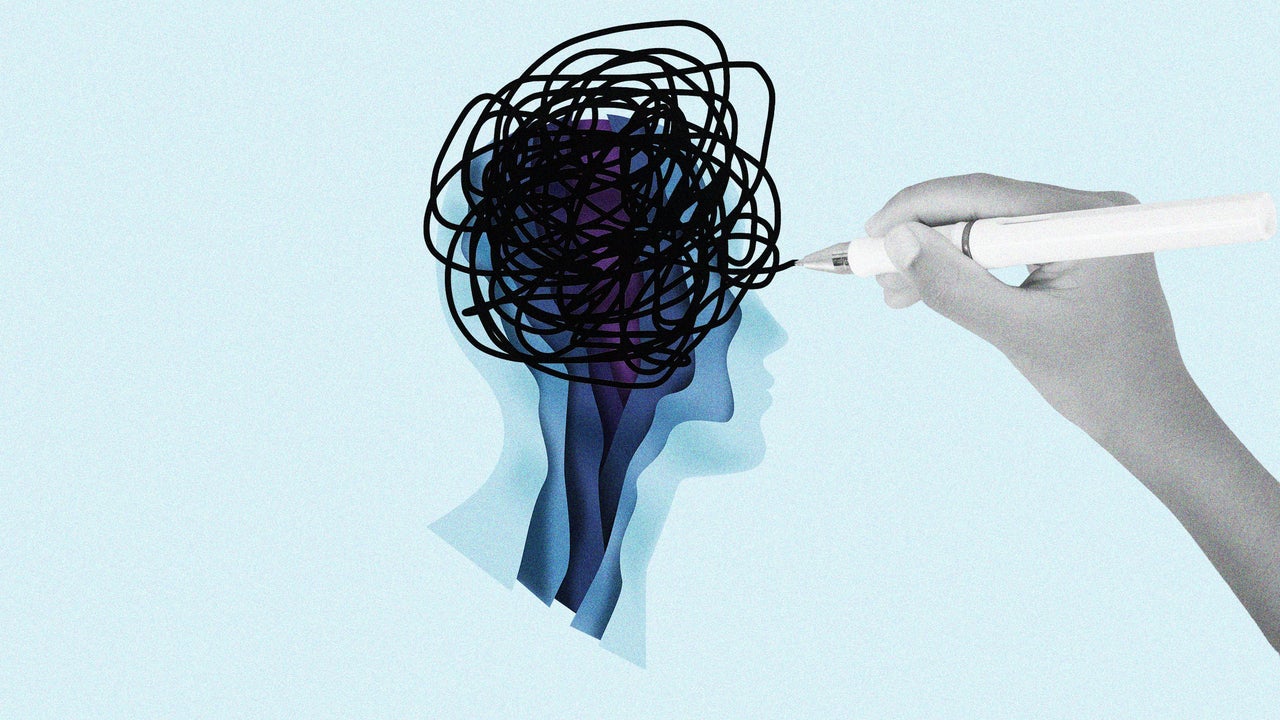
In today's work environment, professionals often describe themselves as busy and overwhelmed. The problem isn't necessarily the number of tasks assigned or the hours spent on them, but rather the internal mental clutter that hinders effectiveness. This mental clutter is not solely caused by workload or digital volume, but by several internal drivers.
One such driver is the constant pressure to be always available, even after work hours. This constant availability, whether real or perceived, leads to mental exhaustion as the expectation of responding keeps employees mentally exhausted. Another driver is working with ambiguity, which involves navigating team dynamics, restructuring, unclear priorities, or unstated expectations. This requires significant mental energy that detracts from actual job performance.
Inner dialog also plays a role in mental clutter. Valuable headspace is consumed by self-doubt, second-guessing decisions, worrying about past presentations, and carrying insecurities into high-stakes conversations. Additionally, the spillover of personal life demands, such as family responsibilities and non-work obligations, add to the internal cognitive load and interfere with professional focus.
The consequences of mental clutter extend beyond individual stress levels and affect organizational functioning. Degraded decision-making quality occurs when minds under constant internal noise experience fatigue, leading to superficial thinking and avoidance of important decisions. Reduced innovation is another result, as employees are interrupted every two minutes, leaving no mental space for strategic opportunities or novel solutions.
Moreover, high levels of internal anxiety from leaders create a reactive environment where team members feel compelled to match their frantic pace, impacting productivity, engagement, pride, and strategic clarity.
Written by urgent.news from Fast Company's reporting — not their text. Machine-written — may contain errors; check the original before relying on it.