Strong oyster reefs start with genetic diversity
The European flat oyster (Ostrea edulis) was once widespread but has now become so scarce in the North Sea that it no longer forms ecologically functioning reefs. Along with the demise of the flat oyster, the three-dimensional structures that provide habitat for more than 100 marine species have disappeared. Restoration therefore focuses not only on the return of the European flat oyster itself…

The European flat oyster (Ostrea edulis) once thrived in the North Sea but has become scarce, leading to the disappearance of essential reef structures that support over 100 marine species. Restoration efforts now aim to revive both the oyster population and the reef ecosystem. Local restoration projects often rely on oysters from foreign areas, but genetic diversity is crucial for the oysters' adaptability to changing conditions and resistance to diseases.
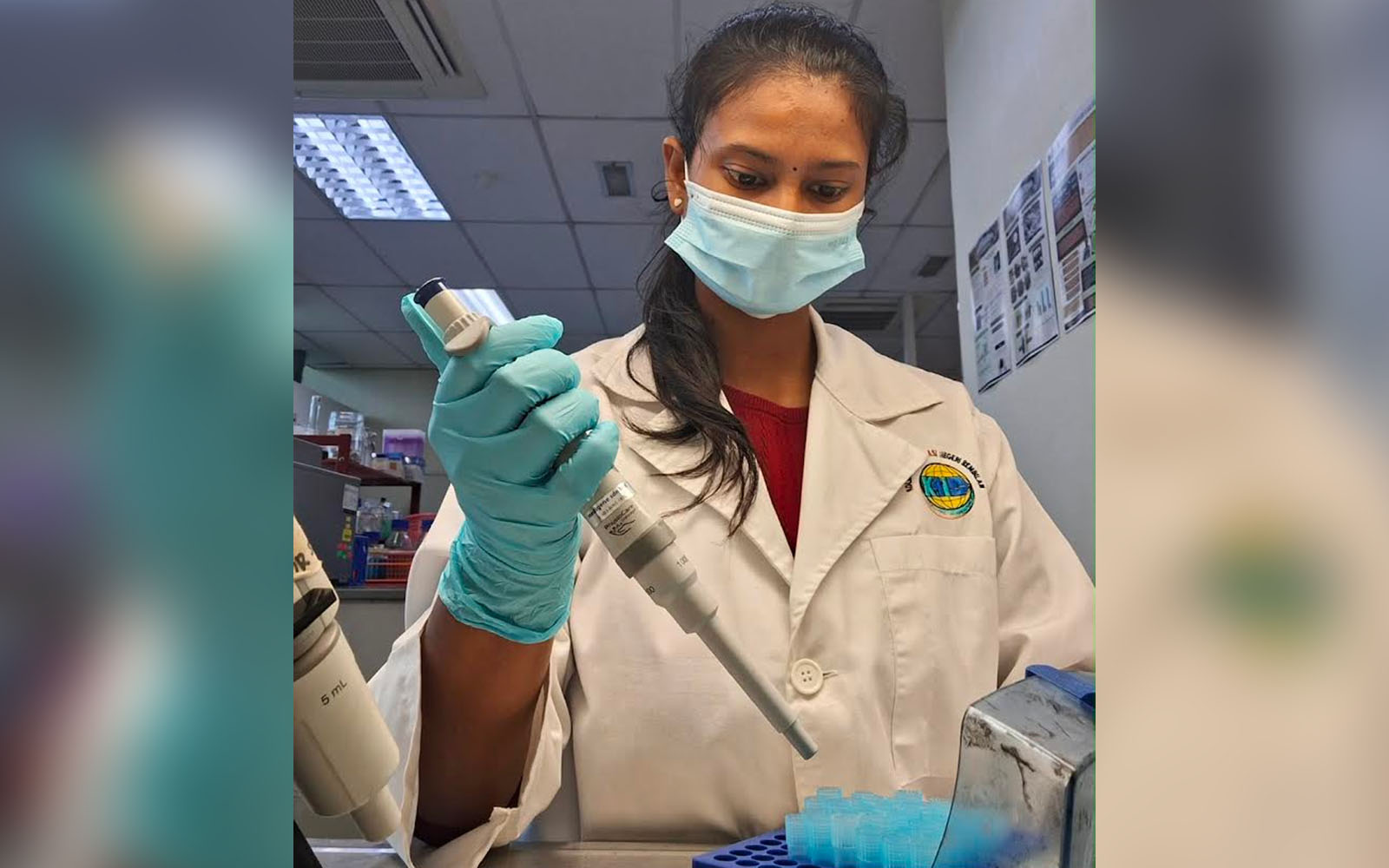
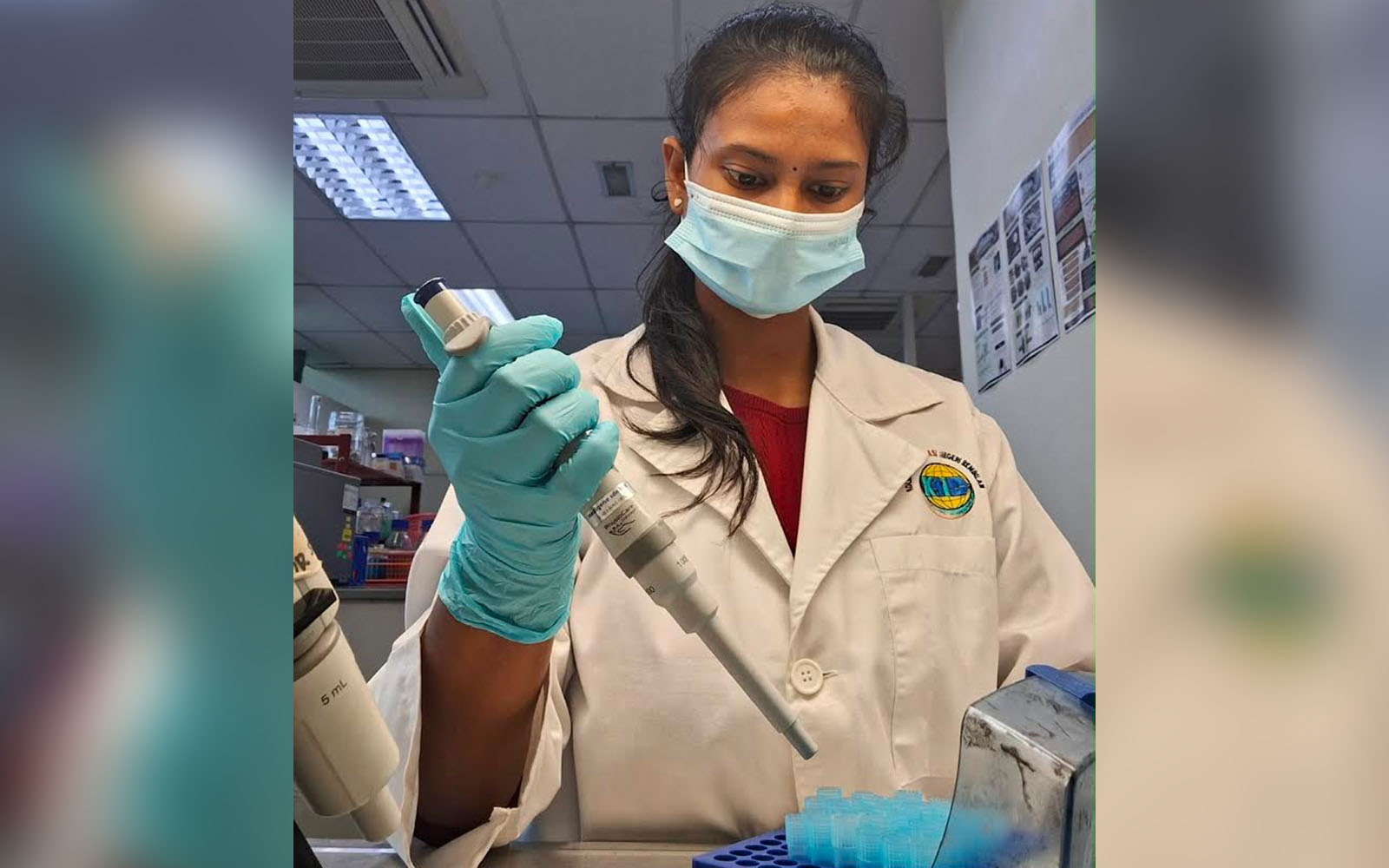
Sophie Valk, a Ph.D. candidate at Wageningen University & Research, studied the genetic consequences of these practices. She emphasized the need for a tailored genetic approach, examining the genetic variation of oysters in each restoration area, their relatedness to the local population, and the genetic differences of the oysters used for restoration.
Valk compared wild Dutch populations with oysters from Ireland, Norway, and hatchery-cultured offspring, finding that Dutch wild populations are genetically diverse and have been exchanging genetic material for decades. Two recent natural populations in the Voordelta and Maasvlakte also showed comparable genetic diversity to other wild Dutch populations.
These populations' ability to establish themselves naturally is notable given the high infection rates of bonamiosis affecting Dutch oysters. Valk concluded that restoring oysters should focus on preserving and enhancing genetic diversity rather than trying to manage the species entirely. She recommended using local oysters where possible, selecting from nearby or genetically similar populations when local options are limited, and considering the risks of disease spread, costs, and availability.
While hatchery-cultured oysters show promise genetically, ensuring genetic diversity requires careful management, such as using a large group of parent oysters, combining different groups of offspring, and carefully documenting breeding protocols.
Written by urgent.news from Phys.org's reporting — not their text. Machine-written — may contain errors; check the original before relying on it.