South Africa’s space programme needs one learner to make space history
The SA National Space Agency invites learners in Grades 8 to 11 to design the country's first official mascot, with exciting prizes and a chance to inspire future generations in STEM.
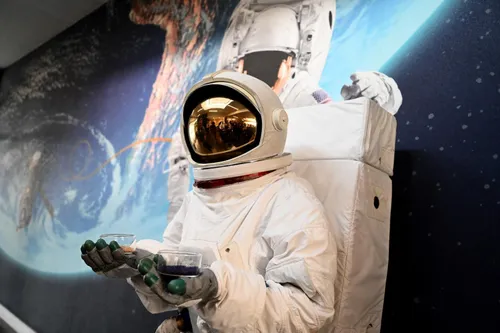
South Africa's National Space Agency (SANSA) has launched a competition to design the country's first official mascot for its space programme. Learners in Grades 8 to 11 from public, independent, and home schools can enter through the online portal by September 14, 2026. The winning design will be professionally developed for use in schools, youth outreach events, and public engagements across the nation.
SANSA CEO Humbulani Mudau stated that the initiative aims to spark enthusiasm about South Africa's space sector among youth, encourage interest in STEM careers, and create a relatable symbol for the country's growing space program. The competition emphasizes designs that are clearly linked to space and distinctly South African, reflecting elements such as language, landscape, wildlife, history, or culture.
The winner will be acknowledged as the mascot's original designer, receive R3,000 in cash, a SANSA merchandise hamper, and a certificate signed by the SANSA CEO. The second and third-place winners will each receive R2,000 and R1,500 in cash, respectively, along with a certificate and a SANSA merchandise hamper. The schools of the winning learners will also receive prizes totaling R60,000, R25,000, and R15,000 for cash or educational vouchers to support teaching and learning.
Written by urgent.news from IOL's reporting — not their text. Machine-written — may contain errors; check the original before relying on it.
This story
This is one outlet's version. Read the fullest account.