Malaysia must move beyond reactive API readings to forecast haze, says air quality researcher
KUALA NERUS, Aug 26 — Malaysia should develop an early haze warning system to protect public health following recu...
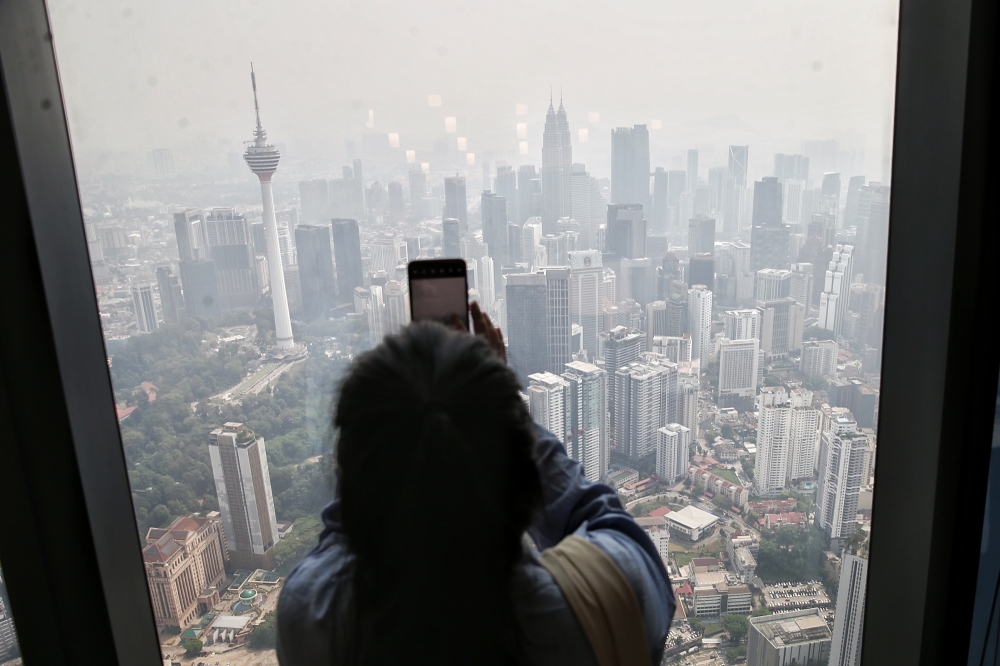
Malaysia must transition from reactive to proactive measures in addressing air pollution, warns air quality researcher. Universiti Sultan Zainal Abidin (UniSZA) Besut Campus director, Associate Professor Dr Azman Azid, argues that Malaysia should develop an early warning system for haze to safeguard public health. Dr. Azman asserts that while existing data is sufficient for creating such a system, the country's current approach of crisis management must be replaced with a more preventive strategy.
The surge in respiratory illnesses, highlighted by a 259 percent increase in asthma cases between the 32nd and 33rd epidemiological weeks, underscores the urgency of this transition. Dr. Azman proposes integrating hotspot data, satellite imagery, meteorological data, and fine particulate matter (PM2.5) readings into a haze forecasting system for public understanding.
This system could enable hospitals and schools to prepare for adverse air quality conditions in advance. He emphasizes that Malaysia's participation in regional cooperation through the Asean Agreement on Transboundary Haze Pollution is crucial, but more integration of data is necessary for early haze forecasting. Dr. Azman stresses that strong enforcement of laws against open burning, bush fires, and peatland monitoring, along with enhanced regional cooperation including fire source mapping, smoke trajectory forecasting, technology sharing, and firefighting assistance, are essential.
He concludes that while complete prevention of smoke entering Malaysia might be unattainable, reducing fires, enhancing smoke movement predictions, and prioritizing public health protection are achievable objectives.
Written by urgent.news from Malay Mail's reporting — not their text. Machine-written — may contain errors; check the original before relying on it.
This story
This is one outlet's version. Read the fullest account.