Wouldn’t you like to know? A mouse would
Mice seek information for curiosity’s sake—and their desire for knowledge versus a payout is represented distinctly in the brain, new findings suggest.
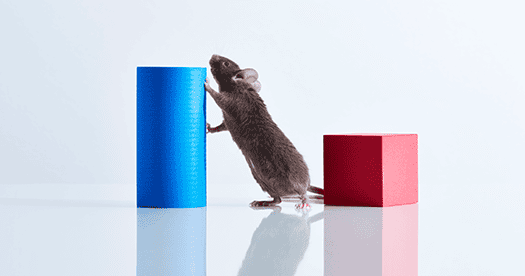
A new study published in Nature Neuroscience suggests that mice, like humans and other primates, value information-seeking behavior even without a reward. Researchers found that mice preferentially choose to seek information over a reward, even when the probability of receiving water is identical at both information-gathering and no-information gathering ports.
The orbitofrontal cortex, a region in the brain, represents the value of information differently from the value of a reward, indicating separate pathways for the desire to know something versus the desire to have something. The researchers trained water-deprived mice to choose between two ports, one providing information and the other providing no information.
The mice chose the information port 78% of the time, and they entered it faster than the no-information port by an average of 220 milliseconds. The study opens the door for future research on information-seeking behavior in mice, using tools and techniques that are not available in humans and other primates.
Written by urgent.news from The Transmitter's reporting — not their text. Machine-written — may contain errors; check the original before relying on it.