Snakes and Ladders began as a spiritual game in India. How the British transformed it
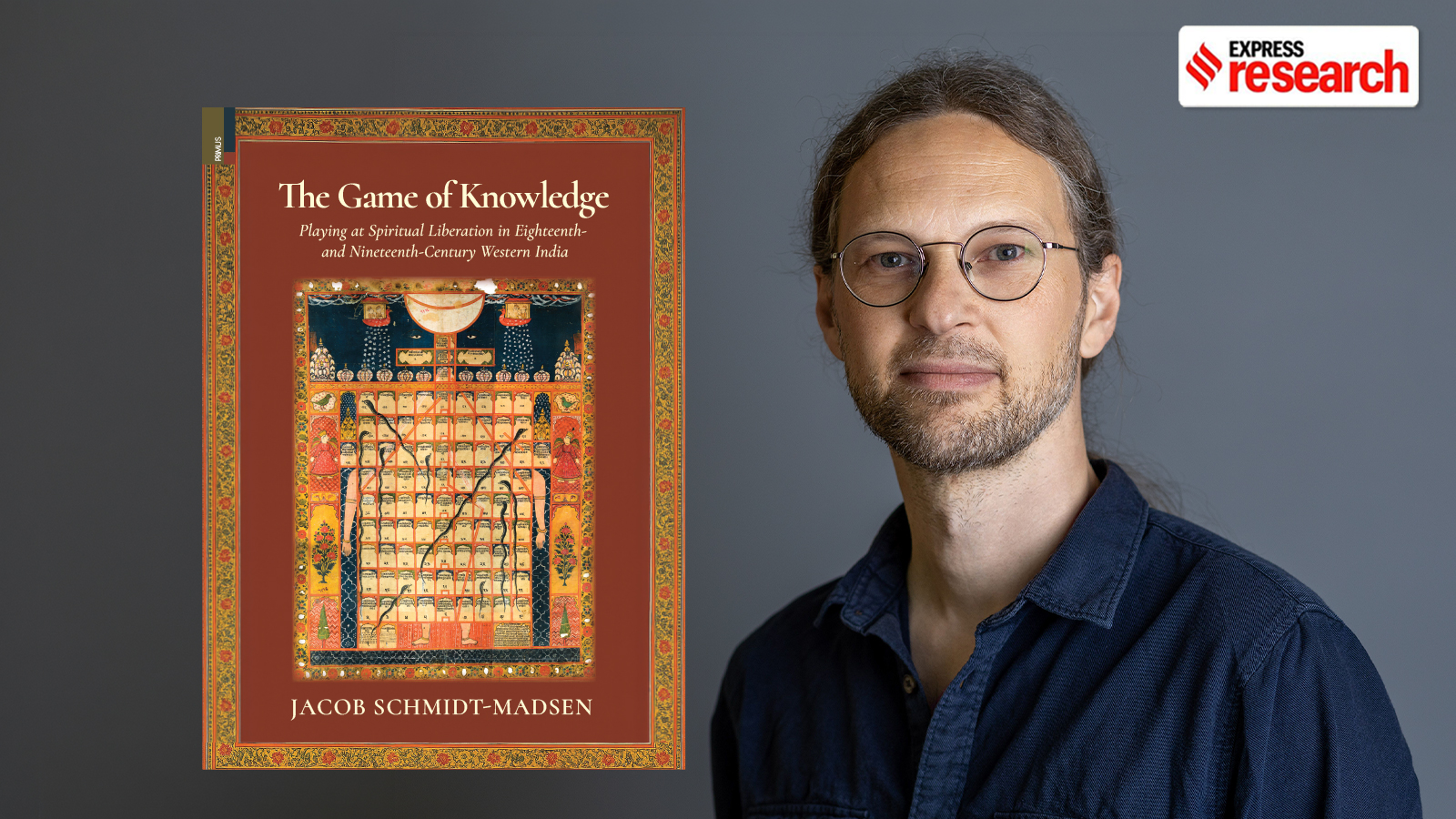
Cultural historian Jacob Schmidt-Madsen discovered an ancient Snakes and Ladders board with religious inscriptions while researching the origins of the game. Unlike modern children's versions, these boards featured symbolism from Vaishnavism, Shaivism, Sufism, and Jainism. Schmidt-Madsen's research led to his book The Game of Knowledge, published in August 2026.
British manufacturers introduced the modern version of Snakes and Ladders to India in the late 19th century, despite the game's origins in India as Gyan Chaupar. The game evolved in Europe and was later re-exported to India.
Schmidt-Madsen explains that the earliest evidence of board games dates back to the Bronze Age civilizations of ancient Egypt, Mesopotamia, and the Indus Valley. Games were played across all social classes, but their ephemeral nature and association with gambling and idleness made them difficult to find in archaeological records.
The inscriptions on the Gyan Chaupar boards represented key concepts of different religious knowledge systems, with each board belonging to a specific religious community. Vaishnava and Jaina communities in western India created most boards, while later boards also featured Sufi, Shaiva, Advaita Vedanta, and other religious communities. The game reflected the diverse religious life worlds of the time, with each square representing an element of the universe, such as a principle of creation or a realm of existence.
Written by urgent.news from The Indian Express's reporting — not their text. Machine-written — may contain errors; check the original before relying on it.
This story
This is one outlet's version. Read the fullest account.
- Why private missile manufacturing could be a game changer for India's defence readiness timesofindia.indiatimes.com
- India’s missile game gets a private-sector launchpad economictimes.indiatimes.com