Raids & kidnapping drills: How Chinese students are prepping for Trump's US
Chinese students now receive survival training before attending American universities. This preparation addresses perceived immigration system unpredictability and potential hostility. New immigration rules and heightened scrutiny create significant anxiety for families. Students must now navigate admission, visa, and legal status concerns. This reflects a shift from academic focus to survival…
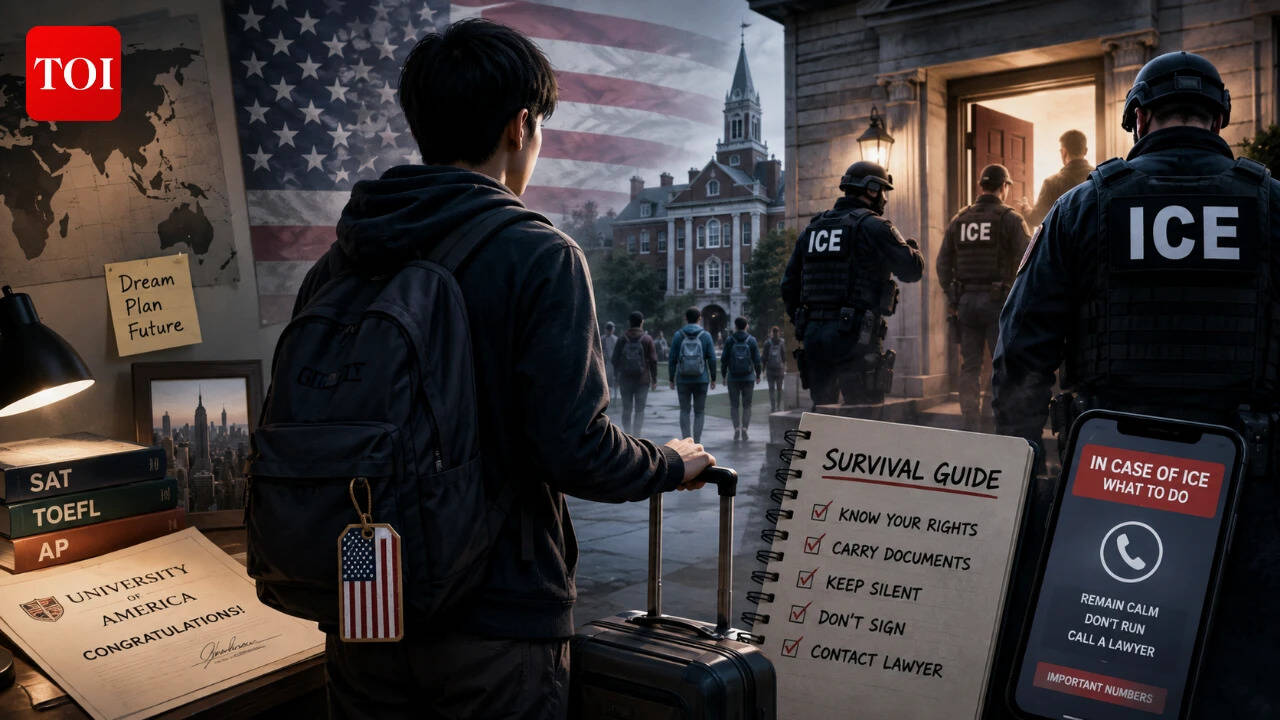
For most Chinese teenagers preparing to study in America, the final months before departure involve packing and goodbyes. However, some are being taught how to respond if armed intruders enter their rooms. Private summer camps in China simulate encounters with U.S. immigration authorities, including fake Immigration and Customs Enforcement raids. The message is clear: students must be ready for unpredictable and hostile immigration systems after arriving in the United States.
This unusual training stems from a broader shift in how some Chinese families view American higher education. With President Donald Trump's immigration crackdown, parents are now considering the journey as a potential security risk. As immigration rules change and the political focus on foreign students intensifies, students face additional concerns beyond academic pressure and culture shock.
The Trump administration has tightened scrutiny of international students, expanded visa vetting, and made it easier for immigration authorities to act against those whose status is questioned. In 2025, the administration terminated thousands of student records in the Student and Exchange Visitor Information System, triggering lawsuits and anxiety on US campuses. The administration has also increased scrutiny of Chinese student visas and expanded vetting, including monitoring of social media.
These measures have created a new calculation for Chinese families: after years of preparing for university, students must now also worry about obtaining visas, passing security checks, maintaining legal status, and avoiding actions that might attract immigration scrutiny. The psychological impact on students is significant, as they must understand their rights, carry documentation, be cautious about their digital footprint, and know how to react if approached by immigration officers.
Chinese students make up a significant portion of the American higher-education system. In the 2024-25 academic year, Chinese students enrolled at US institutions totaled 265,919, accounting for 53% of all international students. However, Chinese students also sit at the intersection of immigration and US-China national security competition.
The US has raised concerns about technology transfer, espionage, intellectual property, and China's military-civil fusion strategy, while China accuses the US of discriminating against Chinese students and restricting academic exchanges.
The decline in the number of F-1 student visas issued to Chinese applicants in 2025 has heightened fears that studying in America is becoming less predictable. In July, the Department of Homeland Security announced a final rule ending the "duration of status" system for international students, which previously allowed students to remain in the country for the duration of their academic program.
The new system grants a fixed period of admission of no more than four years, subject to extensions, potentially creating additional uncertainty for students.
For Chinese parents who have invested heavily in their child's American education, the question now extends beyond admission to whether their child can safely and legally remain in the country long enough to graduate.
Written by urgent.news from Times of India's reporting — not their text. Machine-written — may contain errors; check the original before relying on it.