Perplexity just separated reasoning from authority. Here’s why it matters for enterprises.
Perplexity shipped Portable Computer this week, the local-first version of its Computer agent running on an Nvidia DGX Spark workstation, The post Perplexity just separated reasoning from authority. Here’s why it matters for enterprises. appeared first on The New Stack .
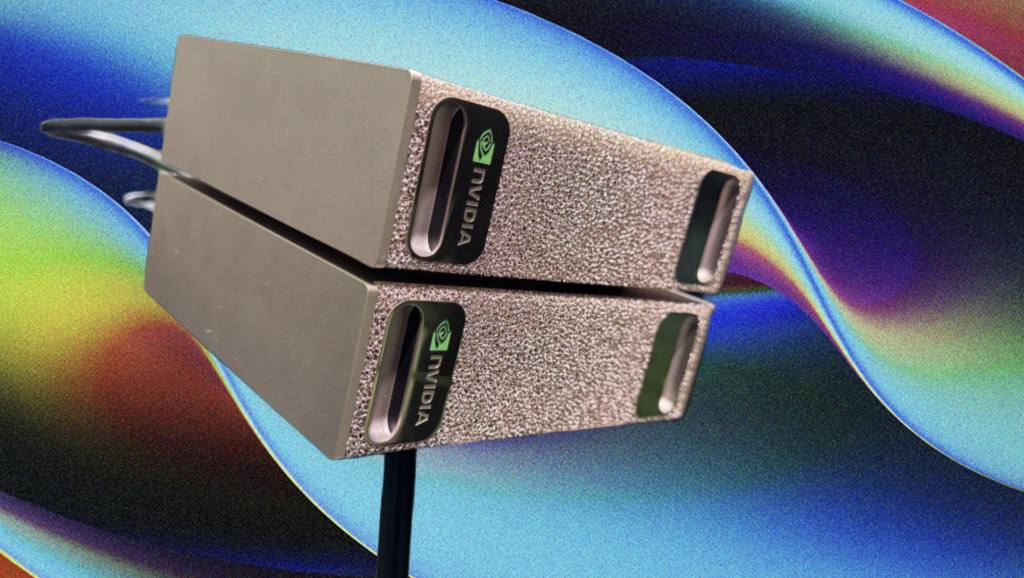
Perplexity has recently released a portable version of its Computer agent that runs locally on an Nvidia DGX Spark workstation. This new architecture separates the reasoning and authority mechanisms, which is significant for enterprise applications. Running on a $4,700 DGX Spark workstation, which can also house a 24GB RTX 3090, demonstrates the company's commitment to local processing power.
Perplexity's approach differs from most platforms that incorporate additional models to handle reliability, such as an orchestrator, planner, or critic. Instead, Perplexity uses probabilistic reasoning to suggest the next action and deterministic software to decide whether to execute it. The orchestrator, in this case, is deterministic code responsible for assembling context, enforcing policy, and executing approved tool calls within an OS-level sandbox.
This deterministic code, rather than an additional model, is a crucial part of the system's security boundary. The sandbox restricts processes, filesystem paths, and network access, ensuring that even if the sandbox is unavailable, the system will disable itself before making any tool calls. This approach provides a fail-safe mechanism for the system.
Perplexity's local model proposes the next action, including which tool to call and when to seek assistance from a cloud advisor. This split between reasoning and authority resembles a control plane architecture, where reasoning suggests and inspectable software retains authority.
In a test using a held-out set of 53 tasks on Perplexity's internal Local Knowledge Work Bench, the company reported an 82.6% performance for the Computer agent. This score was notably higher than other models, such as Qwen3.8-27B (77.6%) and Hermes (74%). The gap between the scores further highlights the effectiveness of Perplexity's local reasoning and authority separation.
Deterministic code, while valuable for policy inspection and safe failure handling, is not a guarantee against vulnerabilities or faithfully executed mistakes. The key distinction, however, lies in the enforcement of permissions. In Perplexity's architecture, permissions are enforced by the sandbox itself, rather than by asking the model to comply with plain English instructions. This approach ensures a more secure and controlled environment for enterprises utilizing local agents.
Written by urgent.news from The New Stack's reporting — not their text. Machine-written — may contain errors; check the original before relying on it.