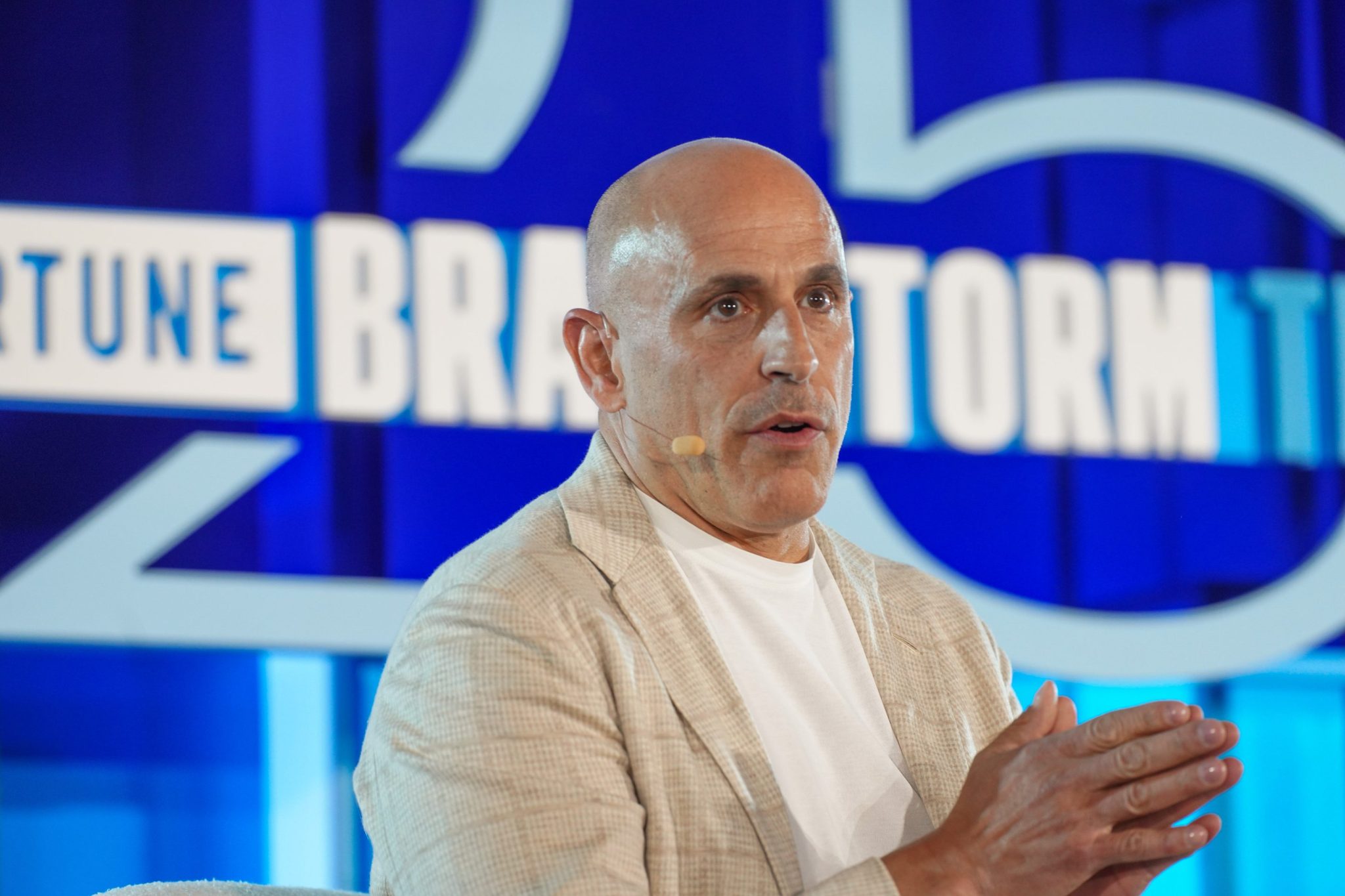
How Cigna’s AI chief is investing in the technology to cut costs and address some of healthcare’s biggest problems
Katya Andresen says AI can make healthcare more conversational, proactive, and personal for Cigna's 185 million customers.

Katya Andresen, Cigna Group's chief data, digital and AI officer since September 2021, is focusing on using AI to address healthcare's biggest problems and cut costs. Instead of simply asking how to use AI, Andresen frames the question as how to lead in an age of AI, emphasizing the importance of measurement in showing an AI investment can change health outcomes.
Cigna's AI initiatives include projects to identify chronic conditions and proactively connect patients with clinicians, which could save an estimated $200 million over the next three years. The company is also investing $100 million through 2028 to reduce the time clinicians spend documenting cases and speed up the prescription process.
Additionally, Cigna is using AI to better understand common patient questions about biosimilars, leading to a targeted campaign that resulted in over 80% of patients opting for the cheaper alternative.
These AI use cases are crucial for Cigna, which generates $275 billion in annual revenue and is ranked 14th on the Fortune 500 list. As national healthcare spending exceeds $5 trillion annually, driven by chronic conditions, an aging population, and soaring hospital stay costs and prescription drug prices, cost savings are critical.
Patients also increasingly turn to AI chatbots for health-related queries, with nearly six-in-ten reporting using AI to research health information before a doctor visit, and about 14 million adults saying they've skipped a provider visit after using AI.
Andresen, who has a personal connection to the potential of AI after a family member was diagnosed with breast cancer, believes AI can provide personalization, not just navigation. She envisions AI becoming conversational, ambient, and more proactive, allowing for more precise treatments, recommendations, and understanding of what works, which can then be fed back into the models for continuous improvement.
Written by urgent.news from Fortune's reporting — not their text. Machine-written — may contain errors; check the original before relying on it.