Over 61,000 wait for kidney transplants
The committee on health and family welfare has recommended that kidney transplant facilities be expanded to at least three govt medical colleges in large states and one in every small state and UT, besides setting time-bound targets to increase organ retrieval centres and transplant infrastructure, particularly in underserved and hilly regions.
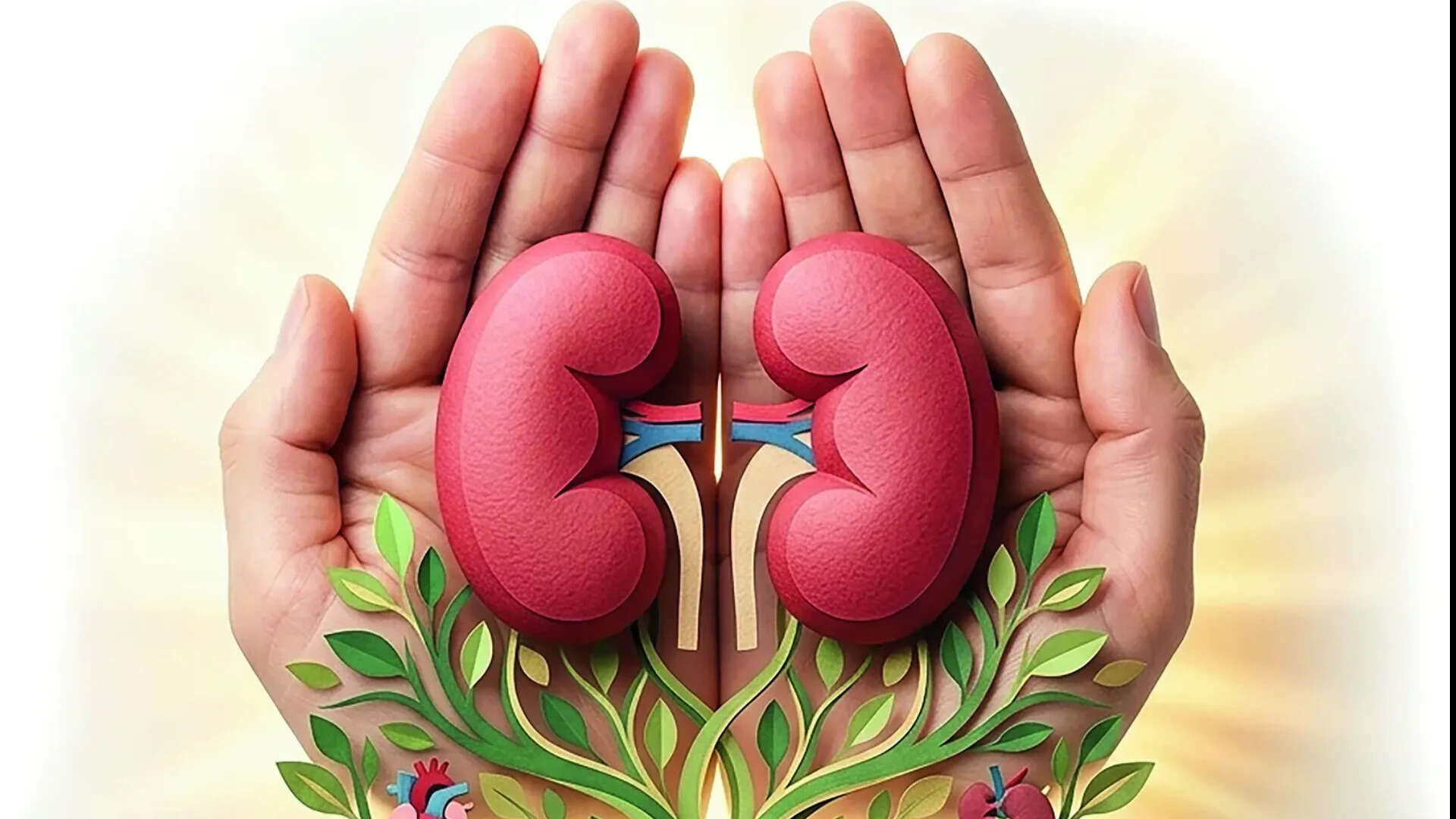
India grapples with a growing disparity between the demand for kidney transplants and the availability of donor organs, with over 61,000 patients currently awaiting transplants, according to a parliamentary standing committee's report. This figure is nearly five times the number of kidney transplants performed in 2024, which totaled 11,578 living-donor and 1,918 deceased-donor procedures.
The committee, tasked with reviewing health and family welfare issues, has urged the expansion of kidney transplant facilities to at least three government medical colleges in large states and one in every small state and union territory. Additionally, the committee has proposed setting time-bound targets to boost organ retrieval centers and transplant infrastructure, particularly in underserved and mountainous regions.
The committee's report, presented during the recent monsoon session of Parliament, revealed that the majority of transplant activity remains concentrated in a few states and major cities, including Delhi, Tamil Nadu, Maharashtra, Gujarat, and Karnataka, resulting in uneven access across the country. The shortage of donor organs is partly attributed to low deceased-organ donation rates, driven by social misconceptions, lack of awareness, limited retrieval infrastructure, and procedural hurdles.
The committee has called for a nationwide awareness campaign and improved coordination systems within hospitals. Notably, the data from the National Organ and Tissue Transplant Organisation indicates that women made up 63.8% of living organ donors, while men accounted for 69.8% of transplant recipients. The committee has called for a study to explore whether socioeconomic, cultural, financial, or gender-related factors contribute to this disparity.
Written by urgent.news from Times of India's reporting — not their text. Machine-written — may contain errors; check the original before relying on it.