NYU Abu Dhabi researchers develop 3D-printed gastric stent technology
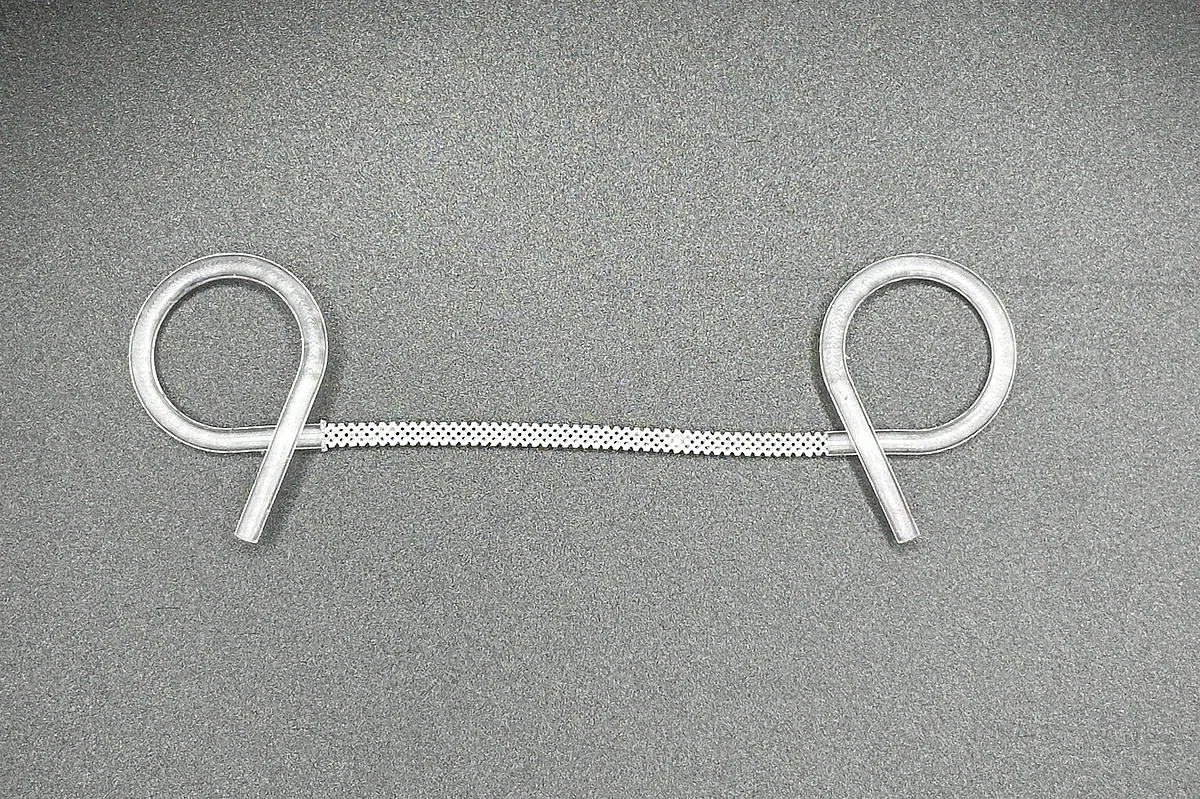
Researchers at New York University Abu Dhabi have created a novel biodegradable, 3D-printed gastric stent called BRIDGE (Biodegradable aRchitected Internal DrainaGE). This innovative device aims to enhance treatment for gastric leaks, a serious issue that can arise after weight-loss surgery. By integrating an advanced internal lattice design with biodegradable materials, the stent reportedly doubles drainage performance and may even eliminate the need for a subsequent procedure to remove the stent after healing.
The study, published in Device, utilized advanced 3D printing techniques to engineer a complex internal lattice that boosts both flexibility and fluid flow. Laboratory tests demonstrated that the new design achieves up to twice the drainage performance of traditional stents while maintaining effectiveness even when bent seven times more tightly than conventional stents, thus preserving efficient drainage in intricate anatomical structures.
Parima Phowarasoontorn, a Research Assistant at NYU Abu Dhabi's Ramadi Lab and the study's first author, stated, "By merging advanced 3D printing with biodegradable materials, we have engineered a stent that enhances drainage while minimizing the treatment burden for patients." Khalil Ramadi, an Assistant Professor of Bioengineering at NYU Abu Dhabi and a Global Network Assistant Professor of Chemical and Biomolecular Engineering at the NYU Tandon School of Engineering, added, "This work exemplifies how the redesign of medical technologies through advanced manufacturing can significantly improve their performance."
Written by urgent.news from Gulf News's reporting — not their text. Machine-written — may contain errors; check the original before relying on it.