Diagnostic dilemma: A man tried to self-treat his incontinence by gluing his urethra shut
A man attempted to self-treat his incontinence via unorthodox means and ended up needing surgery.
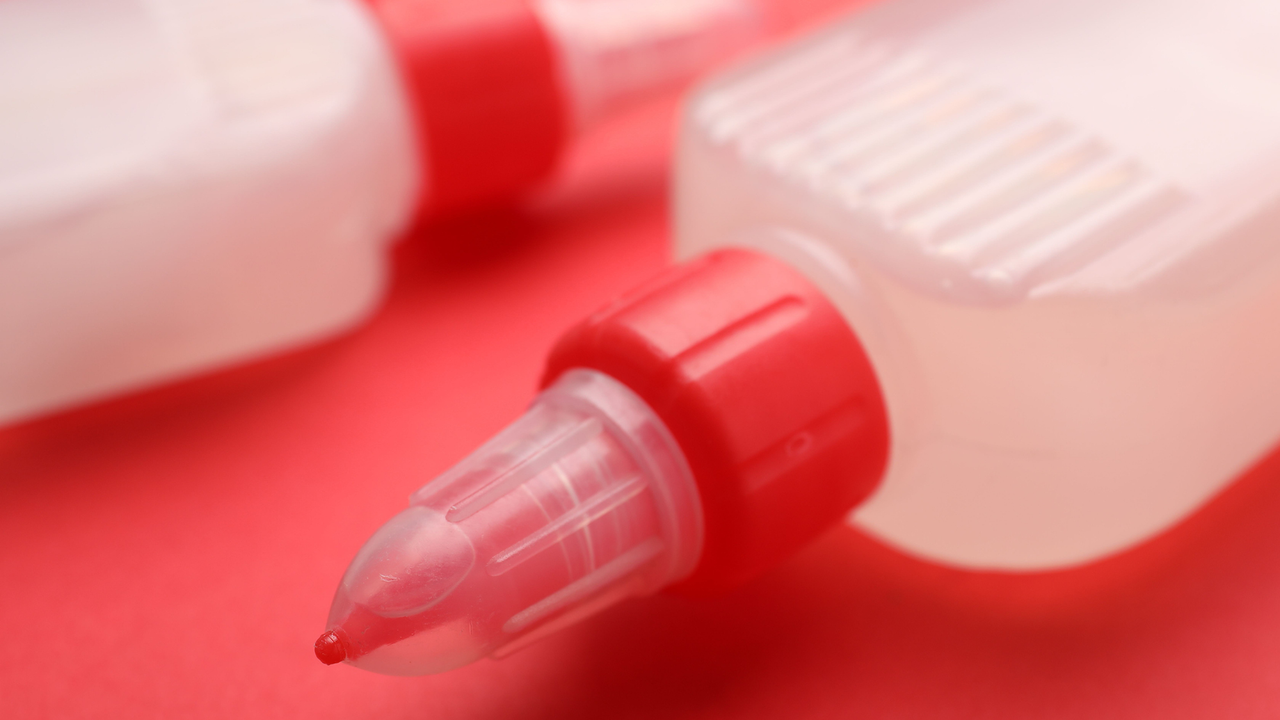
In Iran, a 41-year-old man sought medical attention after suffering from incontinence and urinary pain for a week. Upon visiting an outpatient clinic, he revealed that he had attempted to self-treat his condition by applying superglue inside his urethra two weeks prior. Initially, the superglue seemed effective, but after four days, his urine flow diminished and urination became excruciating.
Two weeks after discontinuing the superglue application, his condition worsened, and doctors diagnosed him with a foreign body obstruction in his urethra. During a physical examination, they discovered a hardened mass of superglue at the tip of his penis. Despite attempting a cystoscopy, they found the obstruction too severe for a tube to reach it, leading them to perform emergency surgery.
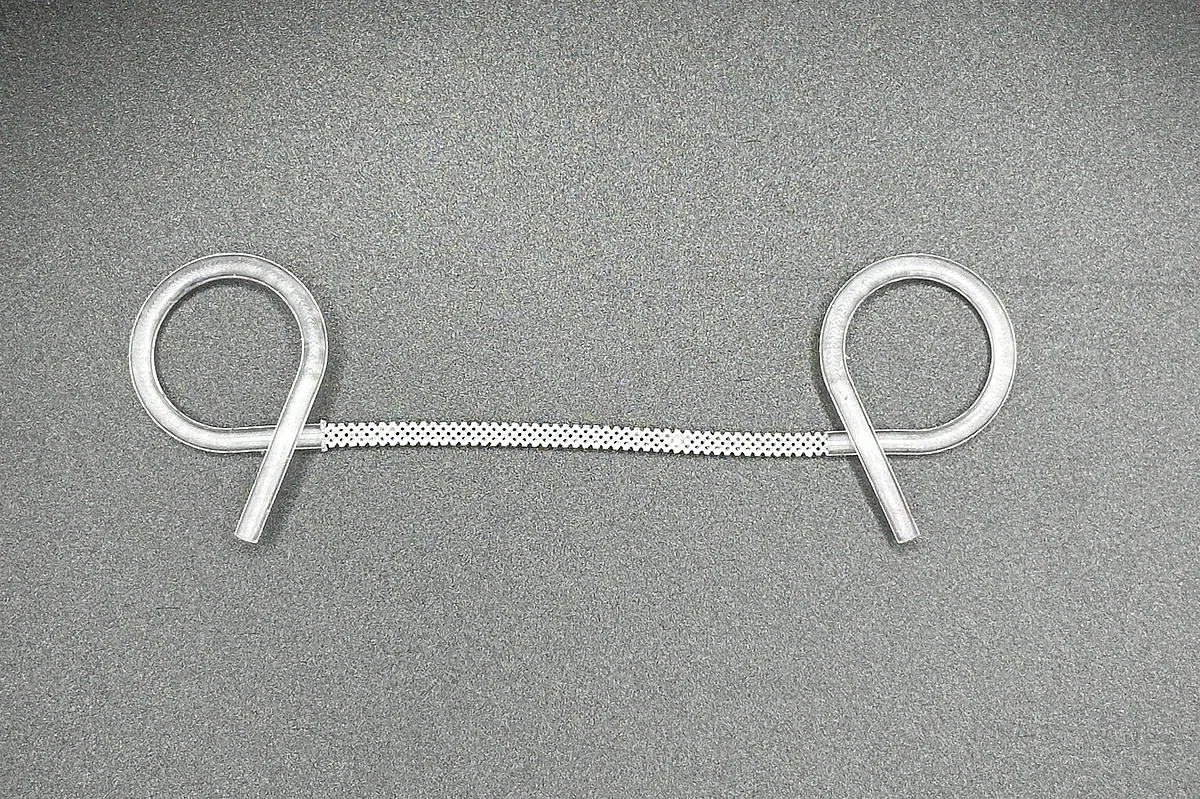
Surgeons made a small incision at the end of his penis and spent 15 minutes saturating the glue with saline solution, eventually removing a nearly 4-inch-long rod-shaped mass. Following surgery, the patient's urination returned to normal, and he was discharged with a catheter for 10 days. No further complications arose in the six weeks post-surgery.
This case is unique as superglue insertions into body cavities are more commonly reported in the ear or nose, and removal typically requires endoscopy or surgery. The delicate nature of urethral tissue makes such insertions risky, potentially causing infection or pain. While rare, some individuals may insert foreign objects into their urethra for curiosity, intoxication, mental illness, or sexual stimulation.
Written by urgent.news from Live Science's reporting — not their text. Machine-written — may contain errors; check the original before relying on it.