Meghalaya Assembly resolves to oppose uranium mining
Local communities have been resisting the proposed exploration of the radioactive mineral in Domiasiat, Lostoin, Mawthabah, and Wahkaji areas of South West Khasi Hills district
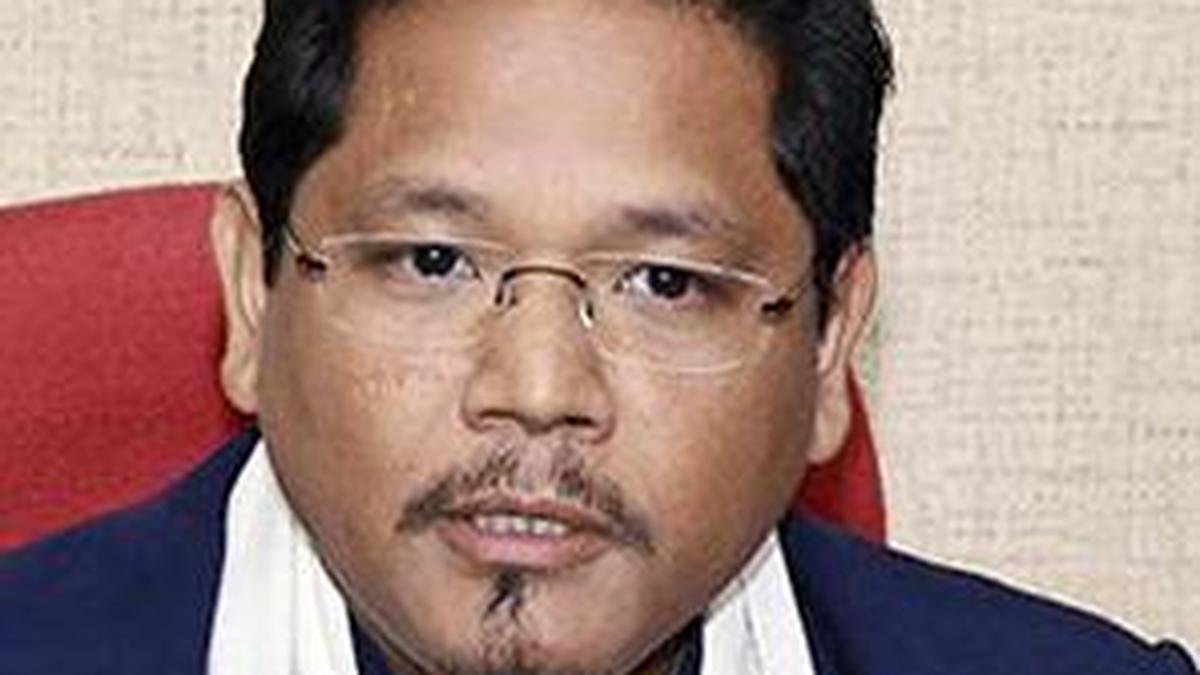
On August 26, 2026, the Meghalaya Assembly passed a resolution opposing uranium mining and any uranium ore-processing facility in the State. Chief Minister Conrad K. Sangma introduced the resolution in the 60-member House, stating that the government shared the same stance as local communities in uranium-bearing regions of the West Khasi Hills district.
The resolution cited the Supreme Court's 2019 Meghalaya versus All Dimasa Students’ Union ruling, which affirmed the rights of private and community landowners over both the land surface and minerals beneath it. Sangma emphasized that Meghalaya operates under a unique constitutional and customary framework protected by the Sixth Schedule of the Constitution, safeguarding community, clan, and individual land and resource ownership.
The Assembly resolution aimed to document Meghalaya's opposition to uranium extraction and processing, according to the CM. The decision would be communicated to the Central government. Ahead of the Anti-Uranium Day on October 28, the resolution sought to provide legislative protection to a long-standing public campaign against the exploration of the radioactive mineral.
Anti-Uranium Day commemorates the death of Spility Lyngdoh Langrin, a prominent figure in the protest movement against uranium exploration in the Domiasiat, Lostoin, Mawthabah, and Wahkaji areas during the 1990s. Langrin, who died in 2020 at 95, became a household name when she rejected a government offer to buy her land in 1993.
Her leadership led to the suspension of Atomic Minerals Directorate's exploratory drilling activities a few years later. The protests intensified in 2009 after the Meghalaya government granted Uranium Corporation of India Limited permission to explore 422 hectares of land in the district. Locals, well-informed about the consequences of uranium mining in Jharkhand's Jaduguda, forced the government to revoke the permission in August 2016.
Meghalaya boasts one of India's largest reserves of high-grade uranium in South West Khasi Hills, with an estimated 9.22 million tonnes accounting for 16% of the country's total reserves, making it the third-largest, after Jharkhand and Andhra Pradesh.
Written by urgent.news from The Hindu's reporting — not their text. Machine-written — may contain errors; check the original before relying on it.
This story
This is one outlet's version. Read the fullest account.
- Meghalaya Assembly Unanimously Opposes Uranium Mining, Ore Processing freepressjournal.in
- Meghalaya assembly passes unanimous resolution against uranium mining hindustantimes.com
- Meghalaya Assembly Passes Resolution Against Uranium Mining ndtv.com