In 1906, William Bancroft began buying land that later became a 1,359-acre park
In 1906, William Poole Bancroft began buying land in Delaware’s Brandywine Valley to hold it in reserve for the public’s health and well-being. He eventually acquired more than 1,300 acres. Parts of the land were later donated to the National Park Service, with 1,359 acres now forming the largest unit of First State National Historical Park.
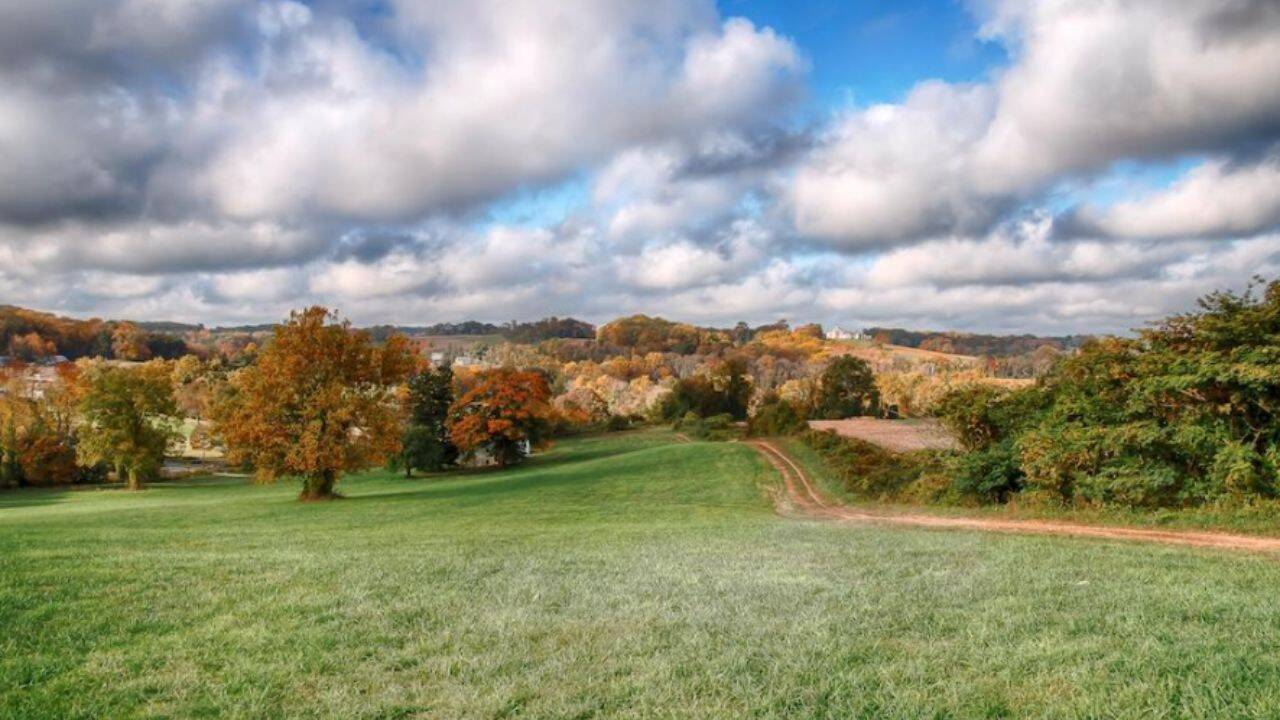
In the year 1906, industrialist William Poole Bancroft began acquiring land in Delaware's Brandywine Valley with the intention of preserving it for the health and well-being of the general population. Over a century later, approximately 1,359 acres of this land transformed into the largest segment of First State National Historical Park.
The history of this land, however, predates Bancroft's acquisition. The Brandywine Valley was originally inhabited by the Lenape people, including the seasonal village of Queonemysing which was utilized for fishing purposes. The village remained relatively undisturbed as Swedish and Dutch traders concentrated on the larger waterways in the region.
The arrival of English colonists, particularly Quakers, brought significant changes to the valley and the Lenape community. European settlement expanded into the area, altering the land's use and occupation. By the early 18th century, Quaker settlers had established farms and mills along the creeks, harnessing the waterways not only for irrigation and power but also for transportation. As settlement pushed beyond the creek banks, farmers cleared more land and constructed stone farmhouses.
The valley eventually developed an agricultural and industrial character. By the mid-19th century, most of the fertile agricultural land was being cultivated, and the water-powered mills that once played a crucial role had become obsolete by the latter half of the century.
Bancroft's acquisition of land began when many of the mills along the Brandywine Creek had fallen into disrepair. Starting in 1906, he purchased properties from farmers and small-scale industrialists with the purpose of reserving them for public use. These acquisitions eventually totaled over 1,300 acres, with about 1,100 of these acres later forming part of the Brandywine Valley unit of First State National Historical Park.
Though Bancroft's efforts were primarily focused on land acquisition, he established the Woodlawn Company in 1919, which later became Woodlawn Trustees Inc. The company's objectives included creating affordable housing and acquiring land for parkland and open space.
Over the years, the land operated as a privately-owned park. However, it transitioned to public ownership when part of it was transferred to the National Park Service. In 2013, around 1,105 acres were donated to the National Park Service, and in 2021, an additional 254 acres were donated. These donations collectively increased the size of the Brandywine Valley unit to 1,359 acres, making it the largest unit within First State National Historical Park.
Before becoming part of the National Park Service, the land had already been utilized for recreational purposes. In 1959, the Woodlawn Trustees began constructing bridle paths to provide their officers and guests with access to more of the area. Some of these paths utilized existing farm roads, while others were newly created for recreational purposes. By 1968, these paths were open to the public for hiking, biking, and horseback riding.
This recreational use of the land has continued under the National Park Service. Today, the Brandywine Valley unit spans 1,359 acres along the Delaware-Pennsylvania border. In 2024, the National Park Service finalized a Comprehensive Trail Plan for the area, which outlines a designated shared-use trail network covering 27.8 miles. The plan includes trail rerouting, repair, and modification initiatives in various parts of the Brandywine Valley unit.
Written by urgent.news from Times of India's reporting — not their text. Machine-written — may contain errors; check the original before relying on it.