Heart, hope and a steely determination: Dolly Parton’s musical legacy
In 1980, Dolly Parton was filming her first Hollywood movie, 9 To 5, and between scenes she had an idea for the tune that would become the movie's theme song.
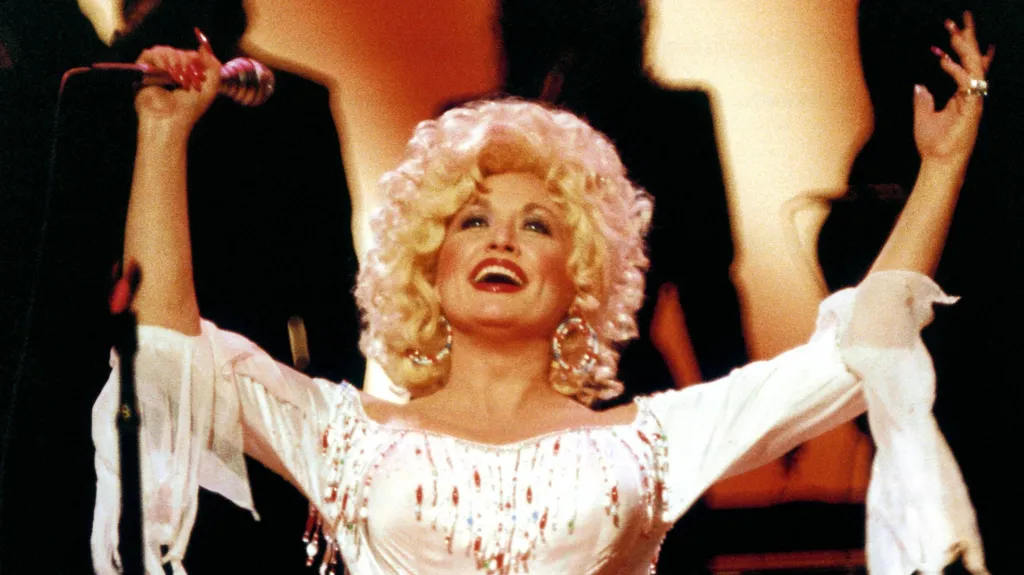
Dolly Parton's musical legacy is a testament to her resilience, determination, and unwavering commitment to her craft. In 1980, while filming the Hollywood movie 9 To 5, Parton conceived the tune that would become the film's theme song. When her guitar was forbidden on set, she improvised by tapping her acrylic nails together, creating a sound that resonated with the typewriter used by her character, a scorned secretary.
Lily Tomlin and Jane Fonda, who co-starred in the film and served as producers, were immediately moved by the song. Fonda remarked, "Lily and I looked at each other and we had goosebumps. We knew, this is not just a movie song, this is an anthem."
Released in November 1980, 9 To 5 became Parton's only US number one as a solo artist and earned her an Oscar nomination for best song. The song's universal message about the struggles of working women struck a chord with audiences and gave a powerful voice to those who had long suffered in silence. Despite the song's success, Parton's intentions were more complex than initially perceived.
The lyrics expressed genuine anger towards the rich and powerful, highlighting the exploitative nature of the music industry and the lack of credit given to those who toiled tirelessly.
Parton's early breakthrough came in 1967 when she joined The Porter Wagoner Show, a widely-watched TV show featuring country singer Porter Wagoner. The duo released 21 hit duets, including "Just Someone I Used to Know" and "Please Don't Stop Loving Me." However, as Parton's star continued to rise, it became apparent that she was overshadowing Wagoner, leading to a contractual dispute in 1979.
Parton had to settle for a measly $1 million to avoid a lengthy court battle, but she never harbored resentment towards her former mentor. Instead, she credited Wagoner for giving her a crucial career break, even after their relationship unraveled.
Parton's determination to protect her work extended beyond disputes with collaborators. She famously refused to hand over half of the publishing rights to Elvis Presley when he wanted to record her hit "I Will Always Love You." Despite public pressure, she remained steadfast in her decision, preserving her right to control her own musical legacy.
Her refusal allowed Whitney Houston to record her own version of the song for The Bodyguard soundtrack in 1992, which earned Houston a fortune that even surpassed the value of Presley's mansion, "Graceland." Parton's commitment to her own artistic integrity has left a lasting impact on the music industry, inspiring future generations to stand up for their own creative vision.
Written by urgent.news from MyJoyOnline Ghana's reporting — not their text. Machine-written — may contain errors; check the original before relying on it.
This story
This is one outlet's version. Read the fullest account.
- Dolly Parton, the star who refused to pick a political side but never remained silent english.elpais.com
- Cher speaks out after Dolly Parton's death, describes their first meeting cbsnews.com
- 'She was very special': Irish stars remember Dolly Parton rte.ie
- A tribute to Dolly Parton: The voice that bridged worlds and touched hearts forever mg.co.za
- WATCH: Celebrating Dolly Parton's lifetime of philanthropy abcnews.com
- In homage to Dolly Parton’s favourite food, here are 13 bedazzled potato recipes theage.com.au
- In homage to Dolly Parton’s favourite food, here are 13 bedazzled potato recipes smh.com.au
- Heart, hope and a steely determination: Dolly Parton's musical legacy bbc.co.uk