Heart, hope and a steely determination: Dolly Parton's musical legacy
BBC music correspondent Mark Savage looks back on the legacy of the "irreplaceable" late singer.
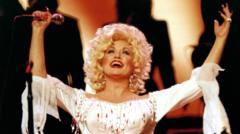
Dolly Parton's music career began with a Hollywood movie in 1980. While filming "9 To 5," she had an idea for a song that would later become the movie's theme. As her guitar was banned from the set, she created a beat by strumming her acrylic nails together. Lily Tomlin and Jane Fonda, who co-starred in the film and produced it, were captivated by the song.
They recognized that it was more than just a movie tune; it was an anthem. The song's message resonated with working women, and it became Dolly Parton's only US number one as a solo artist. The song's universal message of workplace struggles and women's place in the corporate world struck a chord with listeners. Dolly Parton's determination to maintain control over her music is evident in her handling of her hit song "I Will Always Love You."
After Elvis Presley expressed interest in recording a cover, Dolly resisted handing over the publishing rights to him due to her concern for her family's future. Her decision allowed her to maintain control over her music and protect her legacy. Parton's ability to turn everyday experiences into songs of hope and heart is a hallmark of her career.
From her earliest days as a child, she crafted songs that resonated with listeners. Her 1971 hit "Coat of Many Colors" narrates her humble beginnings and pride in her mother's hand-sewn clothes. Later, the 1974 concept album "My Tennessee Mountain Home" served as a musical autobiography, showcasing her growth as a musician and person.
Through her music and unwavering determination, Dolly Parton carved out a unique space in the music industry and inspired generations of artists to stand up for their artistic worth.
Written by urgent.news from BBC News's reporting — not their text. Machine-written — may contain errors; check the original before relying on it.
This story
This is one outlet's version. Read the fullest account.
- Dolly Parton, the star who refused to pick a political side but never remained silent english.elpais.com
- Cher speaks out after Dolly Parton's death, describes their first meeting cbsnews.com
- 'She was very special': Irish stars remember Dolly Parton rte.ie
- A tribute to Dolly Parton: The voice that bridged worlds and touched hearts forever mg.co.za
- WATCH: Celebrating Dolly Parton's lifetime of philanthropy abcnews.com
- In homage to Dolly Parton’s favourite food, here are 13 bedazzled potato recipes theage.com.au
- In homage to Dolly Parton’s favourite food, here are 13 bedazzled potato recipes smh.com.au
- Heart, hope and a steely determination: Dolly Parton’s musical legacy myjoyonline.com