Future of higher education demands AUKU to be reviewed - Zambry
KUALA LUMPUR: The future of the country’s higher education requires a comprehensive review of acts related to higher education, including the Universities and University Colleges Act 1971 (AUKU).
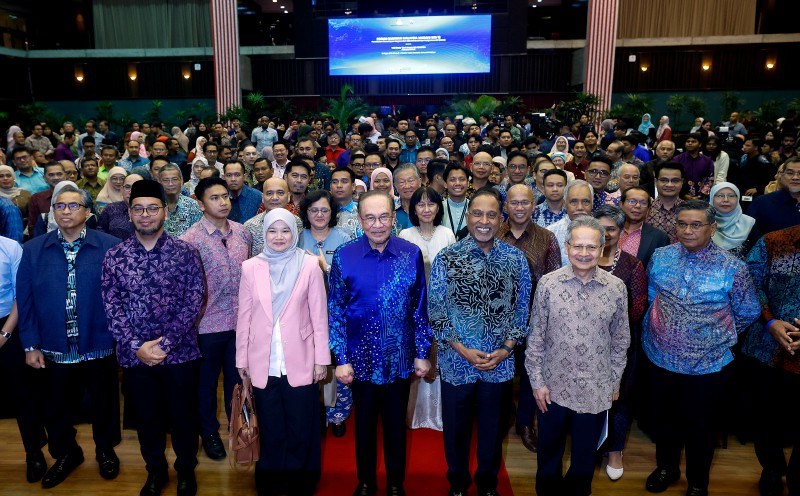
Zambry Abd Kadir, the Higher Education Minister, has emphasized the necessity of reviewing and improving the legal framework governing higher education in Malaysia, specifically focusing on the Universities and University Colleges Act 1971 (AUKU). The review is deemed crucial to ensure the country's higher education system remains relevant and free from constraints imposed by outdated regulations.
AUKU has been a focal point of concern, as the minister recognizes the constraints that previously existed, which necessitate a reevaluation of the act to address new aspects like academic freedom, freedom of expression, and student empowerment.
During a panel discussion at the Madani Malaysian Scholars Forum Series 13, Zambry highlighted the importance of reviewing the existing legal framework associated with higher education in Malaysia. He argued that such a review is essential to guarantee that the higher education ecosystem remains relevant and not hindered by obsolete regulations. Among the acts receiving significant attention is the AUKU itself, which requires scrutiny to ensure its continued effectiveness.
The Higher Education Minister also mentioned the Ministry's consideration of drafting a new comprehensive act, such as the One Higher Education Act, to coordinate various existing acts related to higher education under a single, more streamlined framework. To achieve this, an Independent Committee has been established to gather and evaluate memorandums and views from academics and student representatives.
Fadhlina Sidek, the Education Minister, echoed Zambry's sentiment, stressing the government's commitment to expanding access to Malaysia's education system through a humane education approach. This approach aims to ensure equitable learning opportunities for every child, regardless of their location or background. Fadhlina highlighted several initiatives, such as Schools in Hospital, Schools in Rehabilitation Centers, and the K9 and K11 School models for Orang Asli students, which continue to be strengthened.
Moreover, Fadhlina emphasized the importance of shifting from an examination-centric focus to developing balanced, visionary individuals equipped with mental resilience and strong moral values. She stressed that children are not merely numbers or exam grades but bring intellect, emotions, ambitions, and sometimes anxieties or shortcomings to school. These aspects must be addressed to foster well-rounded individuals.
Written by urgent.news from New Straits Times's reporting — not their text. Machine-written — may contain errors; check the original before relying on it.