Florida's underwater sculpture garden is now a living reef with 100+ species
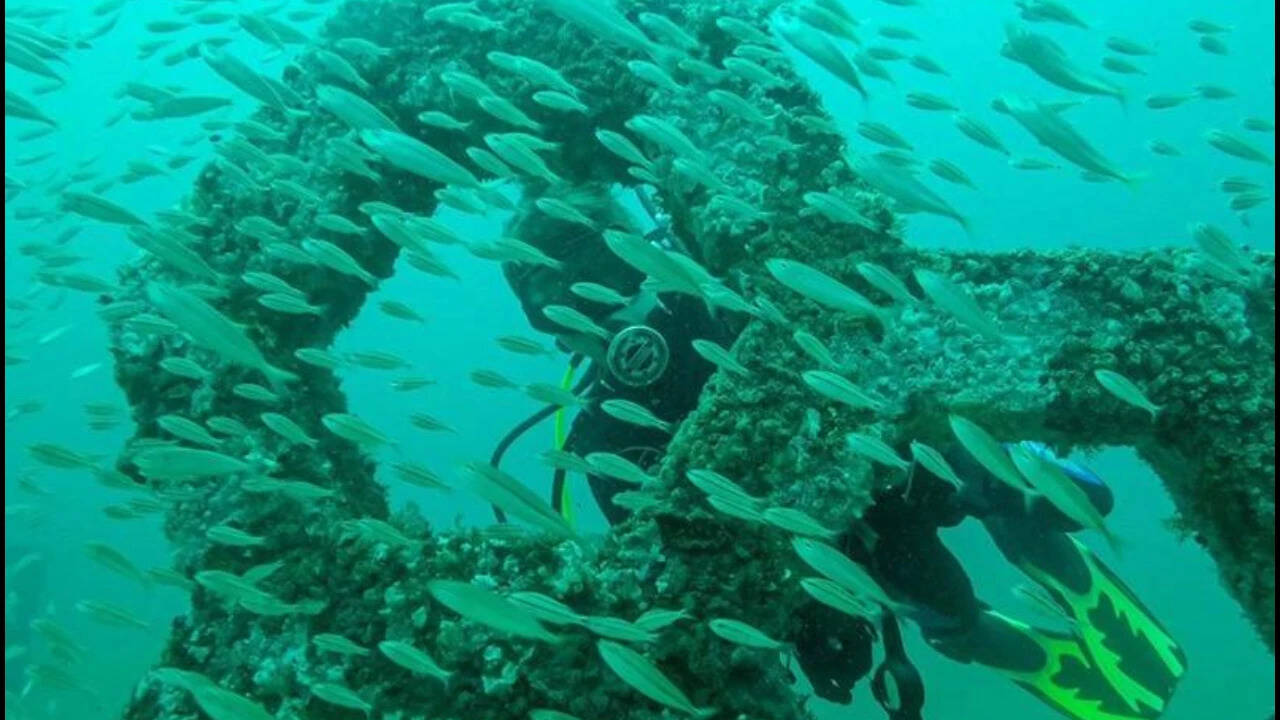
Florida's Underwater Museum of Art has transformed the ocean floor into a thriving artificial reef off the coast of Grayton Beach State Park. Located approximately 0.93 miles from the shore, this underwater sculpture garden is the first permanent installation of its kind in the United States. The museum was established in 2018 through a collaboration between the Cultural Arts Alliance of Walton County and the South Walton Artificial Reef Association, merging artistic expression with marine conservation efforts.
Artists from around the globe submitted their designs to the museum, and selected works were engineered, transported, and positioned on the sea bed. These sculptures are not only aesthetically pleasing but also serve a vital ecological purpose. They act as artificial reefs, providing shelter and breeding habitat for a diverse range of marine life.
In Walton County, where much of the Gulf's coastal seafloor consists of barren sand, the sculptures offer a stark contrast to the natural environment, supporting countless species of marine organisms.
Since the museum's inception, over 100 species of marine and plant life have been documented around the sculptures. Divers can expect to encounter dolphins, sea turtles, and a variety of fish and invertebrates. The sculptures themselves are a testament to human creativity, ranging from whimsical installations like "A Common Chord" and "I Found It" to more monumental pieces like "Poseidon's Throne."
These artworks range from playful to imposing, creating an otherworldly landscape that blends elements of art, nature, and fantasy.
The Underwater Museum of Art is not merely a tourist attraction; it is also a valuable platform for scientific research. Marine scientists, ecologists, wildlife professionals, and students have utilized the site to observe how artificial structures can transform into functional habitats over time. As the sculptures gradually become colonized by marine life, they offer an unparalleled opportunity to study the development of artificial reef systems and their potential impacts on marine environments.
This unique ecosystem draws visitors from across the globe, combining the allure of art, ocean exploration, and ecological conservation. Despite being a relatively new addition to the underwater landscape, the museum has quickly gained international recognition and has become a notable travel destination for divers and art enthusiasts alike.
Written by urgent.news from Times of India's reporting — not their text. Machine-written — may contain errors; check the original before relying on it.