Egypt to witness five-hour partial lunar eclipse covering 93% of Moon
Dubai: Egypt will witness a partial lunar eclipse early on Friday, with the Earth’s shadow covering about 93 per cent of the Moon at the phenomenon’s peak, Egyptian authorities said. The eclipse, which coincides with the full Moon of the Islamic month of Rabi Al Awwal, will last about five hours across all its phases, according to the Egyptian cabinet’s media centre and the National Research…
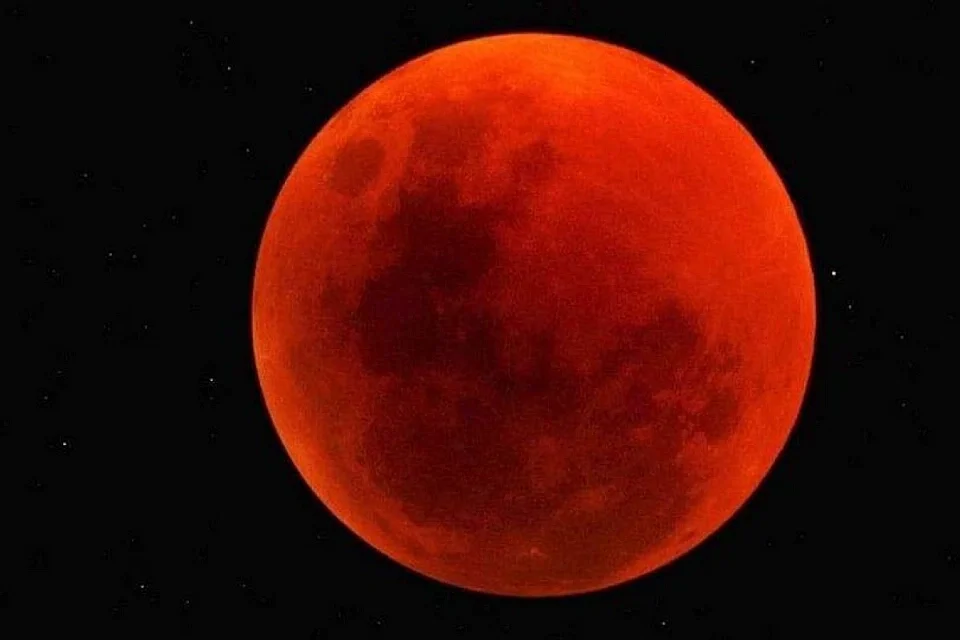
Egypt will experience a partial lunar eclipse early Friday, with Earth's shadow covering approximately 93% of the Moon at its peak, according to Egyptian authorities. This eclipse, occurring during the full Moon of the Islamic month of Rabi Al Awwal, will span about five hours across its various phases, as reported by the Egyptian cabinet's media center and the National Research Institute of Astronomy and Geophysics.
The penumbral phase will commence at 4:24am, though it will be imperceptible to the naked eye. The partial eclipse begins at 5:34am, with maximum visibility in Cairo around 6:29am, which aligns with sunrise in the Egyptian capital. The partial phase will conclude at 8:52am, and the entire eclipse will end at 10:02am. The institute confirms that all phases will last around five hours and 38 minutes, with the partial eclipse lasting approximately three hours and 18 minutes.
This celestial event will also be visible from regions of North and South America, as well as parts of Europe and Africa where the Moon remains above the horizon. Egyptian authorities reassure that observing a lunar eclipse with the naked eye is harmless, unlike a solar eclipse, which demands special eye protection.
Written by urgent.news from Gulf News's reporting — not their text. Machine-written — may contain errors; check the original before relying on it.
This story
This is one outlet's version. Read the fullest account.