Why history forgot Hazrat Mahal: Rosie Llewellyn-Jones on Awadh’s rebel begum
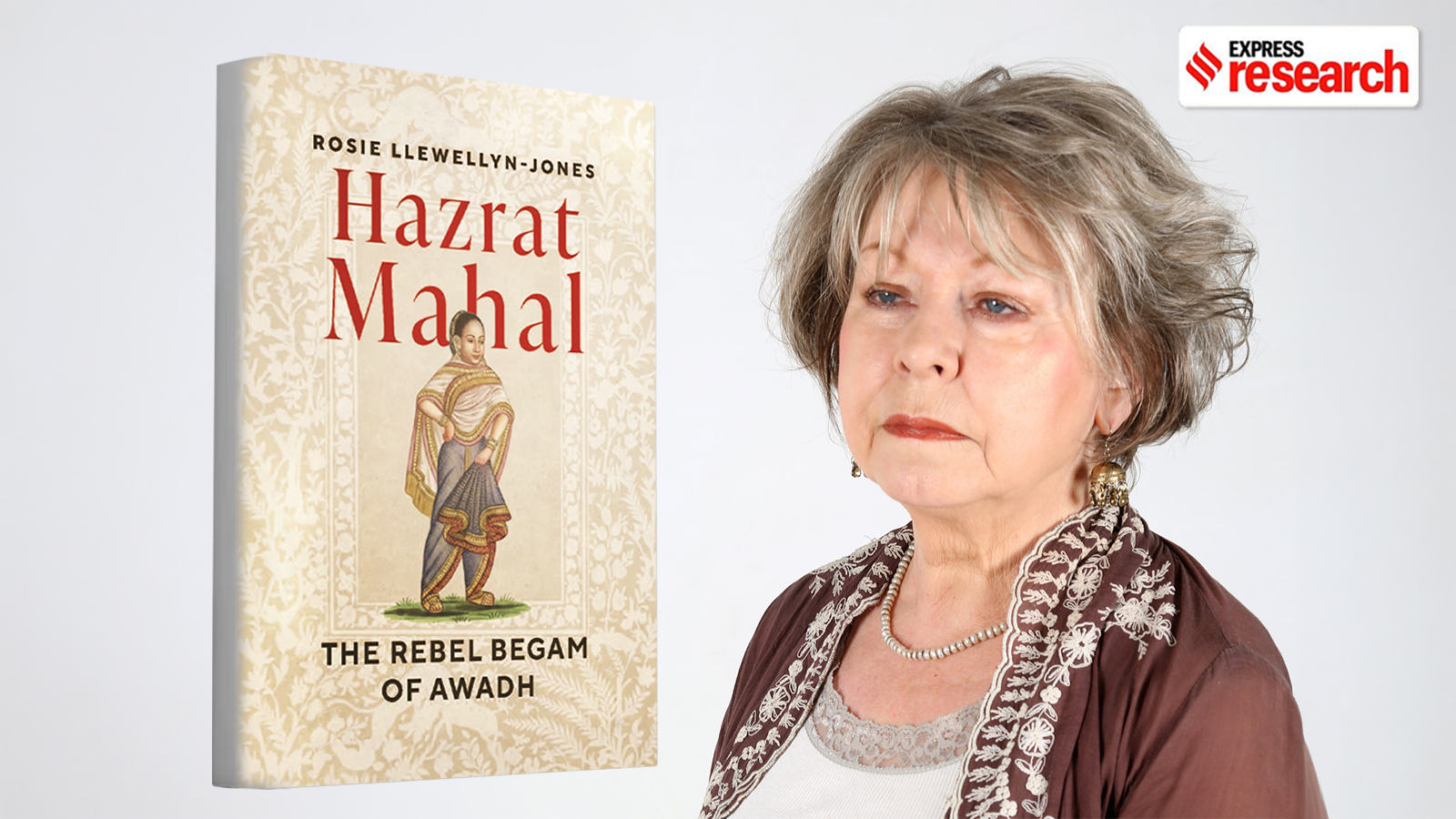
In 1856, the British annexed Awadh from Wajid Ali Shah, its last king, driving him into exile in Calcutta. His mother, sisters, brothers, wives, and servants accompanied him. However, Hazrat Mahal, Wajid Ali Shah's queen, was left behind in a story that history often overlooked. In her new book, "Hazrat Mahal: The Rebel Begam of Awadh," Rosie Llewellyn-Jones delves into the life of this woman who played a significant role in the events surrounding the annexation of Awadh.
Researching Wajid Ali Shah for her 2014 biography, "The Last King in India: Wajid Ali Shah (1822-87)," Llewellyn-Jones first encountered Hazrat Mahal. Twelve years later, she returned to her story in the new book. Reconstructing Hazrat Mahal's life was not easy, as a cyberattack on the British Library in 2023 affected access to East India Company records. However, Llewellyn-Jones turned to older accounts and eventually pieced together the story of the rebel begum.
The annexation of Awadh in February 1856 marked the end of the kingdom, which had a population of five to ten million and covered 24,000 square miles. British forces dismantled mosques, closed Muslim madrasas, and established Christian missionary schools. Hazrat Mahal strongly opposed these changes, particularly the destruction of places of worship and the spread of Christian education. The defense of Lucknow became her primary concern, but other towns in Awadh needed support as well.
Governing a kingdom without a monarch was challenging, and rival factions under Hazrat Mahal vied for power, wages, and status. The British land settlement following the annexation threatened the holdings of the taluqdars, who benefited from supporting the Begum. Additionally, some taluqdars remained ambivalent about Hazrat Mahal's regency, insisting that Wajid Ali Shah was their legitimate ruler.
The army, a volatile force, faced hostility from the king's other wives and disenchanted soldiers who had been disbanded after Wajid Ali Shah's departure. Looting erupted in Lucknow, and the transition to British rule was far from straightforward. Hazrat Mahal's origins remain uncertain, with some speculating that she came from Farrukhabad due to her connection with the singers from the city.
Written by urgent.news from The Indian Express's reporting — not their text. Machine-written — may contain errors; check the original before relying on it.