Wallabies released in New Zealand now occupy more than 200,000 hectares
Wallabies introduced to New Zealand more than a century ago have now spread across more than 200,000 hectares in the Bay of Plenty region. The animals feed on native tree seedlings, ferns and grasses, damage plantation trees and compete with livestock for pasture. Authorities warn that unchecked wallabies could eventually occupy one-third of New Zealand by 2065 and cause $84 million in annual…
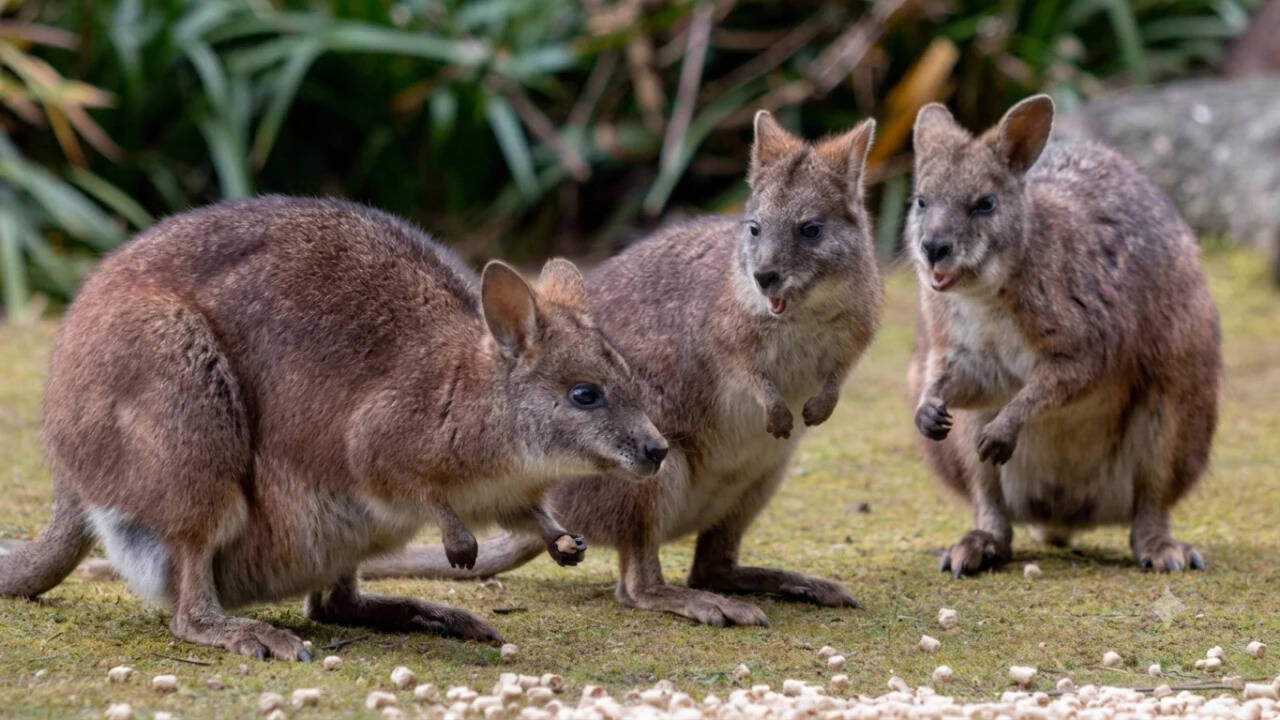
In the 1870s, the North Island of New Zealand was home to a diverse array of wildlife, including wallabies from Australia. Sir George Grey, former Prime Minister of New Zealand, introduced Dama and parma wallabies to Kawau Island, along with monkeys, zebra, and gnu. In 1912, dama wallabies from Kawau Island were released near Lake Okareka in the Bay of Plenty.
Since then, wallabies have expanded their territory across more than 200,000 hectares in the North Island. The Bay of Plenty Regional Council reports that the current range of wallabies extends from Rotorua east to Kawerau and south towards the Paeroa Range, near Reporoa and Waikite Valley. Their presence poses a threat to native forests, as they feed on native tree seedlings, ferns, and grasses, potentially preventing these plants from growing and replacing older trees.
This can gradually alter the structure and composition of native forests, impacting the food sources of native birds and other wildlife.
Moreover, wallabies can cause harm outside of native forests. On plantations, they can damage young pine and eucalyptus seedlings, while on farms, they compete with livestock for pasture, reducing the availability of food for farm animals. These wallabies are most active at night and prefer to shelter in dense forest or scrub during the day. They are capable of traveling up to 2 kilometers per year and can spread quickly if not controlled, potentially occupying one-third of New Zealand by 2065.
New Zealand's government has classified wallabies as an unwanted organism under the Biosecurity Act 1993. Breeding, selling, moving, or exhibiting wallabies without a permit is prohibited. To manage the wallaby population, the Bay of Plenty Regional Council employs different management categories, including eradication and progressive containment programs for Dama and parma wallabies. Night shooting and poisoning are among the control methods used, with the council providing guidelines for safe and humane execution.
The public is encouraged to report sightings of wallabies, as well as their tracks and droppings, which can provide evidence of their presence. Wallaby footprints are distinctive, with the long hind feet leaving tracks in sand or soft soil, and droppings are slightly larger than individual deer pellets, often resembling a tear-drop shape.
Written by urgent.news from Times of India's reporting — not their text. Machine-written — may contain errors; check the original before relying on it.
This story
This is one outlet's version. Read the fullest account.
- New Zealand released millions of brown trout; native fish paid the price timesofindia.indiatimes.com