New Zealand released millions of brown trout; native fish paid the price
In 1867, British settlers introduced brown trout to New Zealand, intending to enhance sport fishing. This decision led to the release of over sixty million trout, which had devastating effects on local fish populations, resulting in declines and even extinction of some native species. The presence of these invasive fish fundamentally changed stream ecosystems and insect behaviors, making their…
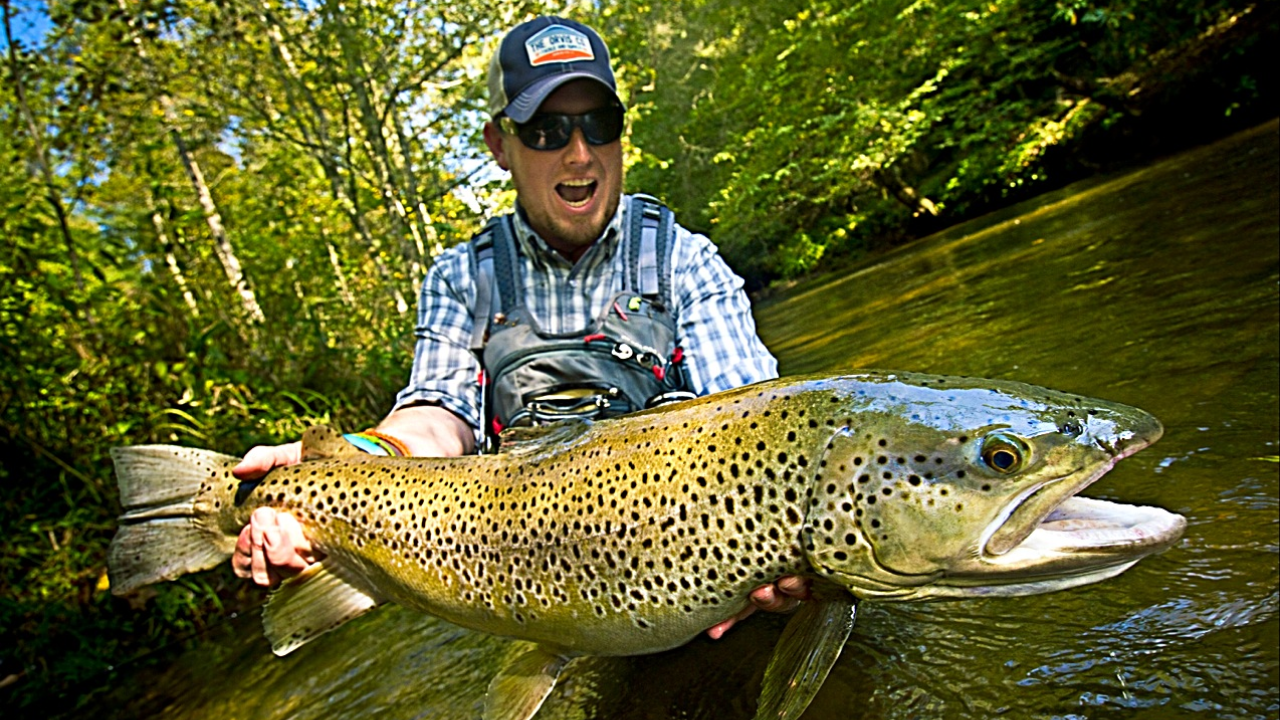
In 1867, British settlers embarked on a colonial project to introduce over 60 million brown trout into New Zealand’s rivers and streams. These settlers believed the introduction would enhance recreational fishing, mirroring the sport fishing they knew from Europe. Little did they know that this seemingly noble endeavor would become one of the most damaging biological invasions in New Zealand’s freshwater history.
Professor Colin R. Townsend’s research, published in Biological Conservation, reveals the severe impact of brown trout on native fish populations. The trout, introduced to recreate the sport fishing familiar to European settlers, quickly became a formidable predator. Native galaxiids, which had evolved in isolation for millions of years without large predators in their waterways, were particularly vulnerable.
As trout thrived, they drove native galaxiid populations out of main river channels, confining them to small and isolated tributaries.
The consequences of this invasion are far-reaching. Trout not only prey on young and adult galaxiids but also compete with them for food, exacerbating the decline of native species. New Zealand’s freshwater biodiversity has suffered significantly, with 76% of native freshwater fish species now threatened with or at risk of extinction. Species such as longfin eels, shortjaw kokopu, and several galaxiids continue to face pressure from both habitat loss and invasive species.
Beyond the decline of native fish, brown trout have altered the movement and behavior of these aquatic creatures. Galaxiids, which once freely traveled throughout river networks, are now often confined to small headwater areas due to barriers created by trout. This fragmentation of populations makes small groups more vulnerable to environmental changes, such as drought, land use alterations, and sudden pollution.
Furthermore, trout create "biological dams" in rivers, preventing native fish from moving between critical spawning areas and downstream habitats.
The impact extends to the broader ecosystem as well. Insects and other organisms living in stream ecosystems also adapt their behavior in response to the presence of trout. Grazing insects, such as mayfly nymphs, adapt their feeding habits, hiding under rocks during daylight hours to avoid predation. This behavioral shift can lead to reduced grazing on algae during the day, resulting in heavier algae growth in trout-dominated streams compared to those dominated by native galaxiids.
Managing the issue of brown trout remains a complex challenge. While New Zealand acknowledges the invasive nature of trout, the recreational fishing industry continues to be a significant factor. The Our Fresh Water 2017 report identifies trout as a primary cause of native fish declines, yet fishing interests remain protected and managed by regional Fish and Game councils.
This has led to ongoing debates between fishing enthusiasts and conservationists. In some conservation areas, authorities have implemented measures to protect remaining galaxiid populations, such as constructing artificial barriers to prevent trout from entering pristine headwater streams and using targeted removal methods like electrofishing.
However, the widespread presence of trout across thousands of kilometers makes complete eradication nearly impossible.
The legacy of the 1867 trout introduction remains deeply embedded in New Zealand’s rivers and streams. Over a century later, conservationists continue to work tirelessly to protect native fish from the lasting ecological effects of this once-intentioned act of colonial ambition.
Written by urgent.news from Times of India's reporting — not their text. Machine-written — may contain errors; check the original before relying on it.
Also reported by 1 other outlet
- Wallabies released in New Zealand now occupy more than 200,000 hectares timesofindia.indiatimes.com