Trump says China is driving opposition to US data centres. These residents disagree
On the tree-lined streets of Sterling, northern Virginia, Lindsay Shaw’s home sits across from an industrial neighbour that has consumed the past several years of her life: a data centre. When Shaw sits outside, she can hear its constant hum. At night, the security lights blaze through her window, making it harder to sleep. Gas turbines, diesel fumes, and 24/7 industrial noise have choked Shaw’s…
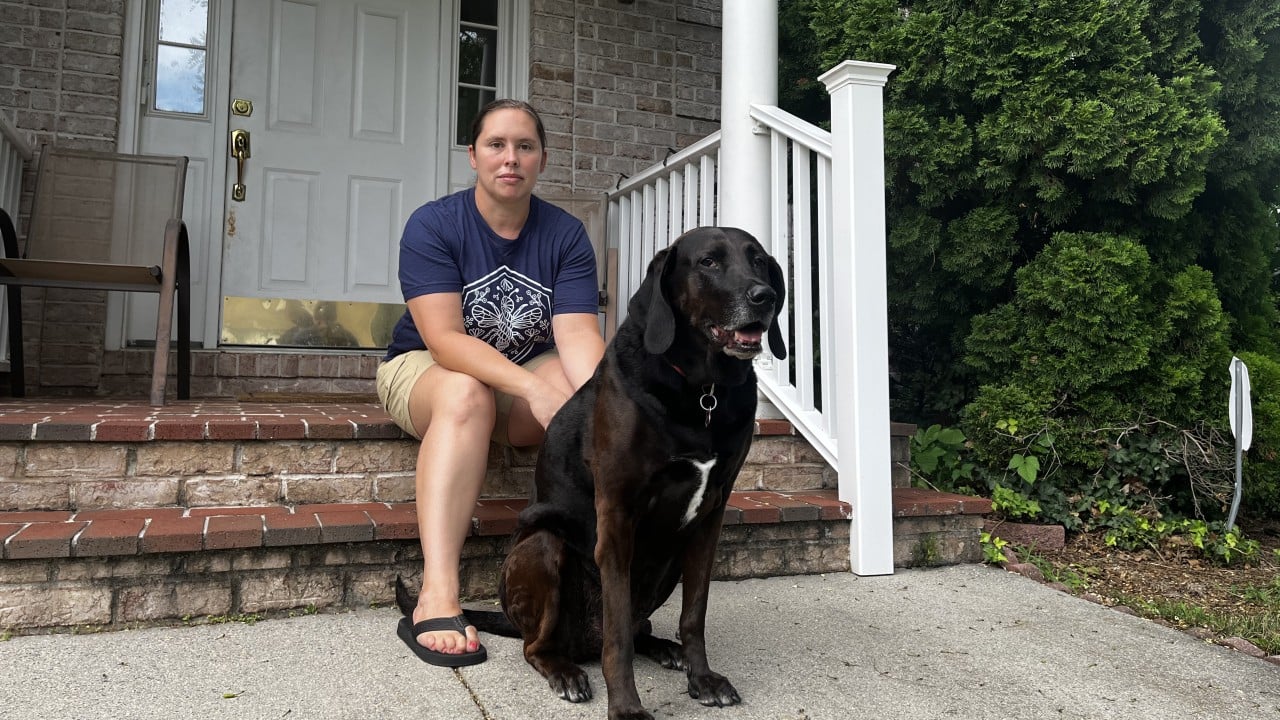
The streets of Sterling, Virginia are home to a data centre that has become the source of disturbance for residents. Homes are situated next to the noisy industrial facility, and residents such as Lindsay Shaw, who works in cybersecurity, find the constant hum, night-time security lights, and gas turbine fumes difficult to deal with.
President Donald Trump, however, insists that the opposition to such facilities is driven by China, not by local concerns about noise, emissions, and broken promises. This claim is reinforced by statements from Republican lawmakers and tech industry advocates who assert that Beijing is funding or amplifying campaigns aimed at slowing the development of AI infrastructure in the US.
Reports have alleged that China is attempting to manipulate US debates on AI and technology policy, but these do not prove that Beijing instigated the local opposition. Local opposition to data centres is widespread and undeniably organic, making it "literally impossible" for anyone to have created it through an astroturf campaign, according to Bethany Allen, a researcher at the Australian Strategic Policy Institute.
Trump's allegations of Chinese interference in US AI policy further highlight the politicisation of the issue, which some experts believe is used to deflect attention from genuine concerns of the American public.
Written by urgent.news from Reuters Business via SCMP's reporting — not their text. Machine-written — may contain errors; check the original before relying on it.