Toxic waste sites exposed in Michael Sheen documentary 'tip of the iceberg'
One scientist says there are thousands of sites across the UK that need investigating.
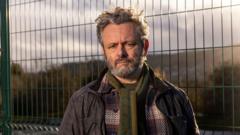
The former Monsanto worker Stephen Constance revealed that staff at the Newport factory were not provided with adequate protective equipment and were kept in the dark about the hazardous materials they were handling. Constance, who worked at Monsanto in the 1990s, expressed that the conditions were "absolutely dreadful" and that he never felt safe.
Dr. David Megson, a scientist behind the BBC documentary Buried, stated that the 14 toxic waste sites exposed were merely a small fraction of the estimated 20,000 high-concern sites in the UK. Monsanto's US plant in Newport was told in 1972 that PCBs were dangerous and closed its site due to legal action. However, the UK government allowed the company to continue importing PCBs from other parts of the world, resulting in hundreds of tonnes of the chemical being brought into the UK.
Dr. Megson revealed that the sites identified in the documentary are leaking and contain a toxic chemical cocktail, with PCBs suspected of causing cancer. Despite numerous investigations and remediation proposals over the years, some contaminated sites remain untouched.
Written by urgent.news from BBC News's reporting — not their text. Machine-written — may contain errors; check the original before relying on it.
This story
This is one outlet's version. Read the fullest account.