Teachers and staff are to protect children, not to abuse them – GNECC National Coordinator
The National Coordinator of the Ghana National Education Campaign Coalition (GNECC), Bernice Mpere-Gyekye, has called on the Ghana Education Service and school authorities to urgently implement strong safeguarding and child protection policies in schools to protect learners. She described as worrying the recent spate of sexual abuse and harassment cases reported in some Senior High […]
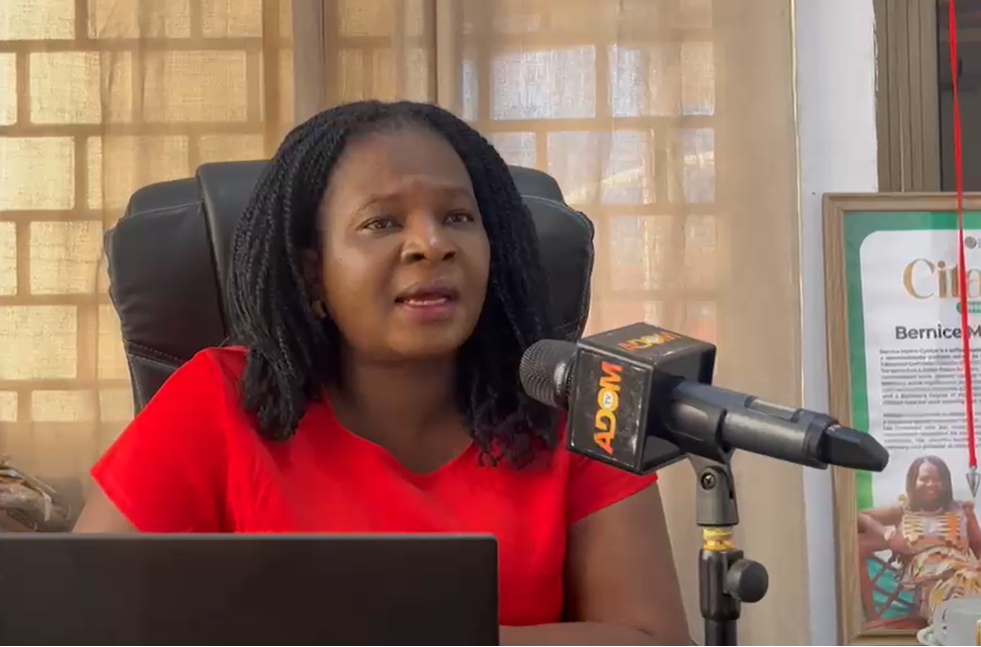
The Ghana National Education Campaign Coalition (GNECC) National Coordinator, Bernice Mpere-Gyekye, has urged the Ghana Education Service and school authorities to swiftly implement robust safeguarding and child protection policies in schools to shield learners from sexual abuse and harassment. She expressed concern over the recent surge of such cases reported in various Senior High Schools nationwide.
"The situation in schools is worrisome," she remarked. In an exclusive interview with Adom TV, following the recent scandals of sexual abuse and harassment in second-cycle institutions, Mpere-Gyekye emphasized that teachers and non-teaching staff should prioritize protecting children rather than exploiting them. "The primary duty of teachers and staff is to protect children and not to abuse them," she asserted.
She urged the Ministry of Education, GES, and Boards of second-cycle schools to move beyond empty promises and ensure that all schools have a functional, publicly disclosed child protection and safeguarding policy, clear reporting channels, and swift punishments for offenders. Mpere-Gyekye pointed out that many schools still lack clear policies, hindering victims from reporting incidents and authorities from taking decisive action, which in turn enables abusers to thrive.
Her remarks follow public outrage over allegations of sexual misconduct involving teachers and students in some SHSs, sparking renewed calls for stricter oversight and accountability in schools.
Written by urgent.news from Adom Online's reporting — not their text. Machine-written — may contain errors; check the original before relying on it.