Pumpkin spice lattes — and the backlash, and the backlash to the backlash — explained
Editor’s note, August 25, 10:15 am ET: This article was originally published in 2018 and has been updated for the start of the new PSL season. August 25 is not a day that is particularly known for feeling especially crisp or autumnal in most parts of North America. And yet it’s the day this year […]
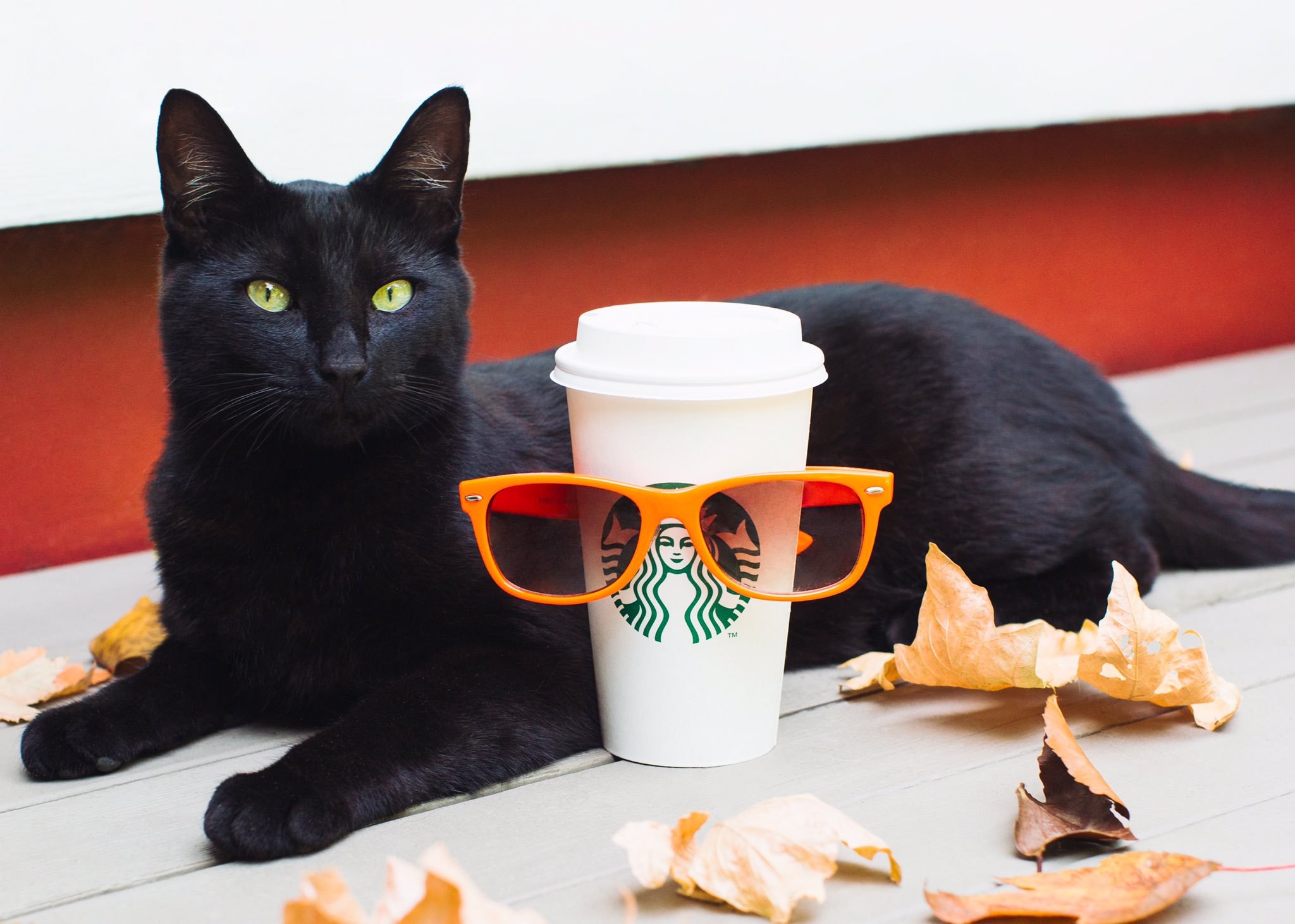
On August 25, Starbucks will unveil its annual release of the pumpkin spice latte (PSL), a beverage that has become a target of criticism despite being one of the company's most popular seasonal drinks. The PSL's origins date back to 2003, when it was thought to be too dominated by non-coffee flavors, but it quickly became a hit, selling over 200 million units within a decade.
In 2015, Starbucks replaced its previous formula with one that included actual pumpkin, further boosting its popularity. The drink's success can be attributed to its marketing, associating the beverage with fall and increasing demand during that season. However, the backlash against the PSL is not solely about its taste, but rather reflects broader anxieties around capitalism, sexism, class anxiety, and our collective skepticism of savvy marketing.
The PSL's popularity has also led to a wave of pumpkin spice-flavored products, including food items, air fresheners, and even deodorant. Some argue that the PSL's release in late August is a sign of agricultural revisionism, but the drink's timing is more about capitalizing on the seasonal creep trend and the nostalgia associated with pumpkin pie and other comfort foods.
Written by urgent.news from Vox's reporting — not their text. Machine-written — may contain errors; check the original before relying on it.