NASA’s Pandora Mission Begins Study of Exoplanets, Host Stars
Pandora, NASA’s newest exoplanet mission and the first satellite to launch through the agency’s Astrophysics Pioneers program, is now making unique observations of worlds beyond our solar system and the stars they orbit. The mission will determine the atmospheric make-up of at least 20 exoplanets, including the presence of hazes, clouds, and water. “Pandora’s data […]
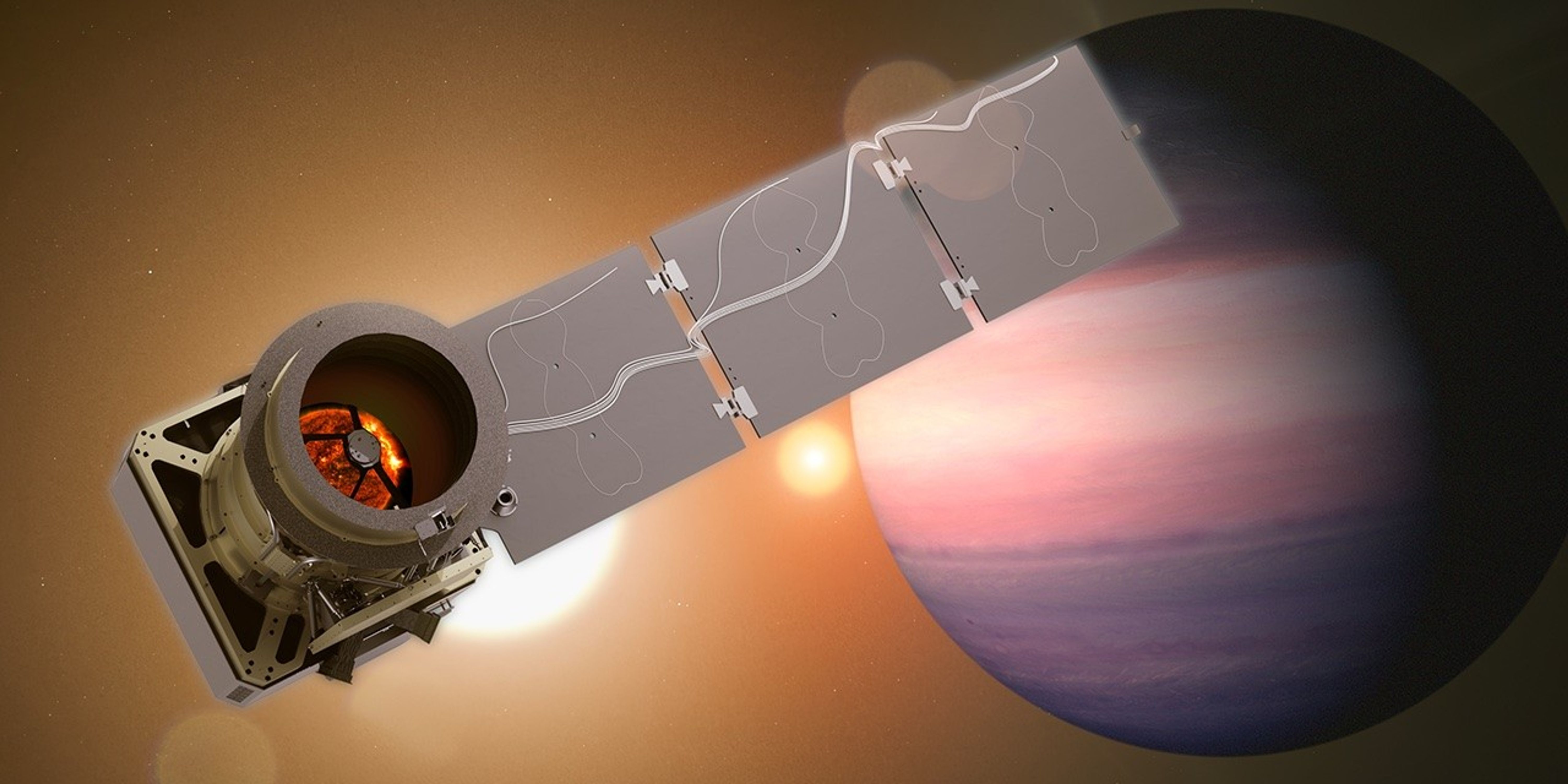
NASA's Pandora mission, the agency's newest exoplanet study, has commenced its exploration of distant worlds and their host stars. The satellite, launched from low Earth orbit on January 11, is part of the Astrophysics Pioneers program and uses a unique all-aluminum telescope to observe planets and their stars simultaneously in both visible and infrared light.
Pandora's goal is to determine the atmospheric composition of at least 20 exoplanets, including the presence of hazes, clouds, and water. The mission's data will fill a significant knowledge gap by clarifying how starlight affects measurements of exoplanet atmospheres. Principal investigator Elisa Quintana emphasized the importance of understanding this issue, as it currently hampers accurate measurements.
The spacecraft's in-depth observing program aims to better understand the complex signals from exoplanets' atmospheres and their stars. The results of Pandora will provide a solid foundation for interpreting measurements from NASA's James Webb Space Telescope and future observatories focused on finding habitable worlds. Pandora's near-infrared detector, originally developed for the Webb telescope, is a spare that has been refurbished for this mission.
Deputy project manager Jordan Karburn reported that the spacecraft is performing well and the team is confident in starting science. With its ambitious small satellite design, high tolerance for failure, and ability to observe targets for extended periods, Pandora sets itself apart from flagship observatories like the Webb. Its three key features include the novel telescope, simultaneous study of planets and stars in both visible and infrared light, and extended observation time.
Written by urgent.news from NASA's reporting — not their text. Machine-written — may contain errors; check the original before relying on it.
This story
This is one outlet's version. Read the fullest account.
- NASA’s Pandora Mission Begins Study of Exoplanets, Host Stars science.nasa.gov