More protein in your breakfast or snacks won’t give you more muscle without more work – a biologist separates the science from the marketing
Protein is not just “muscle food.” It is needed throughout your body, even though the marketing of protein-rich foods focuses on muscle
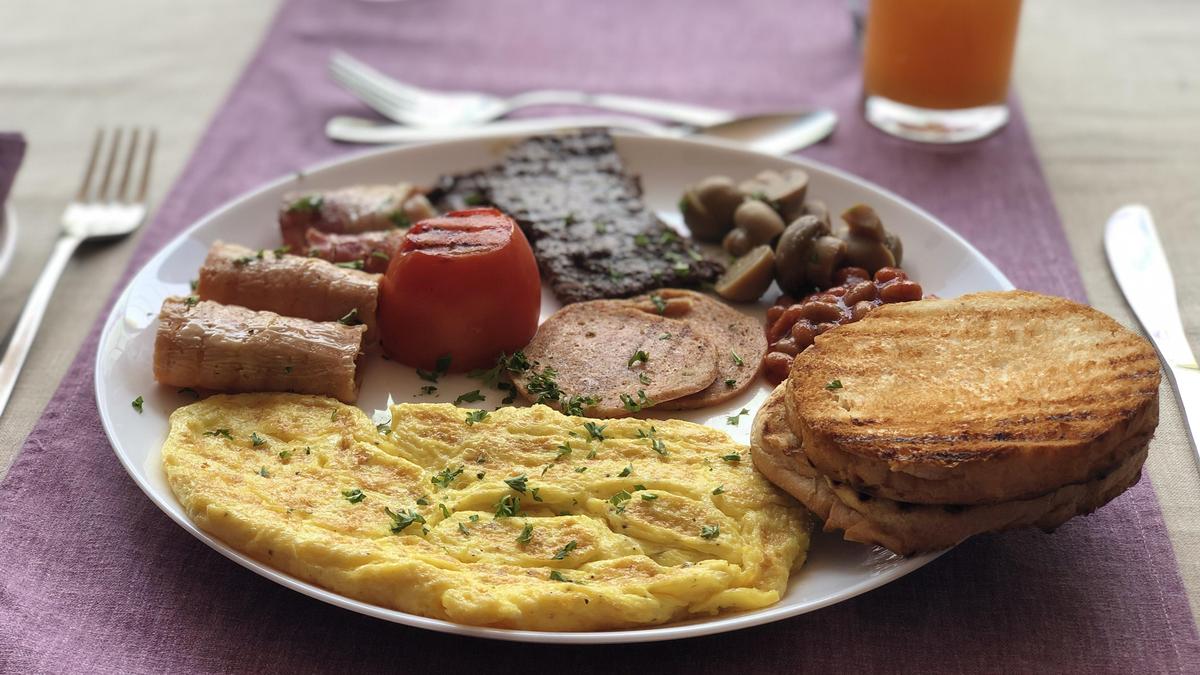
The tale of protein in breakfast and snacks exposes the divide between scientific facts and marketing hype. During his youth, the author's brothers were inspired by Rocky Balboa's raw egg drinking ritual in the first "Rocky" film, a scene that symbolized raw toughness rather than scientific muscle-building. Today, protein shakes, bars, and even protein-fortified Pop-Tarts populate grocery aisles.
Protein is indeed crucial, comprising one of three macronutrients essential for bodily function alongside carbohydrates and fats. It aids in muscle and organ repair, including the heart and nervous system. However, overemphasizing protein in food marketing often overlooks the myriad roles it plays beyond muscle building. Proteins, composed of 20 amino acids, are vital for the immune system, hormones, skin, and more.
Essential amino acids, nine in total, must be sourced from food since the body cannot produce them. Animal proteins generally offer a complete set of these essential amino acids, while many plant proteins lack one or more. The recently updated U.S. dietary guidelines recommend 1.2 to 1.6 grams of protein per kilogram of body weight daily for adults, nearly double the previous standard.
While protein aids in weight loss by promoting satiety, excessive intake may harm kidney health and digestive systems. Despite the benefits, the average healthy adult likely consumes sufficient protein through a balanced diet. Consulting professionals can help tailor personal protein intake to individual health goals.
Written by urgent.news from The Hindu - Sci-Tech's reporting — not their text. Machine-written — may contain errors; check the original before relying on it.
This story
This is one outlet's version. Read the fullest account.