More protein in your breakfast or snacks won’t give you more muscle without more work – a biologist separates the science from the marketing
Protein is not just “muscle food.” It is needed throughout your body, even though the marketing of protein-rich foods focuses on muscle
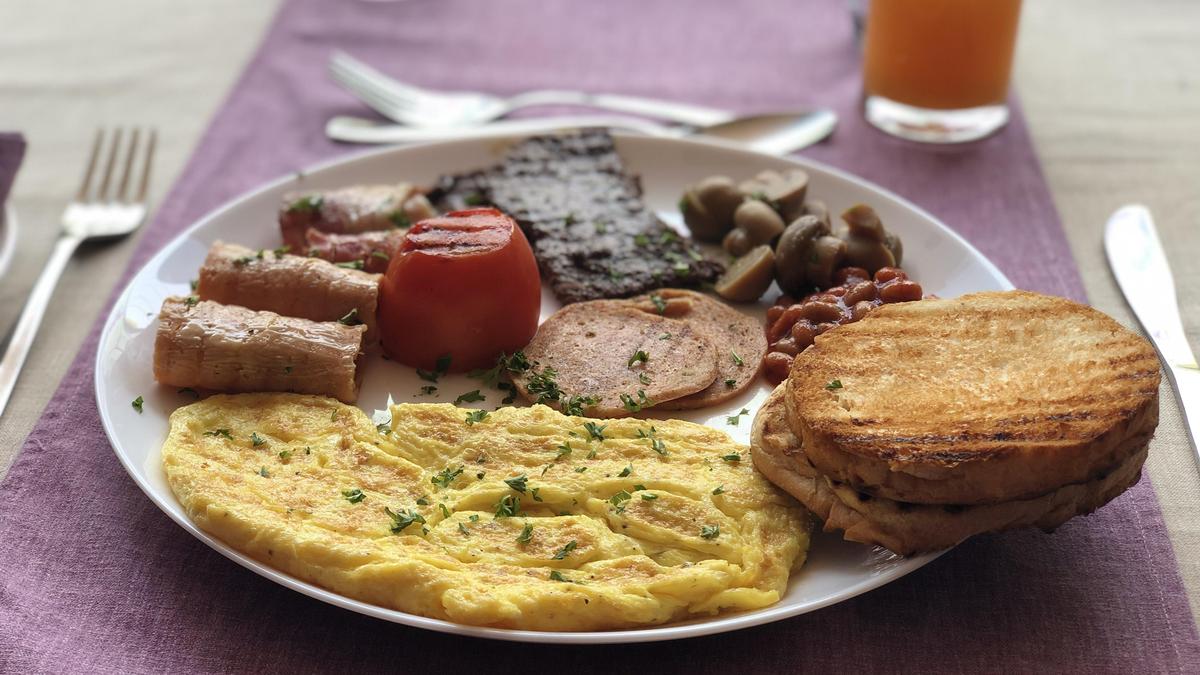
The article explores the science behind protein intake and its impact on muscle development, separating fact from marketing hype. Protein is essential for building and repairing muscles, as well as maintaining other vital body functions like nerve and immune system health. However, consuming more protein alone doesn't automatically lead to increased muscle mass without proper exercise and effort.
Protein is one of the three macronutrients - along with carbohydrates and fats - that our bodies need in adequate amounts for optimal functioning. It's also crucial for the nervous system, immune system, skin, hormones, and other essential components. While proteins are primarily associated with muscle development, they play a significant role in various other bodily functions as well.
The human body obtains amino acids through the digestion of proteins consumed in our diets. There are 20 different types of amino acids, and their combination and number, along with the structure of the proteins they form, determine their specific functions within the body. The body acquires these amino acids by breaking down the proteins we eat.
Essential amino acids cannot be produced by the human body and must be obtained from food. Out of the 20 amino acids, nine are considered essential. Animal-based proteins like eggs, dairy, fish, poultry, and lean meats are typically good sources of these essential amino acids. Most plant-based proteins, however, are deficient in one or more essential amino acids. The exception to this is soybeans, which provide a complete set of essential amino acids.
The recommended dietary allowance (RDA) for protein is 0.8 grams per kilogram of body weight. As of January 2026, the U.S. government increased the adult RDA for dietary protein to 1.2 to 1.6 grams per kilogram. A 150-pound individual would need to consume between 80 to 110 grams of protein daily to meet this guideline. Some experts interpret this change as focusing on optimizing health rather than solely ensuring adequate protein intake to prevent deficiencies.
However, the appropriate amount of protein needed varies depending on individual health goals, age, sex, activity level, medical history, and other factors.
Consuming high-protein diets for weight loss has been popular due to the feeling of fullness that protein consumption can induce. A 2026 study found a connection between the amino acid leucine and appetite suppression through the gut-brain connection. While suppressing appetite may aid in weight loss, it may also lead to reduced consumption of fiber-rich, nutrient-dense foods like fruits, vegetables, beans, and whole grains.
Written by urgent.news from The Hindu Health's reporting — not their text. Machine-written — may contain errors; check the original before relying on it.