Language, Livelihoods And The City Built By Migrants
Mumbai’s recent drive to enforce working knowledge of Marathi among autorickshaw and taxi drivers has already altered the city’s commuting patterns. Drivers are changing routes to avoid checks near stations and commercial centres, some are temporarily withdrawing vehicles, and pockets of the city are reporting shortages. The policy is framed as a practical step toward better communication between…
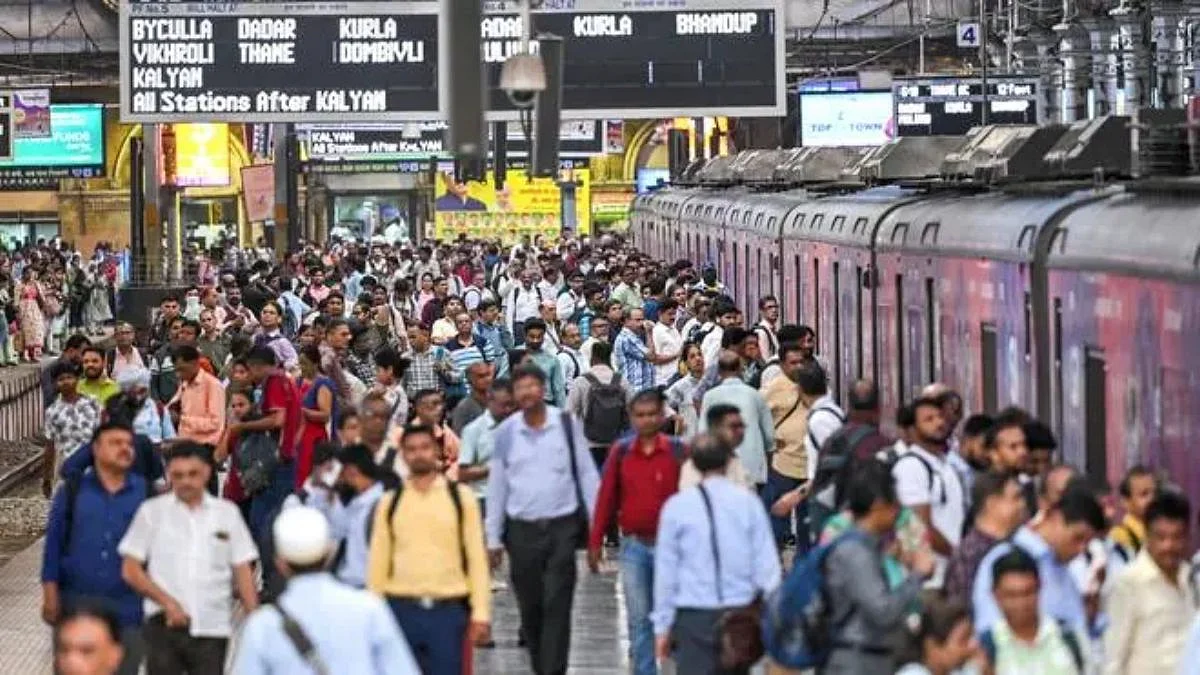
Mumbai’s recent initiative to mandate Marathi proficiency for taxi and autorickshaw drivers has disrupted the city's commuting dynamics. Some drivers are avoiding certain routes to bypass inspections, others have temporarily halted their services, leading to noticeable shortages in specific areas. While the policy aims to improve communication between drivers and passengers, its practicality in Mumbai's unique context is questionable.
Mumbai's development owes much to the labor of successive waves of migrants; from the Kamathis who built the city's physical foundation in the 19th and early 20th centuries to the Shettys in the 1990s who dominated the construction industry during the liberalization era. Business and stock markets in Mumbai have predominantly operated in Gujarati, a fact that needs no further explanation.
Language, however, has never been the sole binding force of this city. Contribution from diverse communities has been equally vital. For an auto or taxi driver to operate in the public domain, proficiency in Marathi is now a prerequisite. However, efforts to train drivers in Marathi have fallen short, as evidenced by training videos that reveal a disconnect between formal instruction and colloquial Mumbai Marathi.
Auto and taxi unions are now seeking a three-month extension to comply with the Marathi language rule. The formal training facilities prescribed by the government fall short of providing the necessary practical knowledge. Drivers are left to find tutorials independently, highlighting the stark contrast between policy mandates and practical means.
The regional transport offices' limited enforcement capacity further complicates the situation. In a city where the public transport system still suffers from significant last-mile connectivity gaps, auto and taxi drivers serve a function that the formal network has yet to fully replace. Directing their capacity towards contentious issues like underage driving or vehicle fitness may be more beneficial than focusing on language proficiency for drivers already providing an essential service.
While language requirements are not inherently unreasonable, in a city built by successive waves of migrants and still dependent on their labor, any such requirement must be matched by accessible and practical language training that reflects the actual street language of Mumbai. Without this, the policy risks creating shortages and friction while only partially addressing the original communication challenge.
Ankieta Kothari, founder of The Bombay Blueprint, a public platform chronicling Mumbai's architecture, heritage, and evolving urban landscape, emphasizes the importance of aligning policy with the city's lived reality.
Written by urgent.news from Free Press Journal's reporting — not their text. Machine-written — may contain errors; check the original before relying on it.