Kazakhstan is no longer safe for anti-war Russians. So why are so many still staying?
Kazakhstan is one of the most popular destinations for anti-war Russians who have left the country. In the first weeks after the mobilization, more than 400,000 people arrived here from Russia. The main reasons: Russians can enter the country without an international passport, Russian is widely understood, and it’s fairly easy to legalize one’s status. In 2026, however, Kazakhstan turned into a…
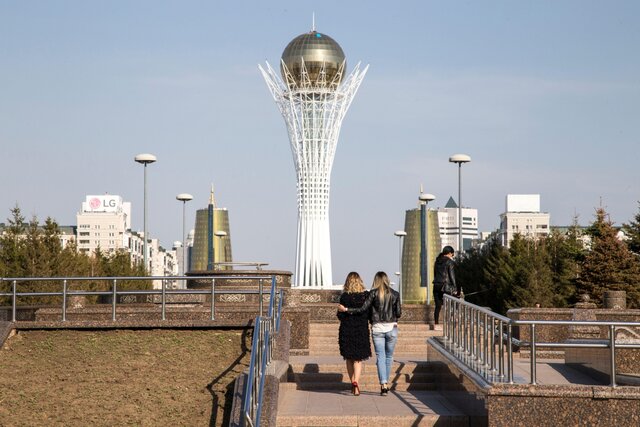
In the first weeks following Russia's mobilization, over 400,000 Russians arrived in Astana, Kazakhstan. For many, the reasons were straightforward: entry without an international passport, a common language, and an accessible pathway to legalize their status. However, within a single month, Kazakhstan transformed into a dangerous environment for Russian migrants.
Kazakh authorities have been regularly detaining Russians and, at times, extraditing them at Russia's request. Additionally, obtaining a residence permit has become more challenging, and Russians have been summoned for questioning as part of a criminal case concerning forged temporary residence permits. Kazakhstan's shift towards authoritarianism is also evident; Kassym-Jomart Tokayev, the President, recently re-setted his presidential term count, and independent journalists are now facing prosecution.
Despite these risks, a significant number of Russians who arrived in 2022—potentially as many as 80,000—continue to reside in Kazakhstan. Meduza interviewed five of these individuals to understand their experiences and reasons for staying in a country that has become increasingly hostile. Alexandra, a software tester, moved to Astana a year ago due to existing contacts and the ease of establishing a presence.
She initially considered leaving Russia in February 2022 but ultimately decided to remain, fearing the state's ability to track down activists and left-wing donors. Her husband, unable to work remotely, stayed behind, visiting her regularly. Alexandra found Kazakhstan to be incredibly welcoming, with low costs, no language barriers, and a strong sense of community.
She acknowledged that while the government's recent actions are excessive, they seem more targeted at individuals from Central Asia than Russians. Alexandra believes the Kazakhstani government is positioning itself as a forward-looking nation focused on international trade and technology, even setting up a Ministry of Artificial Intelligence and Digital Development.
However, she thinks the new restrictions may be overreach and could be reconsidered. Despite the challenges, Alexandra remains optimistic about Kazakhstan's potential and is confident that the government will soften its stance over time.
Written by urgent.news from Meduza (English)'s reporting — not their text. Machine-written — may contain errors; check the original before relying on it.