I'm a pro photographer — here's how I'm going to capture the extraordinary lunar eclipse blood moon on August 27-28
North and South America are ideally placed for the 96.2% partial lunar eclipse on August 27-28, while viewers across Europe should see the height of the eclipse just before moonset and dawn.
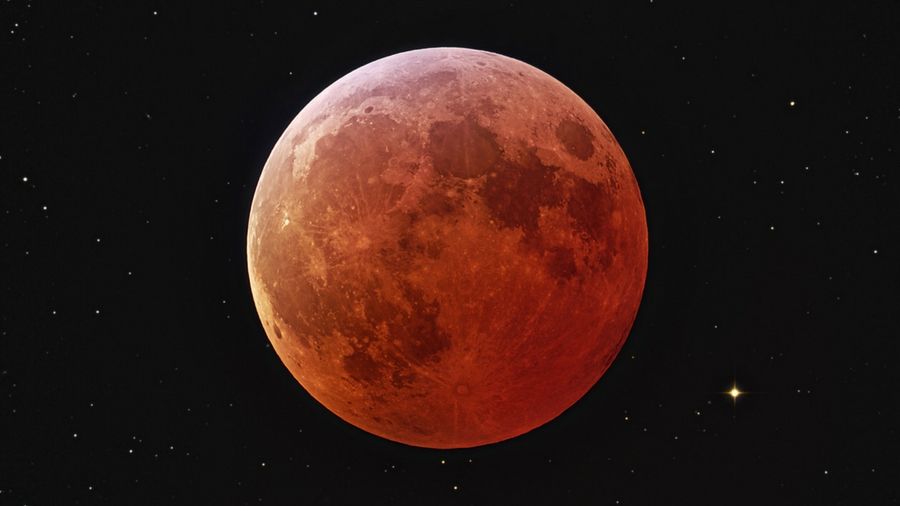
This August, the cosmos will once again dazzle with a mesmerizing lunar eclipse. Following the total solar eclipse and the Perseid meteor shower, sky gazers in North America, South America, Europe, Africa, and Western Asia will have the chance to witness a 96.2% lunar eclipse and a spectacular "blood moon" on August 27-28. Although it's not a total lunar eclipse, this one is expected to be the best until the new year's total eclipse on December 31, 2028.
Viewers in North America and South America, as well as the western half of Europe and Africa, will be in the best position to observe the eclipse, with its maximum occurring at 12:12am ET on August 27. Meanwhile, those in eastern Europe and western Asia will be able to see the eclipse during the penumbral and partial phases but won't be able to witness the peak.
The eclipse will last for approximately five hours, but the key action will take place around its maximum. In cities like New York, the event kicks off with a penumbral eclipse at 21:23pm ET on August 27, with the partial eclipse beginning at 22:33pm. The moon will reach a viewing altitude of 38.3 degrees at 00:12am ET on August 28, providing a relatively high sky for photography.
To capture the lunar eclipse, a telephoto lens with a 600mm-equivalent focal length is recommended to fill most of the frame with the moon. For those using smartphones, the optical zoom reach is limited, making it a more challenging task. Regardless of the equipment used, this celestial event promises to be a breathtaking sight worth capturing.
Written by urgent.news from TechRadar's reporting — not their text. Machine-written — may contain errors; check the original before relying on it.
Also reported by 8 other outlets
- Oman to witness brief penumbral lunar eclipse on August 28 gulfnews.com
- Partial Lunar Eclipse Aug. 27-28: What Time to See the 96% ‘Blood Moon’ in Colombia colombiaone.com
- The 12 August 2026 partial solar eclipse as seen from the Isle of Wight physicsworld.com
- How to view the lunar eclipse from Germany on August 28th thelocal.de
- Partial lunar eclipse to grace German skies on August 28 iamexpat.de
- How to See the Partial Lunar Eclipse and Blood Moon on August 27 wired.com
- The August 2026 Sturgeon Moon Will Turn Coppery During a Partial Lunar Eclipse discovermagazine.com
- UK to See Blood Moon as Partial Lunar Eclipse Peaks on August 28 en.tempo.co