Cavers broke through a New Mexico pit to uncover 145 miles of Lechuguilla Cave
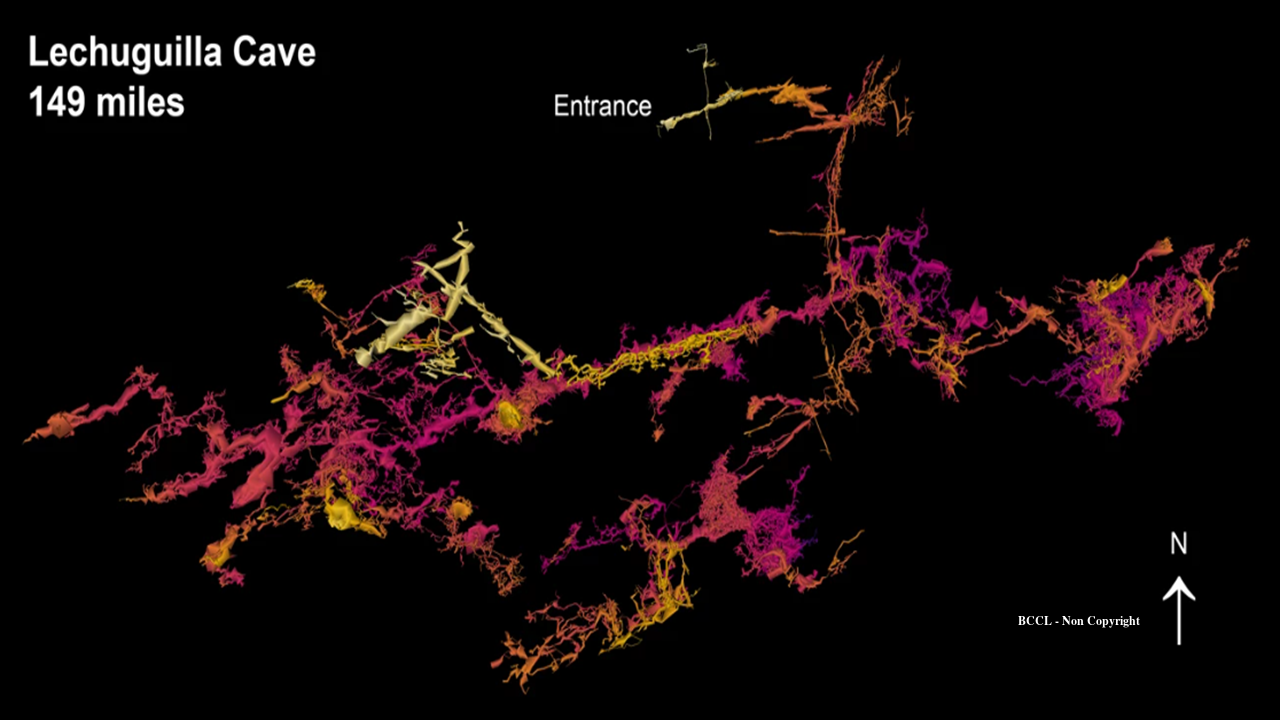
On May 26, 1986, cavers made a groundbreaking discovery when they broke through into Lechuguilla Cave in New Mexico's Guadalupe Mountains. Up until then, the cave was just a 90-foot entrance pit with 400 feet of dry, dead-end passages, primarily mined for bat guano. However, whispers of hidden passages from wind moving through rubble inspired a team of Colorado cavers to delve deeper in 1984, eventually leading to the massive opening.
Lechuguilla Cave quickly became one of the most significant cave discoveries in modern history, with explorers mapping over 145 miles (233 km) of passages and pushing its known depth to 1,604 feet (489 m). Beyond its impressive size, the cave boasts an intricate network of rooms, shafts, and corridors, drawing cavers from around the globe who marvel at its unique beauty and uncover its rare formations. Among these are 20-foot gypsum "chandeliers," delicate gypsum hairs, soda straws, and hydromagnesite balloons.
What sets Lechuguilla Cave apart is its scientific importance. As a natural laboratory, the cave provides researchers with the opportunity to study five distinct geologic formations within the same system, including the potential presence of rare chemolithoautotrophic bacteria that could have medicinal qualities beneficial to humans.
Access to the cave is tightly controlled due to concerns about oil and gas drilling contaminating the cave, which could kill cave-adapted life, destroy delicate formations, and threaten the safety of people inside.
Written by urgent.news from Times of India's reporting — not their text. Machine-written — may contain errors; check the original before relying on it.