Explainer-What are H-1B visas for skilled workers and what changes loom?
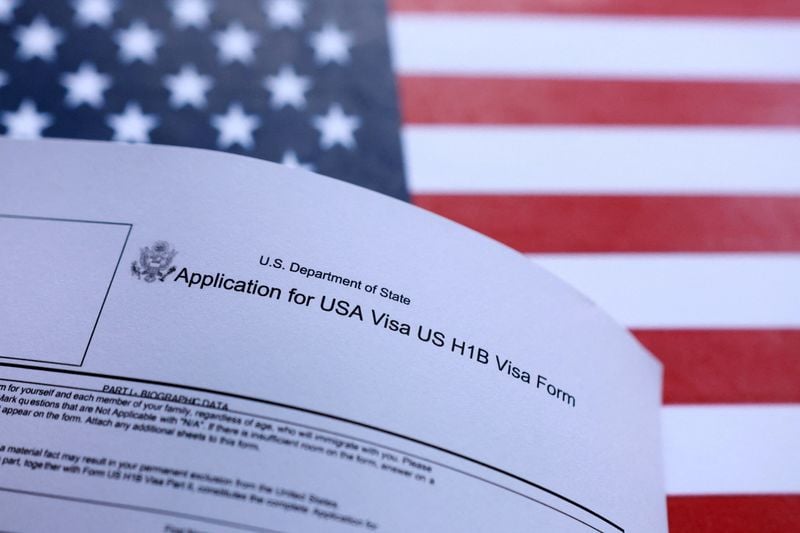
The H-1B visa program, established by Congress in 1990, allows U.S. employers to hire foreign workers with specialized skills for a few years. These visas are crucial for tech companies seeking talent from countries like India and China. Companies such as Tesla, Amazon, and Deloitte are among the top sponsors of H-1B visas.
However, President Donald Trump has been critical of the program, proposing to raise the fee from $2,000 to $5,000 to a whopping $100,000. This fee hike faced multiple lawsuits and is currently set to expire in September. The Department of Homeland Security has now proposed to make the fee a permanent $103,265.
The proposed fee increase has sparked debate. Some argue it would deter companies from employing foreign workers, while others say it's necessary to attract highly skilled professionals and address labor shortages in certain industries. Despite criticism, businesses argue that H-1B visas are vital for recruiting top talent and filling gaps left by a lack of qualified American workers.
The future of the H-1B program hinges on ongoing legal challenges. A Boston-based appeals court is currently reviewing a federal judge's June decision blocking the $100,000 fee. Other courts are also weighing in on the matter. Democratic-led states, unions, and employers have also filed lawsuits challenging the new rule. The outcome of these legal battles could significantly impact the future of H-1B visas and the hiring practices of U.S. companies.
Written by urgent.news from Investing.com's reporting — not their text. Machine-written — may contain errors; check the original before relying on it.