Border Wall Construction Threatens 6,000 Years of History on Private Lands
Archeologists are confronting an “unfathomable” loss as border wall construction is set to cut across ranches that are home to unique historical sites, many of which haven’t been fully studied.
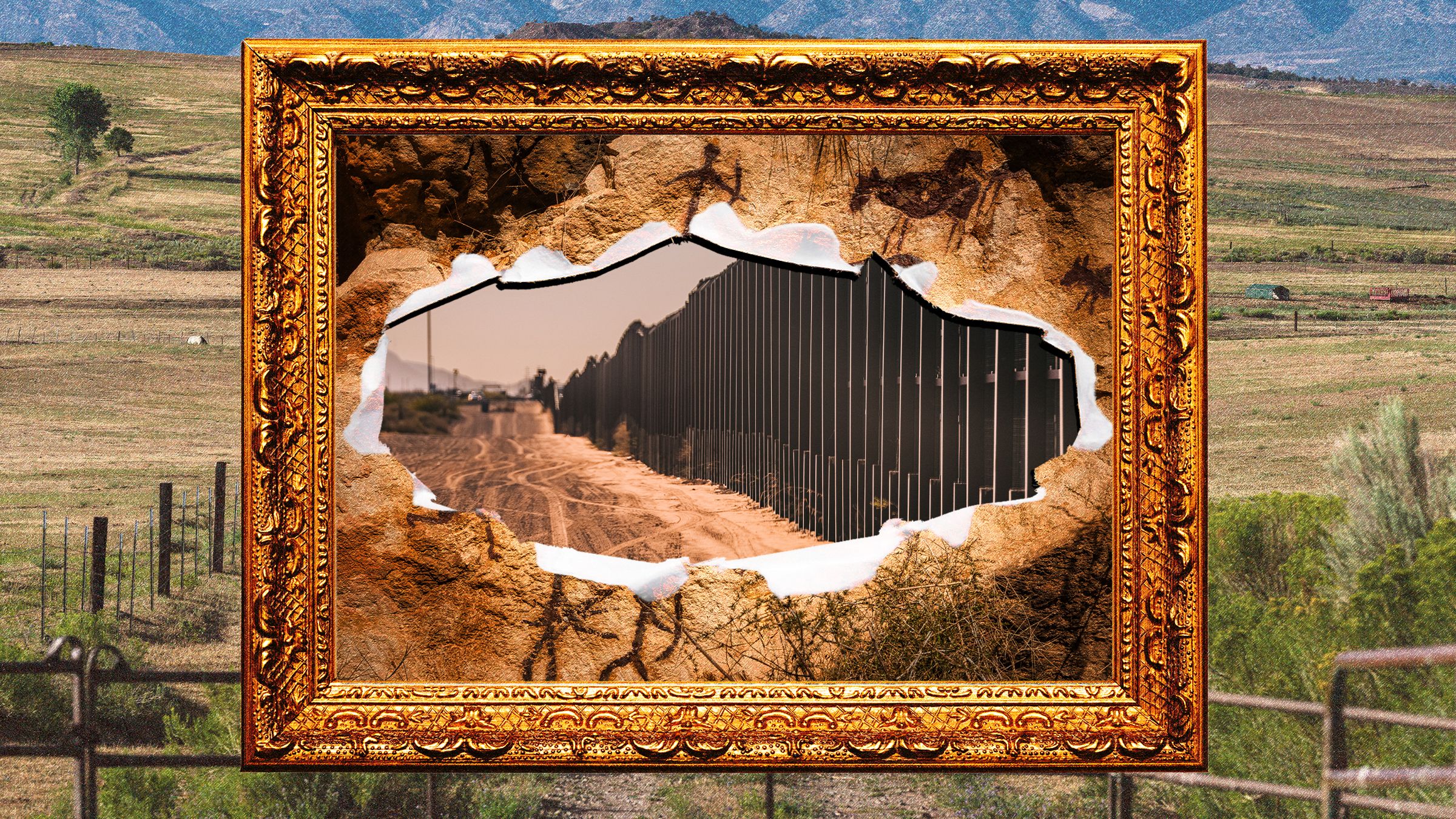
The US Department of Homeland Security and Customs and Border Protection have awarded billions of dollars in contracts for the construction of a wall and other barriers along the US-Mexico border in West Texas, spanning a 500-plus-mile (800-plus-kilometer) riverfront area. This includes portions of Big Bend National Park, which has sparked bipartisan backlash.
In response to the criticism, DHS modified its plans, opting for vehicle barriers and road construction instead of a 30-foot steel bollard wall. Bulldozing began near Santa Elena Canyon on August 6, but the agency is still planning to construct the wall and road network in mountainous and canyonous areas outside the park, affecting private property owned by ranchers and archeologists who are concerned about the potential damage to historical sites.
Archeologist Bryon Schroeder, who has been excavating on rancher Jeff Fort's land, has uncovered artifacts dating back to AD 800, including pottery and marine shells, which suggests trade connections beyond the region. The site, Canta Recio, could be destroyed if the wall is built. Other archeological sites, such as the Polvo site, Eagle Nest Canyon, and Painted Shelter, are also at risk due to construction activities.
Rock art expert Carolyn Boyd emphasizes the importance of these sites, which date back 6,000 years, in preserving human knowledge and cosmologies. Despite federal laws aimed at protecting National Historic Landmarks, construction activities may still pose a threat to these sites.
Written by urgent.news from Wired's reporting — not their text. Machine-written — may contain errors; check the original before relying on it.