Border Wall Construction Threatens 6,000 Years of History on Private Lands
Archeologists are confronting an “unfathomable” loss as border wall construction is set to cut across ranches that are home to unique historical sites, many of which haven’t been fully studied.
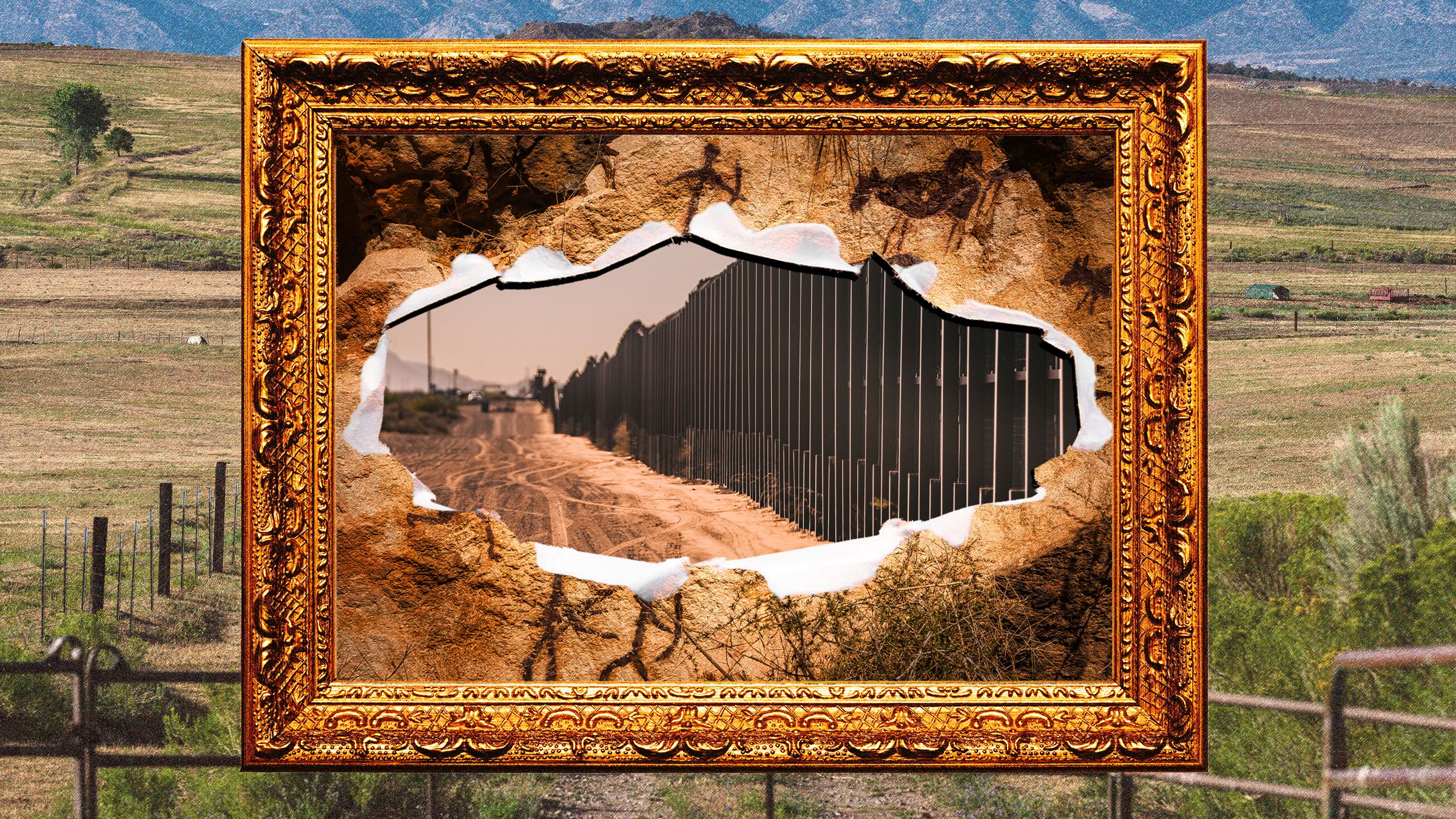
The US Department of Homeland Security and Customs and Border Protection have awarded billions of dollars in contracts to construct a wall and barriers in West Texas along a 500-mile stretch of the US-Mexico border, which includes Big Bend National Park and other scenic areas. The plan initially involved a 30-foot steel bollard wall, but was replaced with vehicle barriers and road construction after bipartisan opposition.
Bulldozers began clearing along the Rio Grande near Santa Elena Canyon in August, but construction has since been paused due to lawsuits. However, the agency still plans to build the wall and roads beyond the park, including on private property. Ranchers and landowners worry that construction will bisect their land and damage archeological sites, many of which have not been fully studied.
Archeologist Bryon Schroeder has been digging at Canta Recio, a dig site directly in the wall's path, for two years and has uncovered artifacts dating back to AD 800. He likens the site to Egyptian settlements along the Nile, suggesting it was occupied multiple times between 800 and 1400. Schroeder fears the wall will destroy the site, as well as other nearby areas slated for construction, including the Polvo site with a 1300s burial ground, Eagle Nest Canyon with a prehistoric village and Spanish mission, and Painted Shelter, a 6,000-year-old rock art site.
Patrick Zuberbueler, whose family's property in Comstock, Texas includes some of the most significant rock art in the region, also worries about the impact on his property. Despite federal laws aiming to minimize harm to National Historic Landmarks, the agency is conducting reviews to balance operational needs with land stewardship, but previous studies haven't prevented destruction of important sites.
Written by urgent.news from Wired Science's reporting — not their text. Machine-written — may contain errors; check the original before relying on it.
This story
This is one outlet's version. Read the fullest account.