Big science seeks big wins from sustainability efforts
Joe McEntee examines attempts to make particle accelerators more sustainable The post Big science seeks big wins from sustainability efforts appeared first on Physics World .
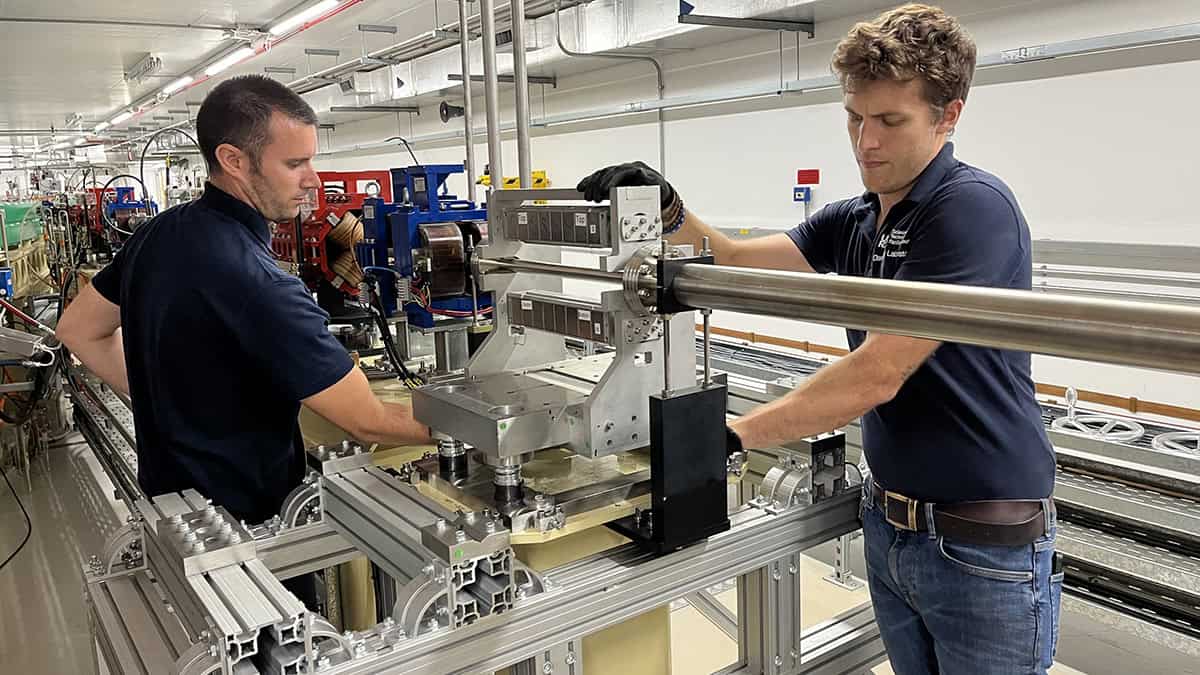
Big science is increasingly looking towards sustainability, as the energy requirements of larger accelerator facilities become a growing concern. The Large Hadron Collider (LHC) at CERN, for instance, consumes around 695 gigawatt-hours of electricity per year, accounting for nearly 95% of the lab's total electricity use. With the construction of even larger accelerators on the horizon, such as CERN's High Luminosity LHC and China's proposed 100 km collider, the environmental impact of these facilities is a pressing issue.
In response, accelerator scientists and sustainability experts from the UK, Switzerland, and Germany have published a "living document" that emphasizes the importance of integrating environmental sustainability throughout the planning, construction, operation, and decommissioning of large-scale accelerator facilities. The guidelines include 110 practical recommendations for reducing energy consumption, improving resource efficiency, and minimizing the overall environmental footprint of these research facilities.
By prioritizing sustainability in the design and operation of accelerators, the scientific community aims to balance progress with environmental responsibility.
Written by urgent.news from Physics World's reporting — not their text. Machine-written — may contain errors; check the original before relying on it.