Woodlands and other natural spaces could help cities cope with extreme heat
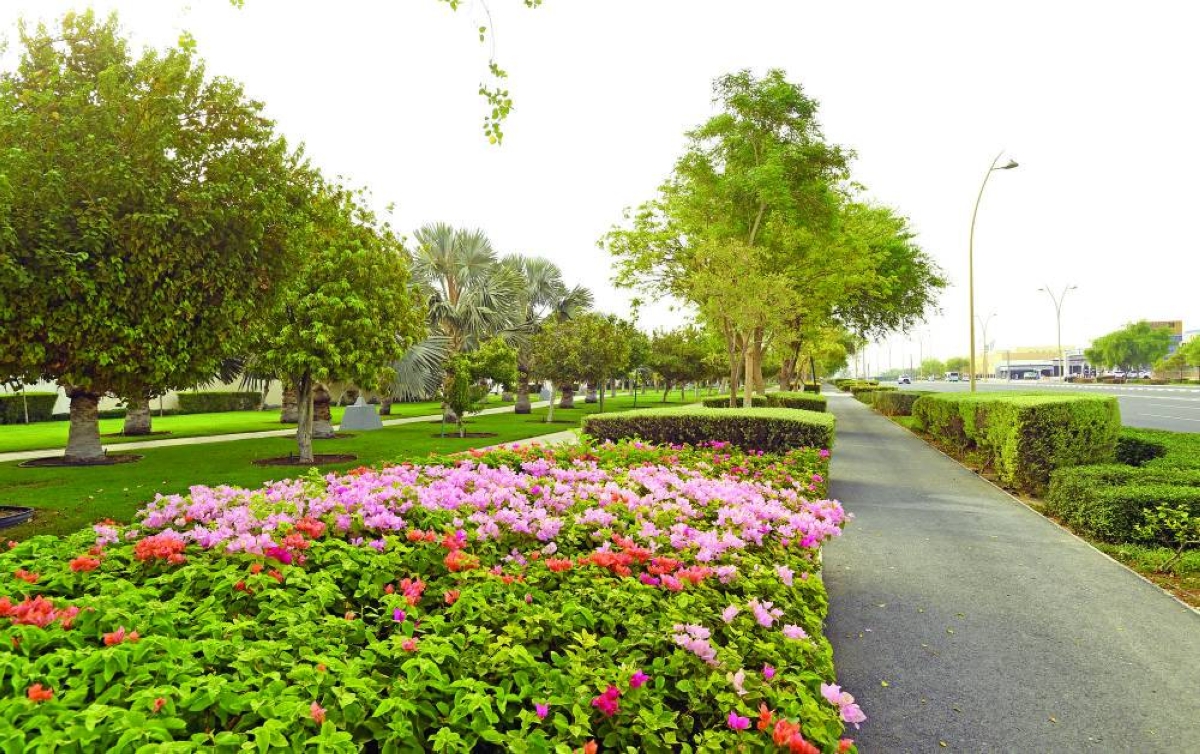
Green and blue spaces, such as woodlands and riversides, could provide a vital line of defense for cities facing increasingly hot summers, according to new research from the University of Surrey.

New research from the University of Surrey suggests that woodlands and other natural spaces in cities could play a crucial role in mitigating extreme heat during summer months. A study published in Environment International monitored temperatures across six different green and blue environments - woodland, lakeside, grassland, a pocket park, riverside, and a green wall - in Guildford, England, over three summers from 2023 to 2025.
Compared to a built-up area nearby, all six green and blue sites were significantly cooler during peak summer hours. The woodland site, in particular, was found to be around 2.5°C cooler on average, with differences reaching up to 4.5°C during extreme heat events. Grassland, lakeside, and the pocket park were also cooler than the built-up area, with average differences of 2.3°C, 2.1°C, and around 4°C, respectively.
Over the three summers, the built-up area experienced 54 heat wave days, while all six green and blue spaces experienced significantly less exposure to extreme heat. The woodland site, in fact, had no heat wave conditions at all, highlighting the potential of natural spaces in reducing the impact of rising temperatures in urban areas.
Professor Prashant Kumar, founding director of GCARE, emphasized that while there is no one-size-fits-all solution, integrating trees, green spaces, and water into city planning is essential for preparing towns and cities for a warmer climate. The study, conducted as part of GCARE's Guildford Living Lab, used a network of sensors and satellite data to record temperature and humidity every minute at the seven locations.
However, the researchers cautioned that the findings may not be universally applicable, as each type of green and blue infrastructure was represented by only one location, which could have influenced the results. Future research could explore the cooling effects of multiple examples of each type and how their impacts extend beyond the immediate site into surrounding streets and neighborhoods.
Written by urgent.news from Phys.org's reporting — not their text. Machine-written — may contain errors; check the original before relying on it.