Native species, sustained care key to Qatar’s tree-planting drive: experts
The ongoing efforts to expand tree planting and rehabilitate natural meadows (rawda) would improve the overall quality of life and help maintain the health of the local environment, several environmen...
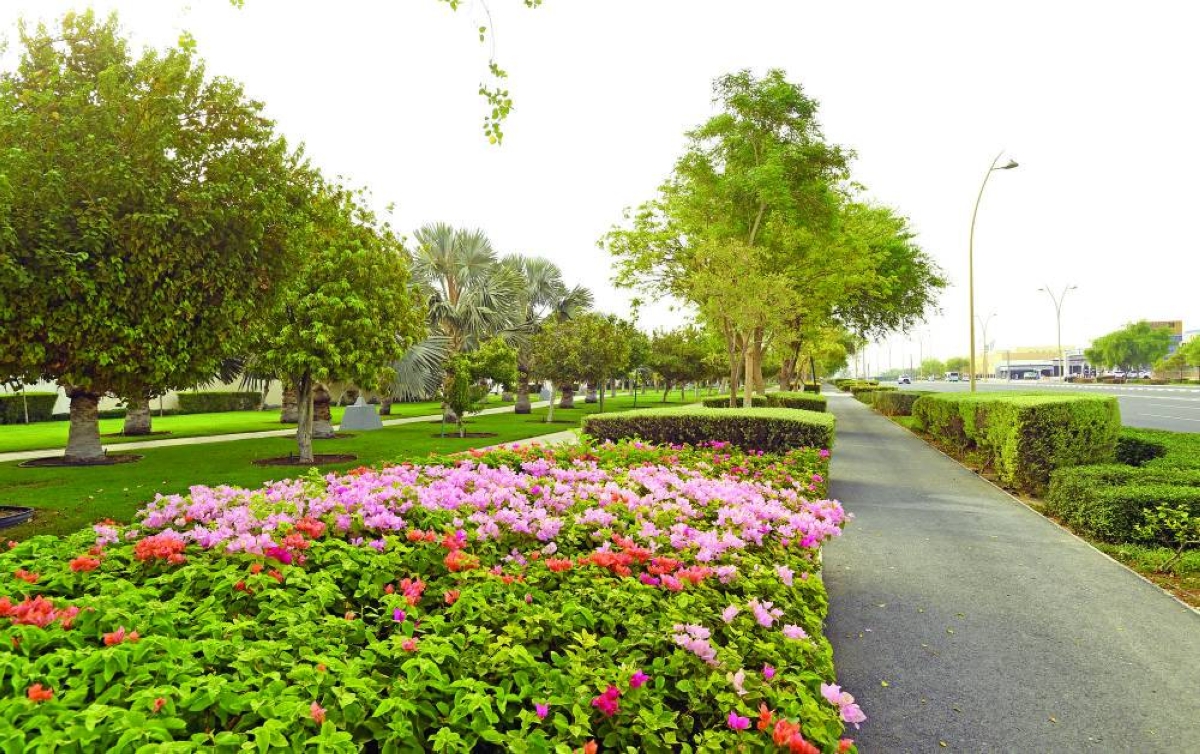
Qatar's environmental experts have emphasized the importance of selecting native species and providing sustained care in the country's tree-planting drive. The success of these initiatives depends on more than just planting more trees; rather, it hinges on choosing climate-resilient species, properly maintaining them, and ensuring community participation.
The Ministry of Environment and Climate Change's program to rehabilitate Qatar's natural meadows involves cultivating local tree seedlings and reintroducing them into natural habitats while monitoring their growth. This initiative is part of the country's broader 10mn Trees Initiative, which aims to plant 10 million trees by 2030.
The program seeks to enhance green areas, improve air quality, increase biodiversity, reduce greenhouse gas emissions, and promote the use of treated wastewater for irrigation. By building on Qatar's earlier One million Tree Initiative, which was completed in 2022, the 10-million-tree programme marks a significant expansion of the nation's greening ambitions.
Given Qatar's limited rainfall and harsh summer conditions, environmental researcher Ali al-Hanzab stressed that the ministry's efforts to propagate and restore native trees and shrubs are crucial. With water scarcity posing a significant challenge, species selection becomes critical. Native species that can withstand heat and limited water should remain central to afforestation projects.
Dr Latifa al-Nuaimi, a professor at Qatar University, highlighted the importance of trees in creating a healthy urban environment. She urged authorities and contractors to reconsider heavy pruning, as excessive pruning can hinder tree growth and reduce canopy density. Instead, trees should be allowed to develop naturally, increasing shade and their environmental benefits.
Dr Mohamed al-Sheyab added that trees contribute to climate mitigation by absorbing carbon dioxide and storing carbon in their biomass. While expanding tree cover supports cleaner air, ecosystem stability, and biodiversity, it should be viewed as part of a broader emissions-reduction strategy rather than a substitute for cutting greenhouse gas emissions at the source.
Mohamed al-Jaidah, another environmental expert, emphasized the importance of using locally adapted trees, such as sidra, ghaf, and Prickly acacia, which are better suited to Qatar's climate and water constraints. These native trees offer advantages, including greater tolerance to heat and water scarcity, longer lifespans, and potentially lower maintenance requirements.
Written by urgent.news from Gulf Times's reporting — not their text. Machine-written — may contain errors; check the original before relying on it.