Trump is trying to tighten the screws on an Iran numb to economic pain
Iran, already drained by years of sanctions and a brutal military onslaught from the United States and Israel, now faces another test as President Donald Trump moves to further tighten the economic screws on the Islamic Republic. The US is preparing measures, to be revealed at a news conference later on Monday, of what Treasury … The post Trump is trying to tighten the screws on an Iran numb to…
President Donald Trump is taking steps to further tighten the economic restrictions on Iran, in retaliation for the ongoing six-month war and the nation's continued disruption of global shipping through the critical Strait of Hormuz. Treasury Secretary Scott Bessent has claimed that these new sanctions will be the "toughest in history" as diplomatic talks to end the conflict remain stalled.
Iranian President Masoud Pezeshkian has admitted to the strain, stating that his government is "seeking with all our being to steer inflation, public problems, people’s livelihoods, people’s jobs, people’s future, and people’s lives towards dignity and pride."
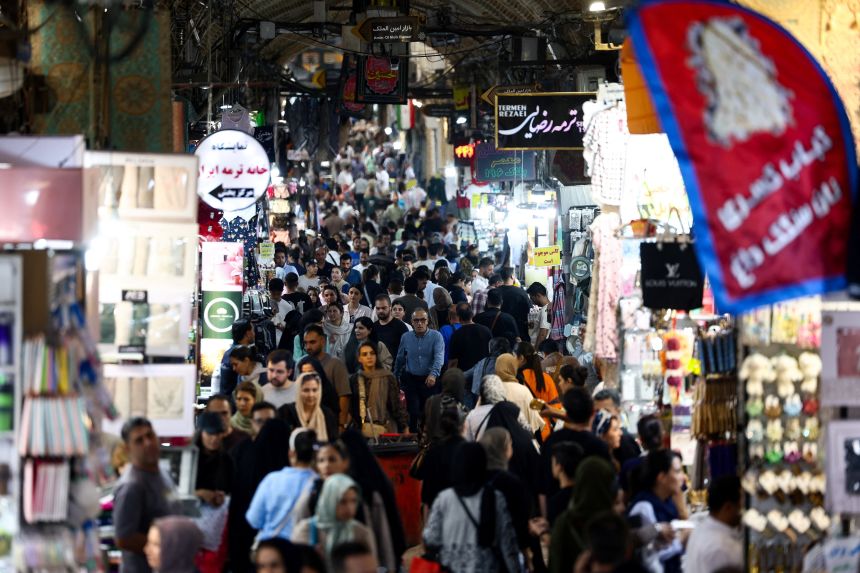
Reports from social media have captured the impact of these economic pressures, with pictures showing empty markets in Tehran and Karaj, as well as sellers lamenting the lack of sales for their fresh produce. Iranians, like 36-year-old resident Nima, are finding the economic situation "untenable," with expensive goods and even some essential medications becoming scarce.
A small shop owner, who wished to remain anonymous, admitted to struggling to make ends meet and had to raise prices on both foreign and Iranian-made products.
Despite the mounting economic strain, analysts predict that Iran will likely continue to evade the sanctions through their well-established network of front companies, brokers, and a shadow tanker fleet. In recent years, the Islamic Republic has invested in sophisticated methods to mitigate the effects of Western sanctions, with $9 billion in shadow banking activity taking place through US correspondent accounts in 2024, according to the US Financial Crimes Enforcement Network.
This network includes shell companies in countries such as the United Arab Emirates, Hong Kong, and Singapore, and transactions are often conducted in Chinese yuan or outside the traditional dollar-based banking system.
Although the new sanctions may weaken Iran's economy, military capabilities, and ability to support regional allies, experts believe that ordinary Iranians will be the primary victims. Majid Asgaripour/WANA News Agency/Reuters notes that the rial will likely weaken, inflation will increase, the cost of imported goods and industrial inputs will rise, and household purchasing power will decrease.
However, Iran's history of resilience in the face of sanctions suggests that the government will adapt and find new ways to generate income, potentially leaving the general population to bear the brunt of these economic hardships.
Written by urgent.news from Egypt Independent's reporting — not their text. Machine-written — may contain errors; check the original before relying on it.
This story
This is one outlet's version. Read the fullest account.
- Bessent doubles down on Trump warnings: 'Entering the endgame' on Iran thehill.com
- Oil falls as Iran allows Iraqi tankers through Hormuz, easing supply concerns hellenicshippingnews.com
- Oil falls as Trump pledges economic war on Iran punchng.com
- World awaits Iran's response to Trump's "economic D-Day" sanctions cbsnews.com
- U.S. to detail new economic pressures on Iran. And, Canada to impose tariffs on U.S. npr.org
- Oil falls as Trump pledges economic war on Iran freemalaysiatoday.com
- Oil falls as Trump pledges economic war on Iran channelnewsasia.com
- Iran hits back at US ‘economic D-Day’, questions claims of military victory malaymail.com