Oil falls as Trump pledges economic war on Iran
Investors await details of a US plan as Washington warns allies and China to join the campaign as the war nears six months.
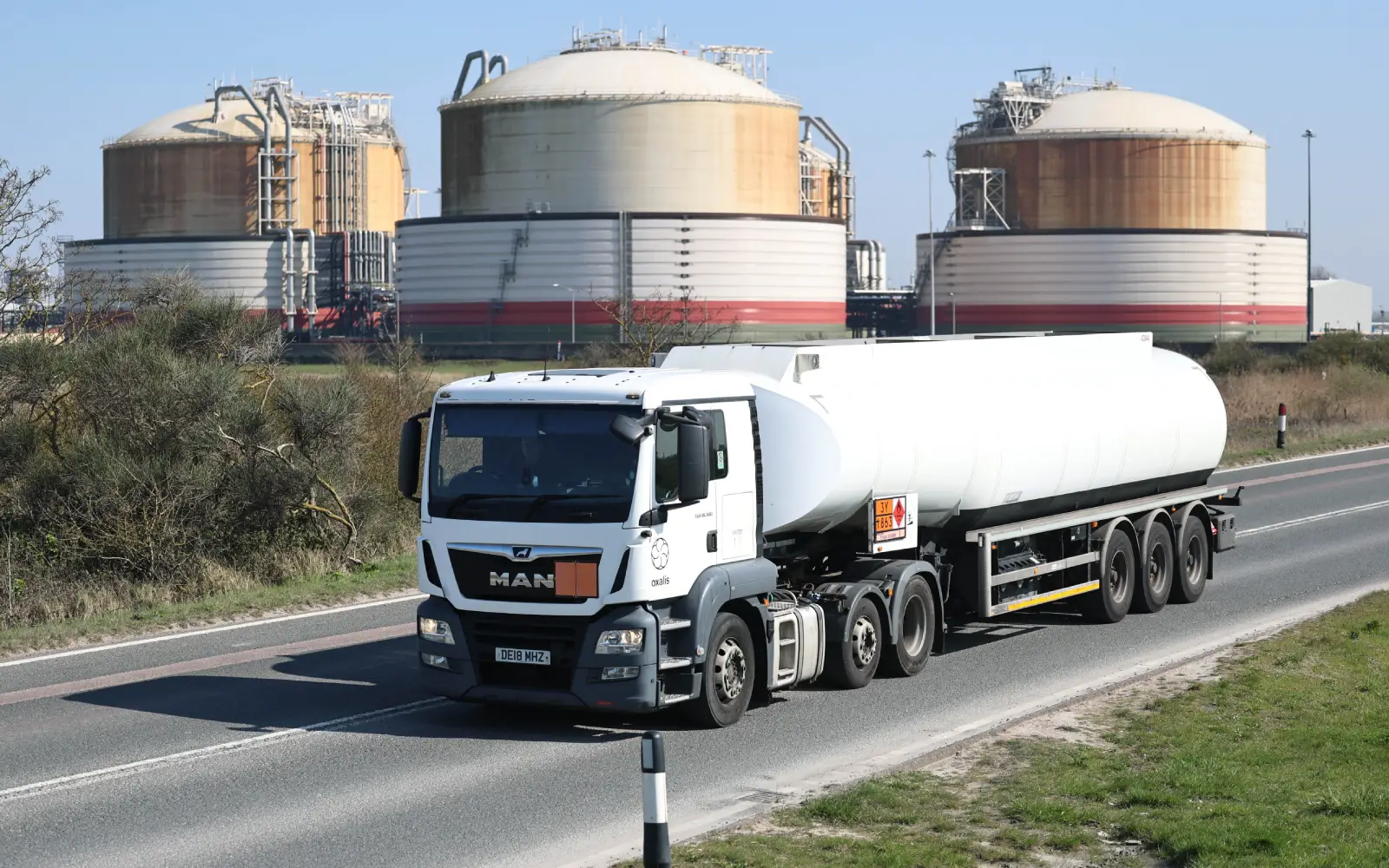
Oil prices declined on Monday as investors anticipated the details of a plan by the United States to isolate Iran's economy, which President Donald Trump referred to as the most severe financial operation against Tehran. Hong Kong's Asian stocks experienced a general downturn in early trading, with South Korea's tech-intensive Kospi index falling by 1.4%.
This decline was triggered by Samsung Electronics' substantial US$80 billion share buyback following weeks of market turbulence. Samsung's shares, alongside those of its rival SK hynix, peaked in June due to optimism surrounding the artificial intelligence boom, but have since experienced a decline stemming from investor concerns and a wider tech slump.
The focus of investors during this crucial week for artificial intelligence revolves around Nvidia, the world's most valuable company and a key indicator for the sector. Analysts question whether the AI boom will persist as the technology permeates various aspects of the broader economy. In this context, Stephen Innes of SPI Asset Management noted that the US chip maker must demonstrate that its most expensive investment boom in modern market history can still generate profits.
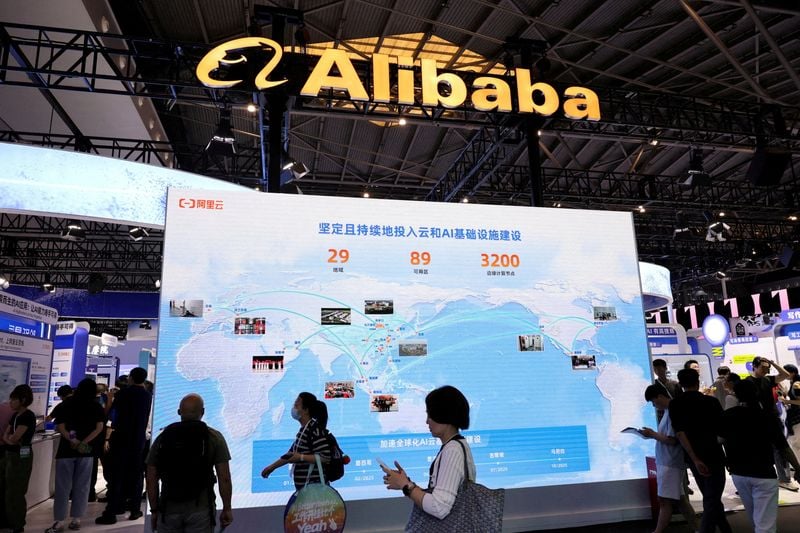
Similarly, Chinese tech giant Alibaba announced its plan to issue US$10.2 billion in new shares in Hong Kong to finance its global AI initiatives, prompting investors to scrutinize the company's strategy for monetizing its substantial AI investments.
Meanwhile, the US Treasury Secretary, Scott Bessent, is scheduled to provide further details in a press conference on Monday about a new effort to intensify economic pressure on Iran. The United States has urged allies and China to participate in this campaign, which unfolds as the unpopular war in the Middle East enters its six-month phase.
Vice President JD Vance acknowledged that the plan would involve a delicate balancing act, as Iran seeks to exert economic pressure on the United States. When asked whether the US would pressure China, Bessent stated that many discussions are better conducted privately, but he called upon Beijing to join the initiative.
The primary crude contracts witnessed a decline of 2.3%, with the Brent benchmark settling at US$92 per barrel. Traders will also closely monitor this week's annual gathering of central bankers, economists, and finance chiefs in Jackson Hole, Wyoming, United States. The meeting aims to provide clarity on the US monetary policy, which has been influenced by recent Treasury bond purchases aimed at alleviating borrowing costs.
Following the Treasury's acquisition of its own bonds last week, the 30-year yield surged to levels last observed in 2007, just prior to the global financial crisis. The debt of the United States has surpassed US$40 trillion.
Written by urgent.news from Free Malaysia Today's reporting — not their text. Machine-written — may contain errors; check the original before relying on it.
Also reported by 9 other outlets
- Trump is trying to tighten the screws on an Iran numb to economic pain egyptindependent.com
- Bessent doubles down on Trump warnings: 'Entering the endgame' on Iran thehill.com
- Oil falls as Iran allows Iraqi tankers through Hormuz, easing supply concerns hellenicshippingnews.com
- Oil falls as Trump pledges economic war on Iran punchng.com
- World awaits Iran's response to Trump's "economic D-Day" sanctions cbsnews.com
- U.S. to detail new economic pressures on Iran. And, Canada to impose tariffs on U.S. npr.org
- Oil falls as Trump pledges economic war on Iran freemalaysiatoday.com
- Oil falls as Trump pledges economic war on Iran channelnewsasia.com
- and 1 more