Iran hits back at US ‘economic D-Day’, questions claims of military victory
TEHRAN, Aug 24 — Iran today dismissed Washington’s declaration of a massive economic pressure cam...
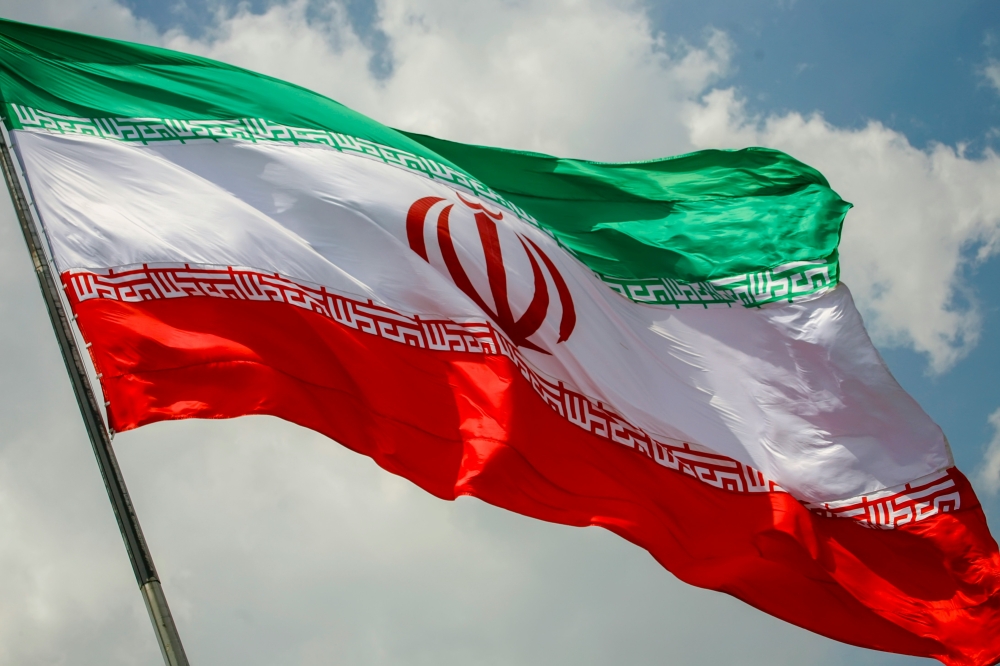
Oil prices plummeted on Monday as indications of improved traffic through the Strait of Hormuz quelled worries about Middle East supply interruptions, with Iran reportedly permitting certain Iraqi oil tankers to traverse the crucial waterway, according to the source. Concurrently, the New York Post disclosed a significant surge in shipping activity through Hormuz over the past fortnight, though the cross-traffic still trailed far behind pre-war levels.
Crude was riding high on gains from last week, and seemed primed for further upward momentum as the U.S. prepared to enforce even more stringent economic sanctions on Iran—a move that would exacerbate further disruptions in Middle Eastern oil supplies. As of 04:32 ET (08:32 GMT), Brent Oil Futures dipped 1.3% to $93.16 a barrel, while WTI/USD plummeted 1.9% to $85.42 a barrel.
Both Brent and WTI had surged more than 5% over the last fortnight. U.S. Treasury Secretary Scott Bessent vowed a "economic D-Day" for Iran; Tehran cautioned of additional oil hardships. The U.S. announced its most stringent sanctions yet against Iran on Monday, with Treasury Secretary Scott Bessent stating in a Financial Times opinion piece that an "economic D-Day" was imminent for Iran.
Bessent's remarks followed several U.S. officials, including President Donald Trump, warning of economic warfare against the country, as the ongoing standoff in the Strait of Hormuz and surrounding regions displayed scant signs of abating. Bessent, set to unveil the new sanctions against Iran in a press conference at 14:00 ET (18:00 GMT) on Monday, was expected to enact the penalties during the event.
Iranian National Security Council Secretary Mohsen Rezaee declared that "not a single drop of oil will be exported" through Hormuz or "any part of the Persian Gulf" if the economic war persisted. Iranian officials also warned neighboring Gulf nations against collaborating with the United States. Iran had reportedly permitted some Iraqi oil tankers to pass through Hormuz over the weekend, following repeated requests from Baghdad, though the exact count and volume of ships were not immediately disclosed.
The move signified a glimmer of traffic through Hormuz after the waterway had been largely sealed by Iran since the onset of U.S. aggression in February. Commercial shipping through Hormuz had ground to a halt last week, as the U.S.-Iran standoff demonstrated little sign of resolution. Tehran had kept the waterway effectively shut in response to U.S. hostilities.
Hormuz had become a flashpoint in the ongoing conflict, having once facilitated about 20% of the global oil supply prior to the U.S.-Iran war. Markets anticipated more disruptions in the region following the U.S. flagging a protracted conflict with Iran. However, the conflict was also poised to engulf other regions, notably the Red Sea, after Yemen's Iran-backed Houthi Group announced a naval blockade against Saudi Arabia.
Written by urgent.news from Hellenic Shipping News's reporting — not their text. Machine-written — may contain errors; check the original before relying on it.
This story
This is one outlet's version. Read the fullest account.
- Trump is trying to tighten the screws on an Iran numb to economic pain egyptindependent.com
- Bessent doubles down on Trump warnings: 'Entering the endgame' on Iran thehill.com
- Oil falls as Iran allows Iraqi tankers through Hormuz, easing supply concerns hellenicshippingnews.com
- Oil falls as Trump pledges economic war on Iran punchng.com
- World awaits Iran's response to Trump's "economic D-Day" sanctions cbsnews.com
- U.S. to detail new economic pressures on Iran. And, Canada to impose tariffs on U.S. npr.org
- Oil falls as Trump pledges economic war on Iran freemalaysiatoday.com
- Oil falls as Trump pledges economic war on Iran channelnewsasia.com