Shigellosis cases open up a new AMR challenge in Keralam
Data from Kerala Antimicrobial Resistance Surveillance Network says that the resistance profile of primary antibiotics used to treat the infection is growing
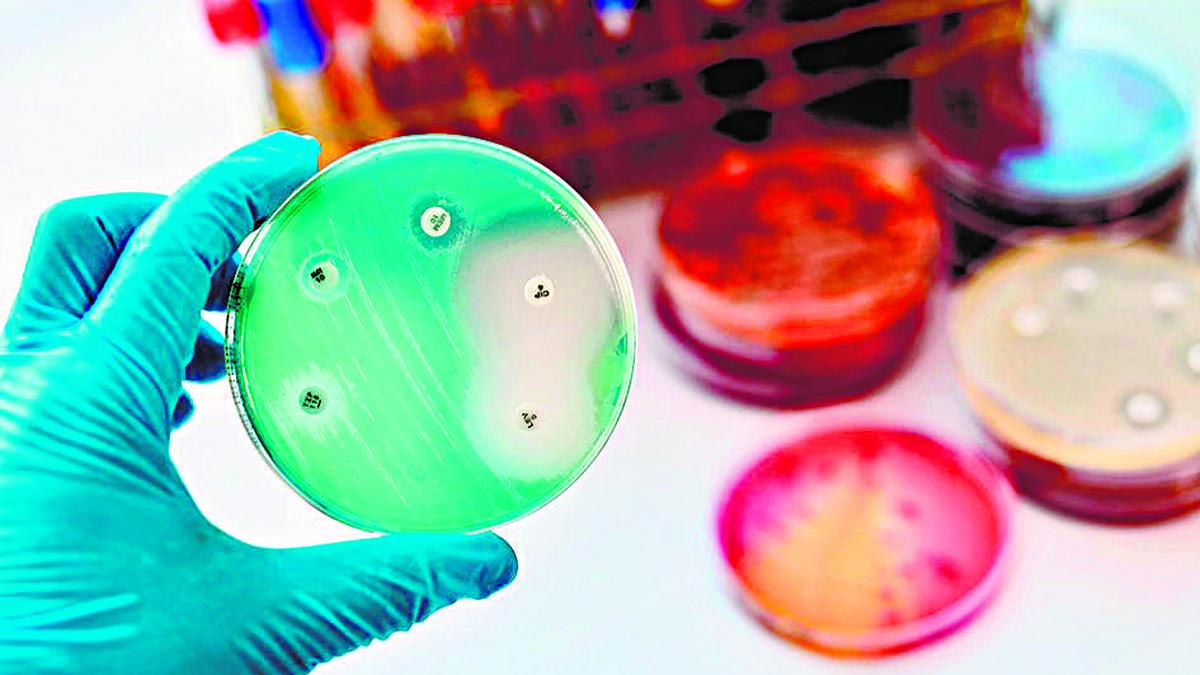
Antimicrobial resistance (AMR) is expanding beyond hospital-acquired infections, becoming a concern for primary antibiotic treatments for even simple diseases like Shigellosis, according to clinicians in Keralam. Data from the Kerala Antimicrobial Resistance Surveillance Network (KARS-NET) reveals a concerning 96% resistance to ciprofloxacin, a key treatment for Shigellosis, and a 36% resistance to ceftriaxone, the next available drug.
R. Aravind, head of infectious diseases at Government Medical College, Thiruvananthapuram, and convener of KARS-Net, warns that this growing resistance significantly impacts antibiotic use in the State. Shigellosis, often self-limiting, can cause severe complications in vulnerable populations, necessitating antibiotic use in such cases.
With ceftriaxone losing efficacy for severe infections, clinicians are forced to resort to high-end drugs like carbapenem, considered last-resort antibiotics. The recent June outbreak in Kozhikode, Malappuram, and Wayanad districts, with 225 cases and six deaths, highlights the urgency of addressing AMR. This comes amid Keralam's documented cases of multidrug-resistant Shigella and ESBL-producing strains since 2018, signaling the emergence of Ceftriaxone resistance.
The implications of AMR include more treatment failures, prolonged hospital stays, increased costs, and the potential for new drug-resistant pathogens to emerge in the community.
Written by urgent.news from The Hindu - Sci-Tech's reporting — not their text. Machine-written — may contain errors; check the original before relying on it.
This story
This is one outlet's version. Read the fullest account.