Researchers dodge crocs to probe coral bleaching after technology failed
Researchers confirm a 2024 coral bleaching event in remote, crocodile-inhabited Northern Territory waters was not picked up by the latest predictive technologies.
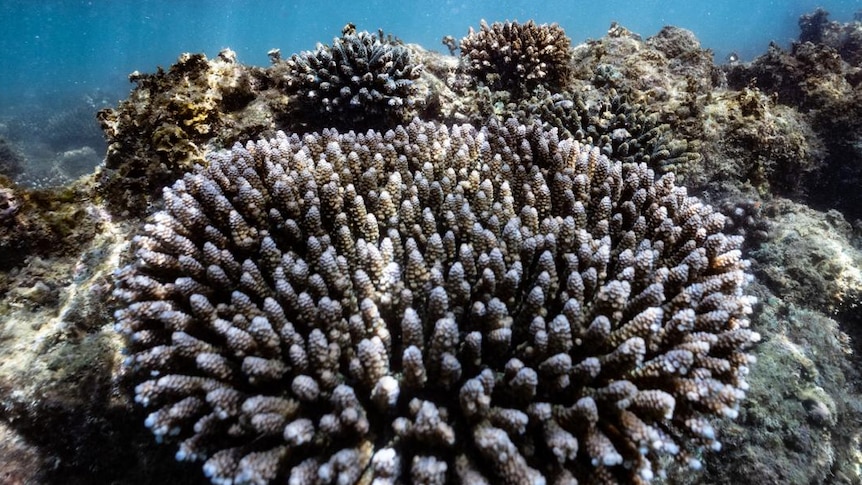
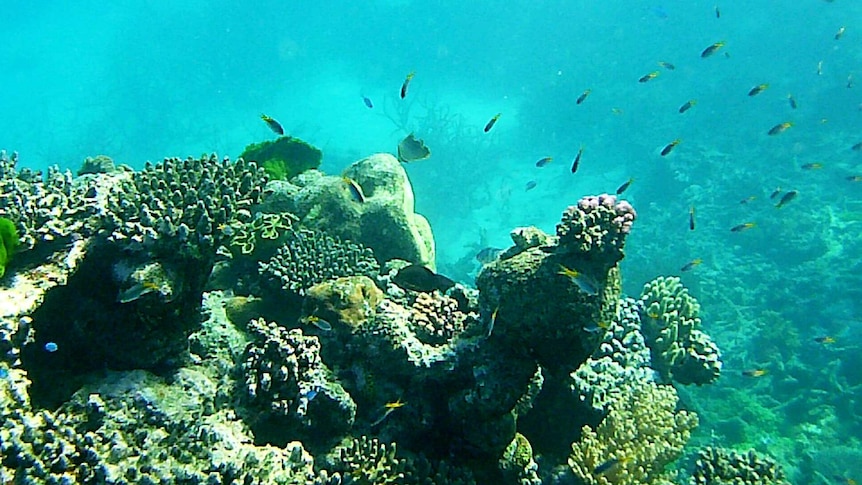
A research expedition off the coast of Groote Eylandt, Australia, has revealed that new technology failed to predict a coral bleaching event in 2024. This marks the first comprehensive study of the reef, establishing a baseline for monitoring its health going forward. While investigating the bleaching, Anindilyakwa Land and Sea Rangers alerted researchers from the University of Technology Sydney (UTS) to the coral's color loss in 2024.
The underwater system was the first of its kind to map the reef, confirming the rangers' suspicions and revealing the importance of on-the-ground knowledge for accurate assessments.
Study leader Emma Camp explained that global predictive models for coral bleaching failed to anticipate the 2024 event in Groote Eylandt. The discrepancy highlights the need for ongoing reef mapping and further investigation into the limitations of current technology. The project was conducted with the Anindilyakwa rangers, marking the first in-depth recording of the coastal reef system in the region.
Anindilyakwa Land Council's Kirsten Eden noted the unique challenges of navigating the Northern Territory's waters, which include crocodiles, stingers, and unpredictable weather conditions. These factors necessitated a complex operation involving drones, boat spotters, and careful navigation to reach the reefs safely.
The expedition also documented a variety of unrecognised coral species, with further research underway to identify them and determine if they are new discoveries. Anindilyakwa Ranger Kirsten Eden expressed optimism that this discovery would lead to a better understanding of the region's biodiversity. Additionally, the coral bleaching occurred during Tropical Cyclone Megan's passage off the coast of Groote Eylandt in 2024.
The cyclone caused significant damage to local vegetation and the wharf, demonstrating the reef's vulnerability to extreme weather events. While reefs play a crucial role in protecting shorelines from coastal erosion, they can suffer substantial harm when subjected to powerful cyclones, as observed in this case.
Written by urgent.news from ABC News AU's reporting — not their text. Machine-written — may contain errors; check the original before relying on it.