Mumbai knows where landslide risks are. It still can’t move the people
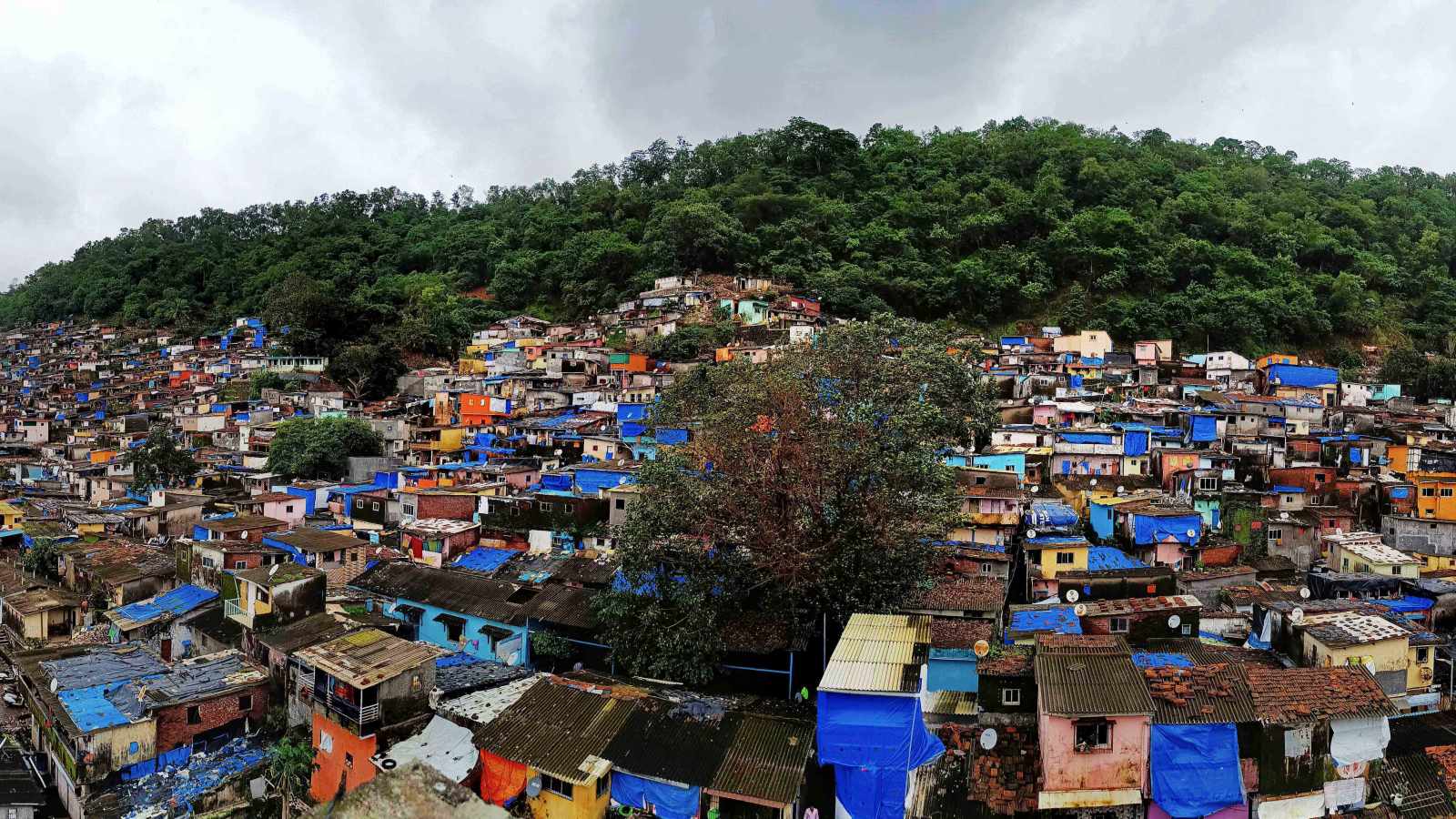
Mumbai is acutely aware of landslide risks, yet residents continue to inhabit hazardous areas. In August 2021, eight individuals were killed when a section of Kurla's Hill Number 3 collapsed onto four shanties. A month earlier, six people, including five minors, died when a four-story structure in Mankhurd collapsed onto adjacent shanties. Both incidents were preceded by warnings from the Brihanmumbai Municipal Corporation (BMC) to vacate due to safety concerns, yet the inhabitants remained.
The recurring pattern has been evident since July 2021, when 29 people perished in landslides in Vikhroli and Chembur. A 2021 report by the Geological Survey of India (GSI) had identified 45 highly vulnerable, inhabited landslide-prone locations across Mumbai. Despite this, no systematic system has been established to make residents safer or relocate them.
The question remains: why do people continue to live in dangerous locations when a city has mapped them? The answer lies in the city's inability to provide a comprehensive evacuation plan.
Written by urgent.news from The Indian Express's reporting — not their text. Machine-written — may contain errors; check the original before relying on it.