Medication and blood sugar: Why same drug can affect people’s glucose levels differently
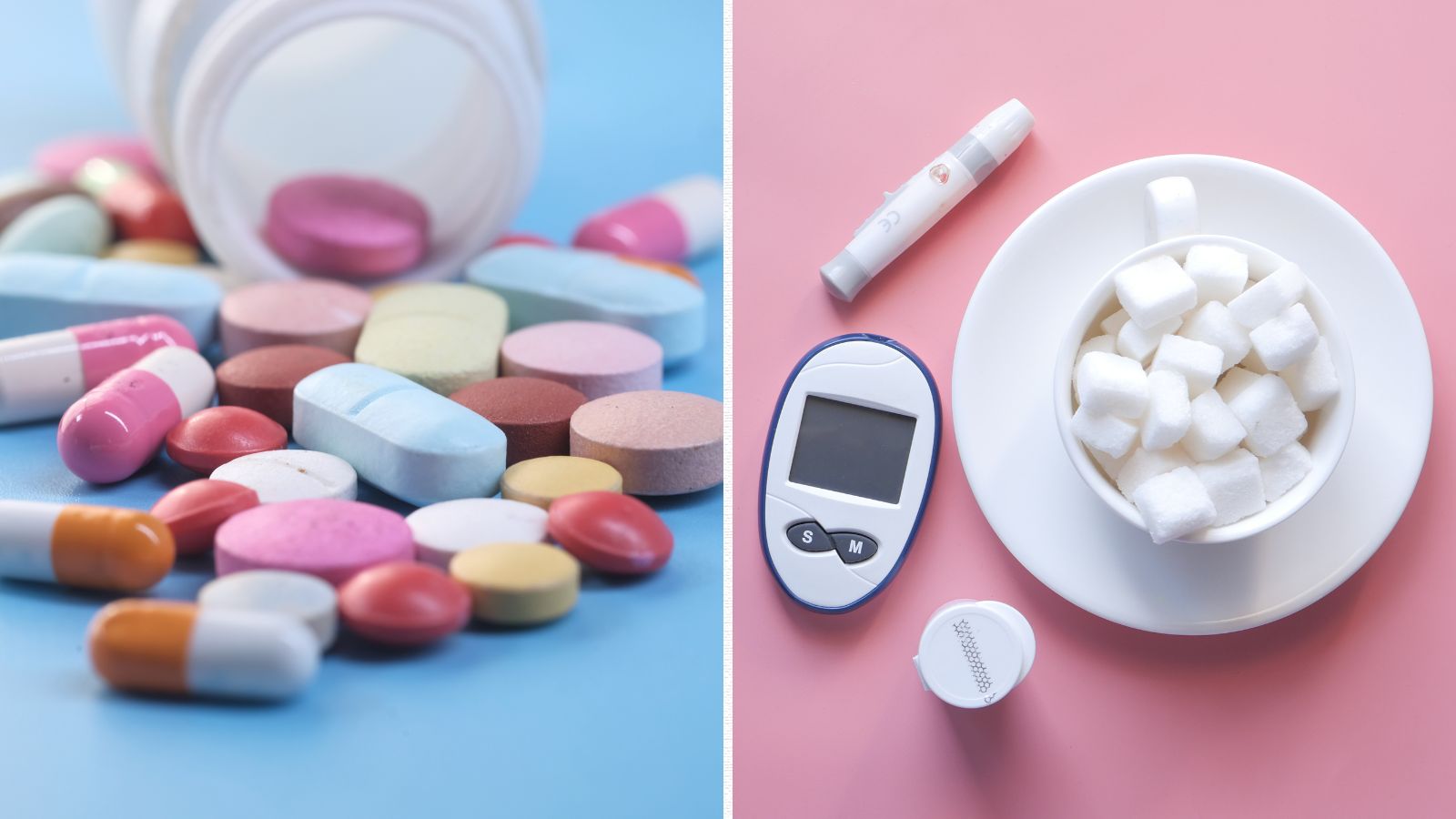
Blood sugar response to medication can differ greatly among individuals, despite taking the same dosage. This variability is influenced by a multitude of factors such as genetic makeup, age, body composition, kidney and liver function, diet, concurrent medications, and metabolic health. The manner in which a drug is taken – whether with food and at what time – also plays a significant role in its impact on blood glucose levels.
Expert Kanikka Malhotra, a consultant dietician and certified diabetes educator, elucidates that the human body processes medications uniquely, owing to genetic variations influencing liver enzymes. Consequently, the same pill may remain active for longer periods in one person compared to another. Additionally, individuals with higher body fat levels, particularly around the abdomen, exhibit greater insulin resistance, leading to more pronounced blood sugar fluctuations with the same medication.
The efficiency of the pancreas in producing insulin is another crucial determinant. Some people may possess insufficient insulin reserves, even without a formal diabetes diagnosis, making them more susceptible to blood sugar swings when additional stress is placed on their system via medication. Intriguingly, gut bacteria also contribute to medication absorption, further complicating the picture.
Moreover, the timing of medication intake matters. Blood sugar regulation differs between morning and evening, implying that the same dose can behave differently depending on when it is administered. Interactions among multiple medications can exacerbate these variations, as one drug may obscure the warning signs of hypoglycemia induced by another.
When a new medication alters blood sugar levels, it is imperative to adopt a proactive approach. Recording glucose readings, medication timing, dietary habits, stress levels, and symptoms can provide valuable insights for healthcare professionals. While minor fluctuations are typically benign, persistent issues such as consistently high (above 250 mg/dL) or low (below 70 mg/dL) blood sugar, coupled with symptoms like confusion, rapid heartbeat, excessive thirst, or severe fatigue, necessitate medical attention.
It is paramount never to alter medication dosages independently, particularly for insulin or other diabetes medications. Consulting with a healthcare provider before making any changes is non-negotiable, as abrupt modifications can have dire consequences.
Written by urgent.news from The Indian Express - Lifestyle's reporting — not their text. Machine-written — may contain errors; check the original before relying on it.
This story
This is one outlet's version. Read the fullest account.