Medication and blood sugar: Why same drug can affect people’s glucose levels differently
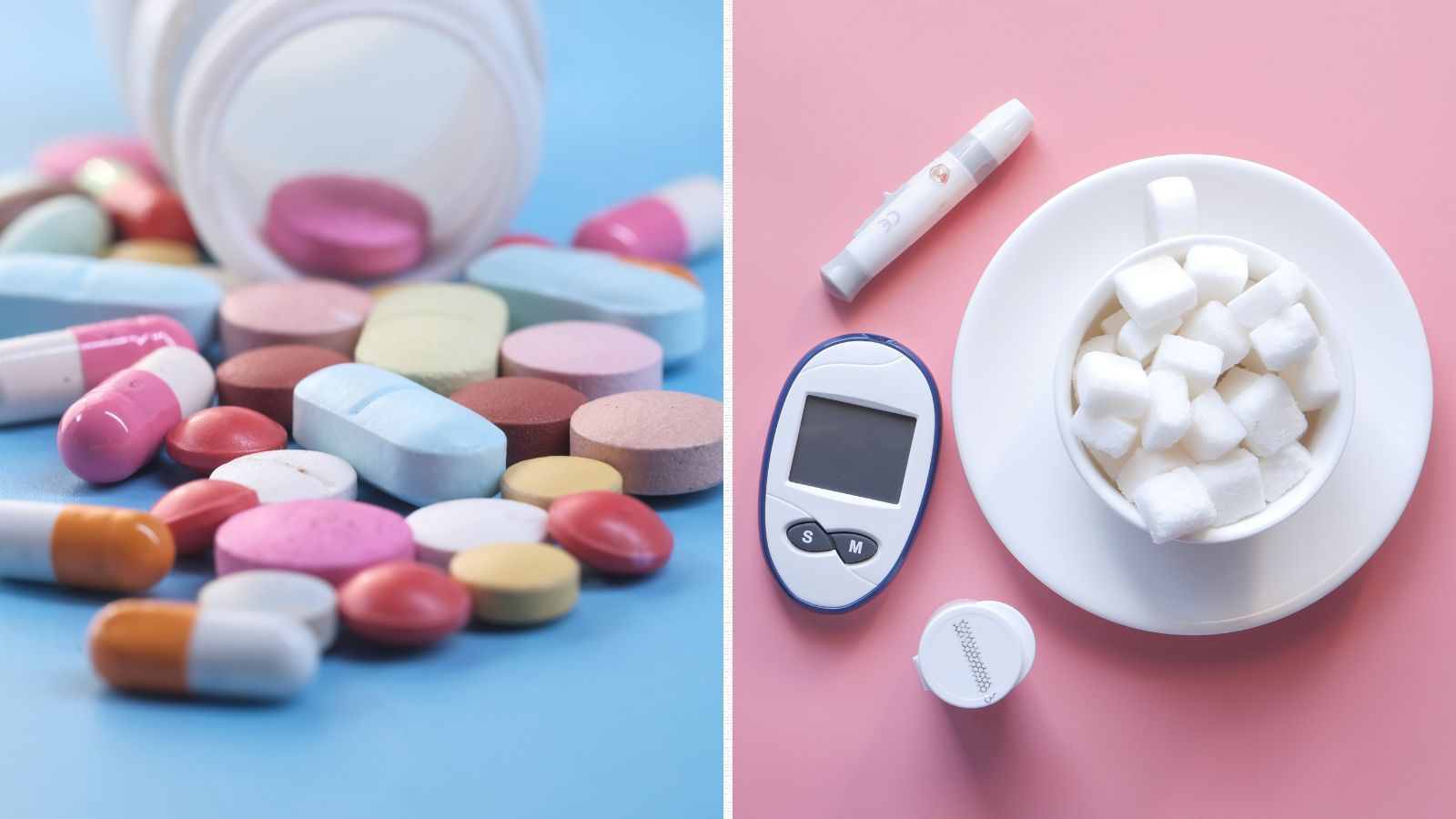
Medications can influence blood sugar levels in inconsistent ways among individuals taking the same dosage. This unpredictability is crucial for those monitoring their glucose levels or using medications that affect glucose metabolism. Several factors come into play, such as genetics, age, body composition, kidney and liver function, diet, other medications, and metabolic health. The timing of medication intake and whether it's taken with food also matter.
Kanikka Malhotra, a consultant dietician and certified diabetes educator, explains that each person processes medications uniquely, affecting blood sugar. Genetic variations in liver enzymes causing faster or slower drug breakdown contribute to this variability. Body fat distribution also plays a role, with people carrying more belly fat being more insulin-resistant, leading to higher blood sugar increases from medications that mildly raise glucose.
The effectiveness of the pancreas in producing insulin is another critical factor. Some individuals may have an unrecognized reduced insulin reserve, leading to more pronounced blood sugar fluctuations when additional stress is added by a medication. Even gut bacteria can impact drug absorption, and the timing of medication intake can influence glucose levels—blood sugar handling differs between morning and evening.
Certain medications, like steroids, specific diuretics, antipsychotics, and beta blockers, can raise blood sugar, while insulin, diabetes pills such as sulfonylureas, and certain antibiotics can lower it. Kidney and liver function are also vital, as these organs clear medications from the body. Slower functioning can prolong drug presence and intensify its blood sugar effect.
Genetics can also affect how much of a drug enters cells, not just its concentration in the blood. Diet plays a role too; a heavy, fatty meal can slow digestion and alter the speed at which diabetes medication works. Combining multiple medications can be risky, as one drug might mask the signs of low blood sugar caused by another. The timing of doses relative to meals and the body’s natural rhythms can also impact blood sugar levels.
If a new medication alters blood sugar, tracking glucose readings, medication timing, meals, stress, and symptoms is essential. Sharing this pattern with a doctor can help identify any issues. While minor fluctuations are usually harmless, persistent high or low blood sugar levels, or symptoms like confusion, shakiness, excessive thirst, or extreme fatigue, warrant medical attention. Never adjust medication doses independently, especially insulin or other diabetes medications. Always consult a healthcare provider.
Written by urgent.news from The Indian Express's reporting — not their text. Machine-written — may contain errors; check the original before relying on it.